
Activating the Vision: How 2SLGBTQIA+ Inclusion is Key to Leading Tourism for Good

Credit: Destination Canada
For Banff National Park, the path forward is clear. The destination’s 10-year vision, Lead Tourism for Good, created in partnership with Parks Canada, the Town of Banff, and over 2,000 community members, provides a comprehensive roadmap for a sustainable future. It is a commitment to balancing a thriving economy with environmental stewardship and community wellbeing. The vision is not a static document; it is a call to action. This analysis explores how a focused commitment to 2SLGBTQIA+ inclusion is not an addition to this vision, but a critical and powerful way to activate its core principles and secure a competitive edge for the destination.
The Modern Traveler and the Mandate for Inclusion
A fundamental shift in traveler expectations is reshaping the global tourism landscape. Today's visitors, particularly younger demographics, are making conscious choices, prioritizing destinations that align with their personal values . They want to know that the places they visit stand for something beyond a beautiful view. For the 2SLGBTQIA+ community, this is not an abstract concept. Safety and a sense of belonging are paramount, with research showing that 50% of 2SLGBTQIA+ travelers rank the safety and political climate of a destination as a primary factor in their travel decisions .
The business case is equally clear. The global 2SLGBTQIA+ travel market is valued at over $200 billion annually, and in Canada, these travelers spend an average of $1,855 per trip, seven times more than the general traveling public . This is a loyal, resilient, and high-spending market segment. For a destination like Banff to capture it, a passive welcome is not enough. It requires an authentic, structural commitment to inclusion that is visible at every touchpoint, from the first online search to the last day on the trail.
Inclusion as a Direct Path to “Leading Tourism for Good”

Credit: Travel Alberta / Paul Zizka @paulzizkaphoto
The “Lead Tourism for Good” vision is built on five strategic pillars, or Trails to Tomorrow. A focus on 2SLGBTQIA+ inclusion is not a separate path but a vehicle that accelerates progress along each of these established trails.
Trail 1: Community Wellbeing
The strategy’s stated objective is to “empower a thriving, vibrant, inclusive and accessible community with a high quality of life and appealing opportunities to build a career.” This pillar contains the vision’s most direct mandate for this work, with a specific strategy to “Advance diversity, inclusion and social equity within our tourism workforce.”
By creating a truly inclusive environment, Banff and the Bow Valley can become a magnet for talent in a highly competitive labor market. This addresses critical workforce shortages and ensures the high-quality service that underpins the destination’s reputation. Furthermore, the strategy calls for “creating safe spaces to live, work and play,” a goal that is directly met by fostering a community where 2SLGBTQIA+ individuals are safe and celebrated.
Trail 2: Visitor Experience
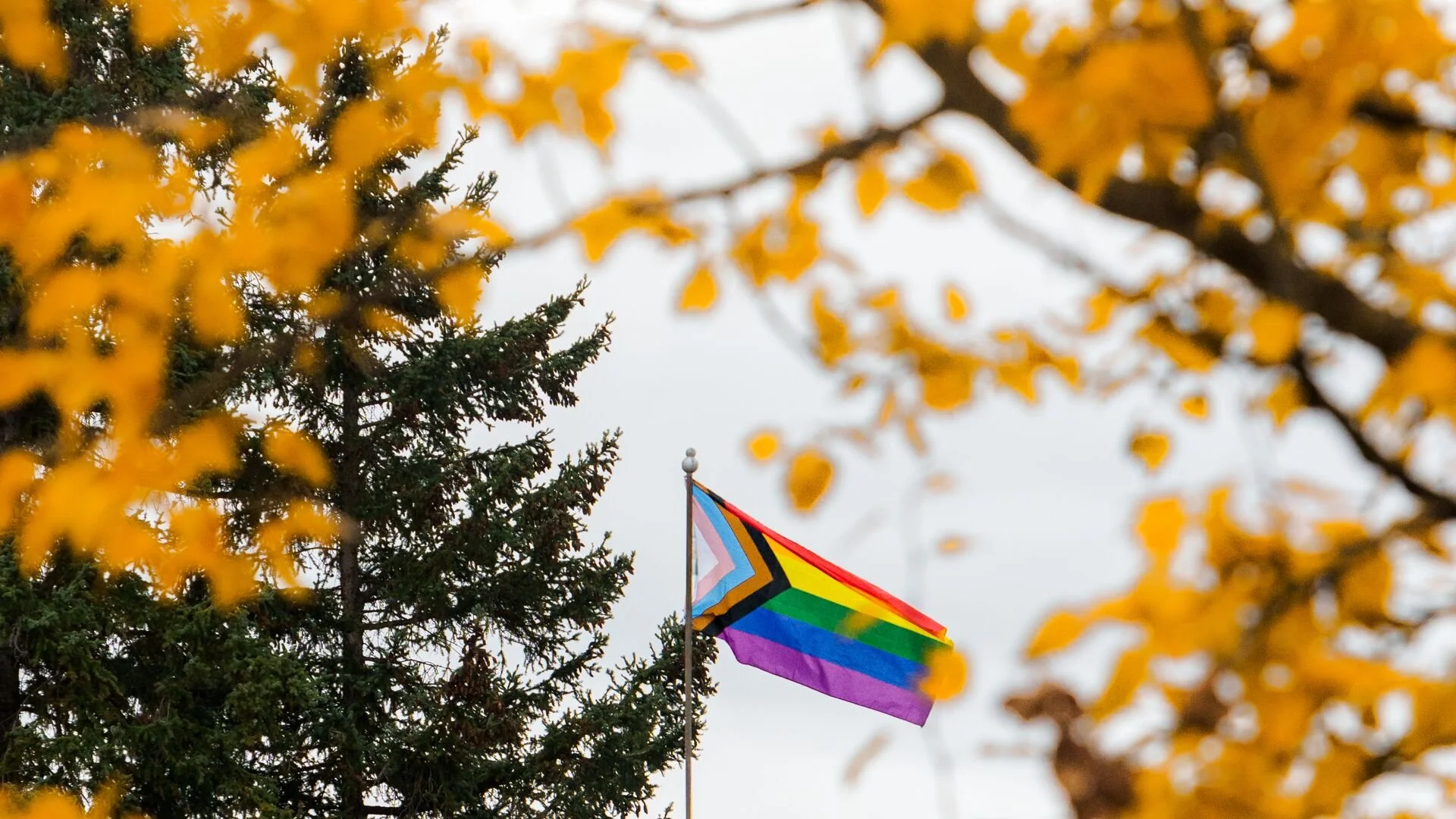
This pillar aims to “welcome and inspire everyone to take part” and explicitly includes a strategy to “support the removal of barriers to ensure a positive, accessible and inclusive visitor experience for everyone.” While physical accessibility is crucial, social and emotional barriers are just as significant. For an 2SLGBTQIA+ traveler, the fear of discrimination or feeling unwelcome is a major barrier. Proactive inclusion through representative marketing, staff training, and visible signals of safety like the Rainbow Registered accreditation directly removes these barriers, fulfilling a core objective of the vision.
Trail 3: Indigenous Connections
The vision champions Indigenous tourism as “reconciliation in action.” A deep and authentic approach to this pillar requires an understanding of intersectionality. By actively creating space for and elevating the voices of Two-Spirit and Indigiqueer artists, guides, and community members, the destination can ensure its reconciliation efforts are themselves inclusive, enriching the cultural fabric for all visitors and residents.
Learning from Global Leaders
Banff and the Bow Valley do not need to start from scratch. Other destinations provide a clear model for this work, and their results are measurable.
Whistler, B.C. is the most directly relevant example. Its Pride and Ski Festival has run for over 30 years, drawing thousands of visitors annually and proving that a mountain resort can create a world-class signature event that is authentic to its character. Madrid, Spain attracts over two million visitors to its annual Pride celebration, generating over €109 million in revenue . The city's success is built not on a marketing campaign, but on a deep foundation of legal protection and a thriving, visible local community. And Fort Lauderdale, Florida demonstrates that a strong, consistent local commitment to inclusion can sustain a $1.5 billion 2SLGBTQIA+ tourism economy even when the broader political climate is hostile .
From Vision to Action
The "Lead Tourism for Good" vision already contains the language, the structure, and the community mandate to make this happen. The strategy explicitly calls for advancing diversity and social equity, removing barriers to inclusion, and creating safe spaces. The foundation is built. The question is no longer whether to act, but how quickly.
By embedding 2SLGBTQIA+ inclusion into the very fabric of this strategy, Banff and the Bow Valley can unlock new economic opportunities, build a more resilient workforce, and cement their status as a global leader in inclusive mountain tourism, a destination that is not just beautiful, but that truly belongs to everyone.












References
[1] WTTC. (2023). Travelling with Pride.
[2] Grand View Research. (2024). North America LGBTQ Tourism Market Size | Report, 2030.
[3] Data Appeal. (2023). More than a rainbow flag: 6 strategies for inclusive destinations.
[4] Travel Alberta. (2023). How Alberta’s Pride organizations create a welcoming environment.
[5] AFAR. (2021). Ft. Lauderdale: Most Welcoming Cities - for LGBTQ+.
[6] MMGY Global. (2023). New Research on American LGBTQ+ Travelers.
[7] Yahoo Life. (2024). Why Madrid Is Considered One Of The Best LGBTQ-Friendly Destinations.