From Ally to Advocate: Empowering Canadian Tourism Operators for 2SLGBTQI+ Inclusion

Photo Credit: Conor Phelan, BLLT
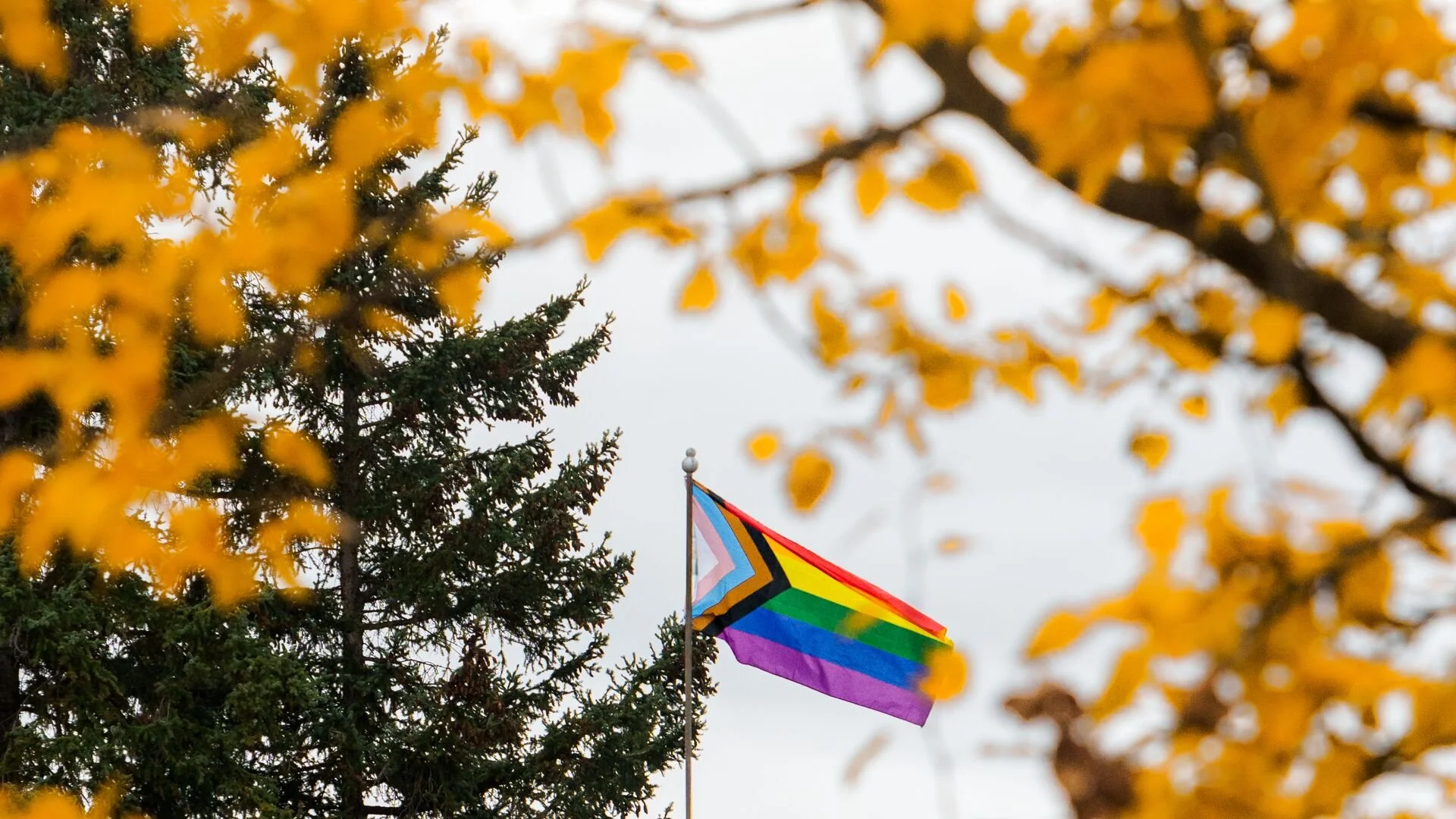
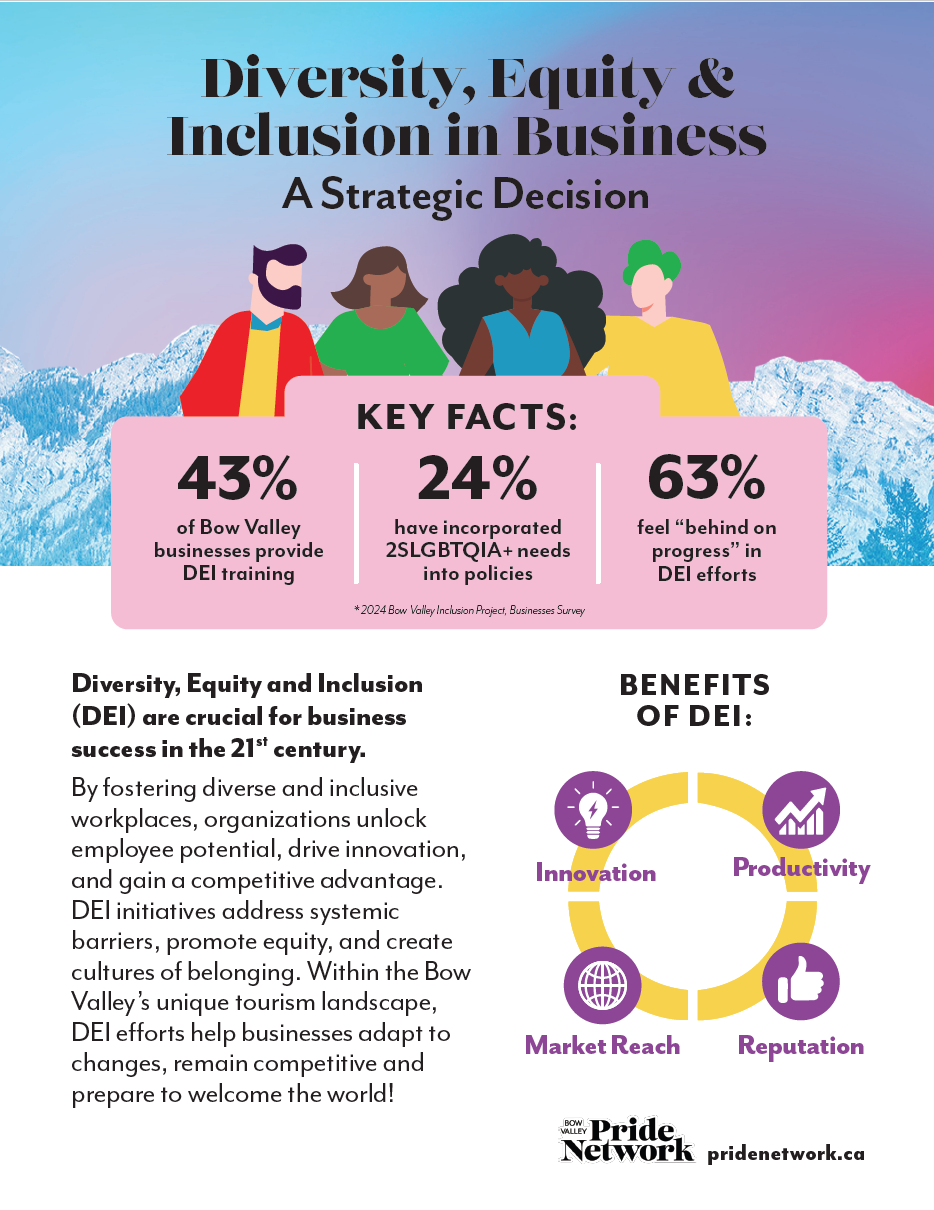
The Canadian tourism landscape is vibrant and diverse, yet for 2SLGBTQIA+ travelers, the promise of a truly welcoming experience isn't always a given. While many businesses proudly display rainbow flags, genuine inclusion goes far beyond symbolic gestures. It requires a proactive shift from passive allyship to active advocacy, embedding diversity, equity, and inclusion (DEI) into the very fabric of operations. This commitment is not only a moral imperative but also a significant economic opportunity, as the 2SLGBTQI+ travel market in Canada alone is valued at over $12 billion annually .
The Untapped Potential:
Why 2SLGBTQI+ Inclusion Matters for Your Business
The numbers speak for themselves: 2SLGBTQI+ travelers are a powerful demographic. They outspend their mainstream counterparts by seven times the average trip expense and demonstrate remarkable resilience, being among the first to rebound after industry shocks . Furthermore, a significant 90% of 2SLGBTQI+ travelers are actively seeking domestic travel opportunities within Canada . This market segment is not just looking for a destination; they are looking for acceptance and safety, with an estimated 80% choosing destinations that are openly LGBTQ+-inclusive and supportive .
However, the benefits extend beyond economic gains. A truly inclusive environment fosters a positive workplace culture, attracting and retaining diverse talent. This is particularly crucial when considering the socioeconomic disparities faced by some gender-diverse individuals in Canada, including higher poverty rates and earnings gaps . By creating supportive workplaces, tourism operators can contribute to broader societal equity while strengthening their own teams.
Common Pitfalls: Avoiding Performative Allyship
Many organizations, with good intentions, fall into common traps that hinder genuine DEI efforts. One significant mistake is performative allyship, where core values around DEI are public-facing only, lacking authentic internal implementation . This can manifest as:
"Having core values around DEI that are public-facing only... [and] failing to understand that DEI is a cultural outcome, not a goal."
Another pitfall is the use of outdated or non-inclusive language , or making U.S.-centric generalizations without proper Canadian context . For operators in rural areas, ignoring the specific challenges and potential for homophobia in these settings can deter 2SLGBTQI+ travelers, who may have experienced microaggressions or felt unsafe . A lack of comprehensive, publicly stated policies on inclusion also signals a lack of genuine commitment .
From Ally to Advocate: Practical Steps for Canadian Tourism Operators
Transitioning from a passive ally to an active advocate requires deliberate action and a commitment to continuous improvement. Here are practical steps Canadian tourism operators can implement today:
1. Invest in Education and Training
Mandatory diversity and inclusion training for all staff is paramount. This training should cover 2SLGBTQI+ inclusive vocabulary, respectful interactions, and understanding the unique needs and concerns of 2SLGBTQI+ travelers and employees. Programs like the "Navigating 2SLGBTQI+ Diversity and Inclusion in the Tourism Industry Workshops" offered by the Canada's 2SLGBTQI+ Chamber of Commerce (CQCC) are excellent starting points .
2. Develop and Publicize Inclusive Policies
Clear, written policies that explicitly protect and welcome 2SLGBTQI+ individuals are essential. These should cover non-discrimination, gender-inclusive facilities (e.g., gender-neutral washrooms), and support for 2SLGBTQI+ employees. Publicly communicating these policies signals a genuine commitment to inclusion .
3. Engage with 2SLGBTQI+ Organizations
Partnering with Canadian 2SLGBTQI+ advocacy groups and chambers of commerce, such as the CQCC or Egale Canada, provides invaluable insights and opportunities. Participation in accreditation programs like the "Rainbow Registered 2SLGBTQI+ Friendly Accreditation Program" can help businesses meet rigorous standards for inclusivity and gain recognition .
4. Authentically Represent and Market
Review marketing materials to ensure they authentically represent the diversity of the 2SLGBTQI+ community, avoiding tokenism. Highlight genuine inclusive practices rather than just symbolic gestures. This means showcasing diverse couples, families, and individuals in promotional content, and ensuring your messaging resonates with the community's values .
5. Address Rural Specifics with Care
For operators in rural or small-town settings, proactively addressing potential concerns about safety and acceptance is critical. This can involve visible displays of support, partnering with local community groups, and clearly communicating inclusive practices. Understanding that rural areas can present unique challenges, including potential homophobia, allows for targeted strategies to create safer spaces .
6. Foster an Inclusive Workplace Culture
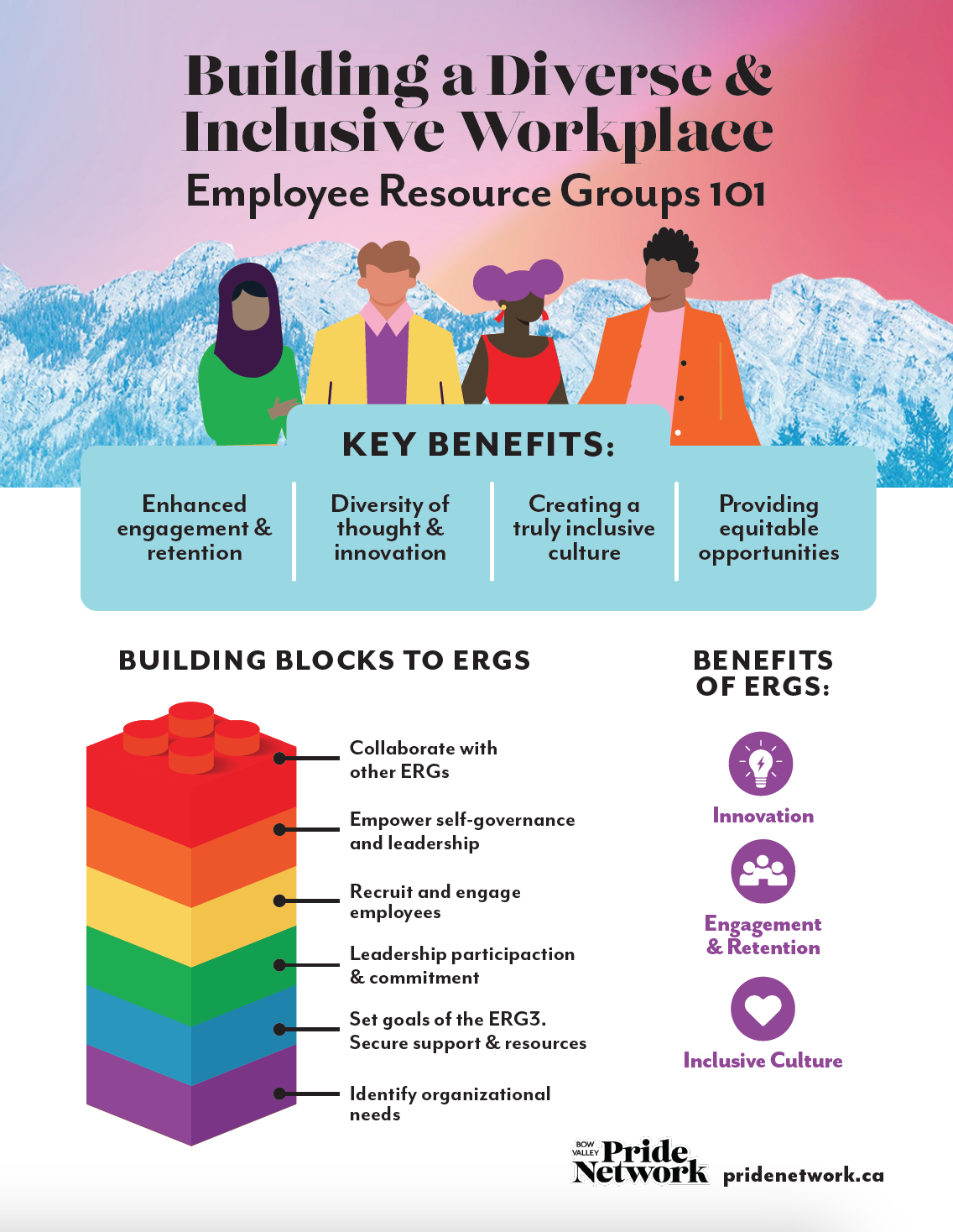
Beyond customer-facing initiatives, cultivate an internal culture that supports 2SLGBTQI+ employees. This includes fair policies, establishing employee resource groups, and providing access to mental health resources. Recognizing and addressing the socioeconomic disparities faced by some gender-diverse individuals contributes to a more equitable and supportive work environment
Building a Truly Welcoming Canada
Moving from ally to advocate is an ongoing journey, not a destination. By embracing comprehensive DEI strategies, Canadian tourism operators can unlock significant economic potential, enrich their workplaces, and most importantly, contribute to building a truly welcoming and safe Canada for all 2SLGBTQI+ individuals. The commitment to genuine inclusion benefits not only the 2SLGBTQI+ community but also strengthens the entire tourism industry, fostering a reputation for diversity, respect, and forward-thinking leadership.