
This guide provides a concise overview of best practices for tourism operators to genuinely connect with the 2SLGBTQIA+ travel community.

Credit: Destination Canada
The Opportunity: By the Numbers
$12 Billion: Annual value of the 2SLGBTQIA+ travel market in Canada. [1]
$300+ Billion: Current global 2SLGBTQIA+ tourism market value. [2]
59% of LGBTQ+ travellers have experienced discrimination during their trips. [3]
43% have cancelled travel to a destination due to it being unsupportive of the community. [3]
Core Principle: Authenticity Over Performance
Moving beyond seasonal "rainbow washing" is critical. 2SLGBTQIA+ travellers value and reward genuine, year-round commitment. Authentic engagement is not a marketing campaign; it is a fundamental business practice rooted in respect, safety, and inclusion.
Key Best Practices: The DOs

DO use inclusive language.
Update your website, marketing materials, and internal communications to use gender-neutral terms (e.g., "guests," "everyone"). Provide fields for pronouns in booking forms.
DO represent the community's diversity.
Showcase a wide range of identities, ages, races, and family structures in your marketing. Avoid stereotypes. Partner with diverse 2SLGBTQIA+ content creators for authentic storytelling.
DO invest in staff training.
Equip your entire team with the knowledge to be confident and effective allies. Training should cover terminology, pronoun usage, and deescalation techniques for discriminatory situations.
DO build year-round partnerships.
Engage with local 2SLGBTQIA+ organizations, artists, and businesses. Sponsor community events outside of Pride month to show sustained support.
DO be transparent about safety.
Provide clear information on your website about the local environment and your commitment to creating a safe space for all guests.
Common Mistakes: The DON'Ts
DON'T limit your focus to Pride month.
"Rainbow washing" is easily recognized and can damage your brand's credibility.
DON'T assume the community is a monolith.
Avoid stereotypes and recognize the intersectional diversity within the 2SLGBTQIA+ population.
DON'T market inclusivity you can't deliver.
Ensure your internal policies and on-the ground guest experience align with your external messaging.
DON'T ignore the local context.
Acknowledge the realities of your destination and provide resources to help travellers navigate it safely.
Quick Action Checklist
1. Audit your website and booking forms for inclusive language.
2. Schedule comprehensive staff training with a reputable provider.
3. Identify a local 2SLGBTQIA+ organization to partner with for a year-round initiative.
4. Review your marketing imagery to ensure it reflects the diversity of the community.
5. Add a dedicated DEI and safety page to your website.
Most hospitality workers in Banff and Canmore are genuinely kind people who care about their guests. Understanding privilege is how you close the gap between good intentions and a guest experience where everyone actually belongs. A practical guide for small tourism businesses in the Bow Valley.

Your facilities speak before your staff do. Here is what Banff and Canmore hospitality operators can do right now to create genuinely inclusive washrooms, change rooms, spa areas, and check-in experiences without a major renovation budget.
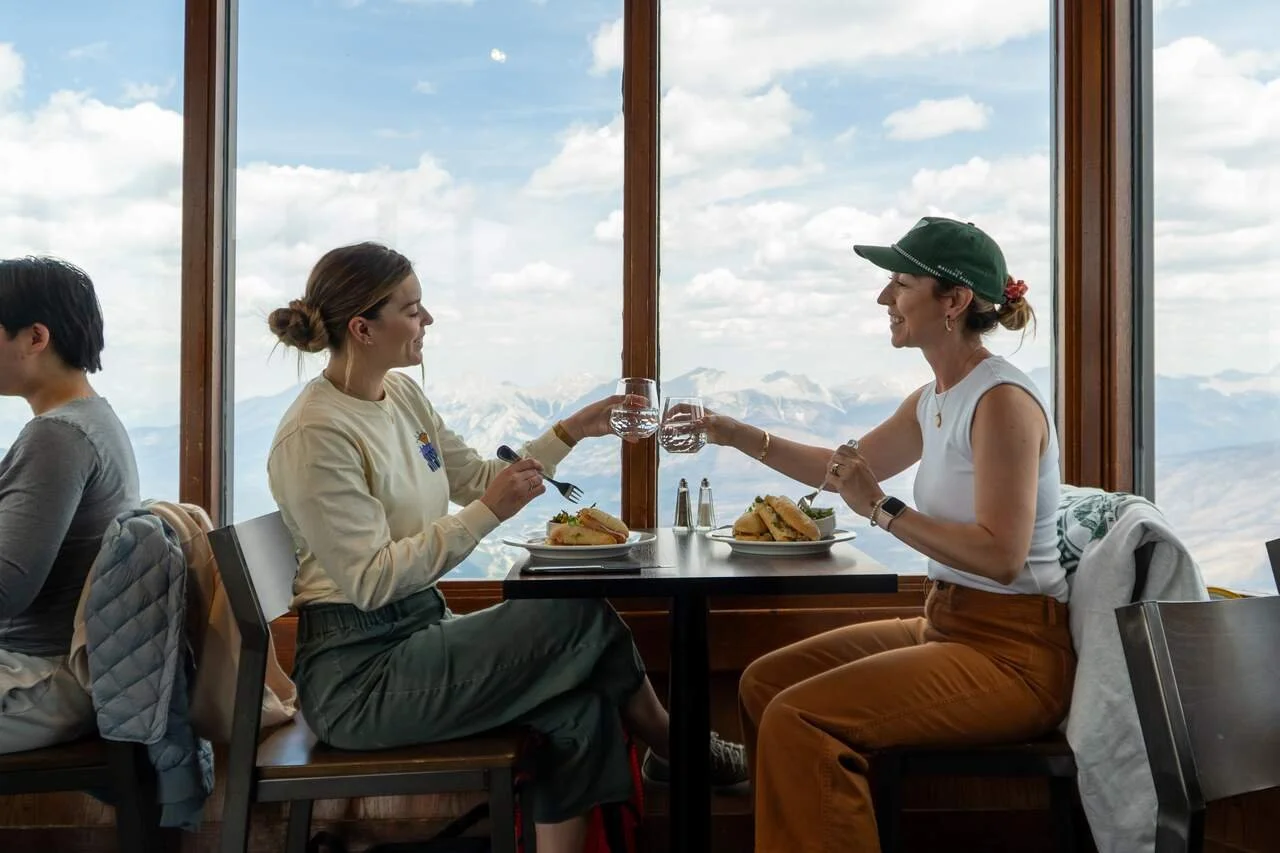

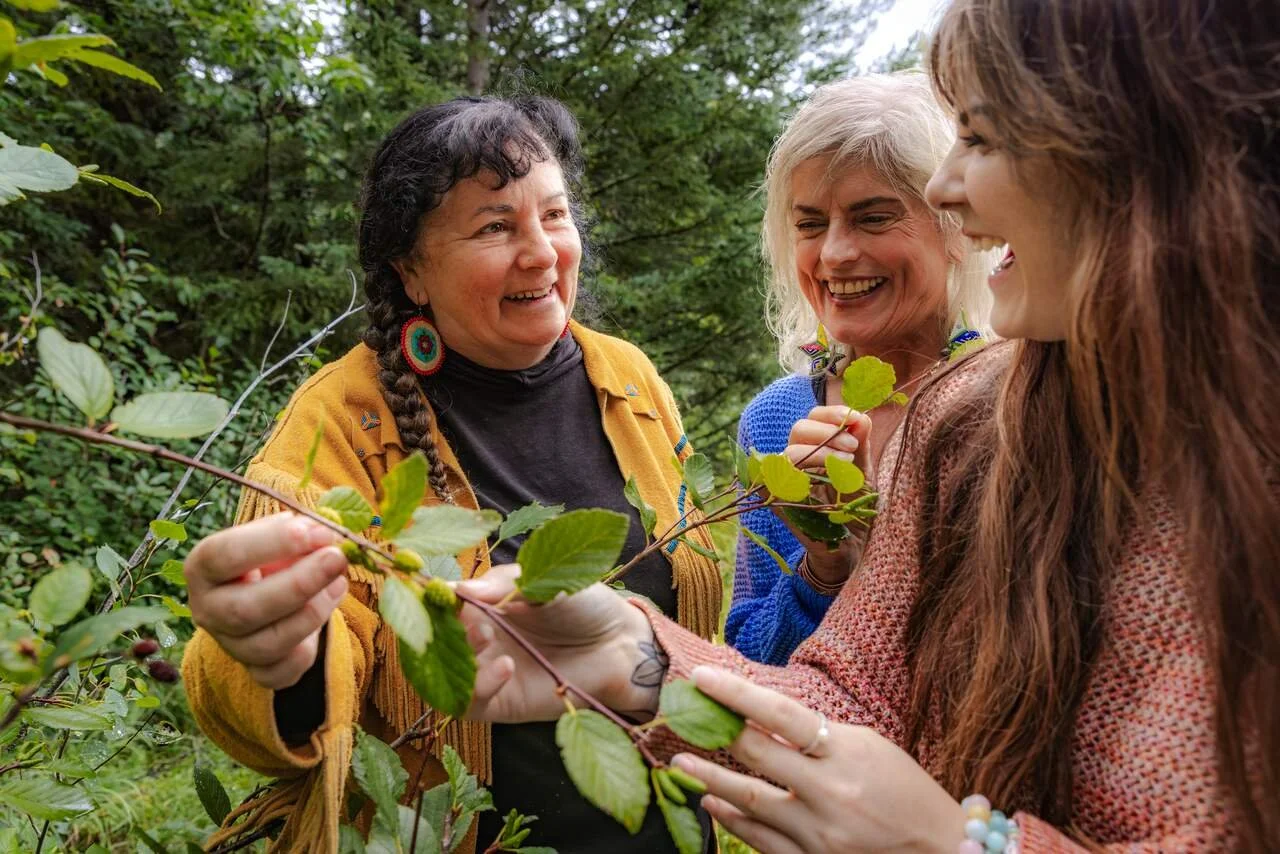



Banff National Park’s 10-year tourism strategy, Lead Tourism for Good, was developed collaboratively with Parks Canada, the Town of Banff, and over 2,000 community members as a roadmap for sustainable tourism. Rather than being an add-on, focused 2SLGBTQIA+ inclusion directly advances this vision by aligning with its strategic pillars—community wellbeing, visitor experience, and equitable access—and unlocking economic and workforce opportunities. For modern travellers, particularly younger demographics, safety and belonging are key influences on travel decisions. Proactively embedding inclusive practices across marketing, staff training, visitor experience, and Indigenous and Two-Spirit representation positions Banff and the Bow Valley as a destination that truly lives its values and competes effectively for a growing global tourism segment.

In moments of public backlash, strong leaders do not retreat. They refocus.
For tourism operators in Banff and the Bow Valley, inclusion is not a trend tied to headlines. It is a long term strategy rooted in safety, reputation, and guest trust. Global travellers are paying attention to where destinations stand. So are employees deciding where they want to work.
Smart operators understand that inclusive practices strengthen teams, protect brand credibility, and attract values aligned visitors year round. In a competitive tourism market, doubling down on inclusion is not a risk. It is a strategic advantage.
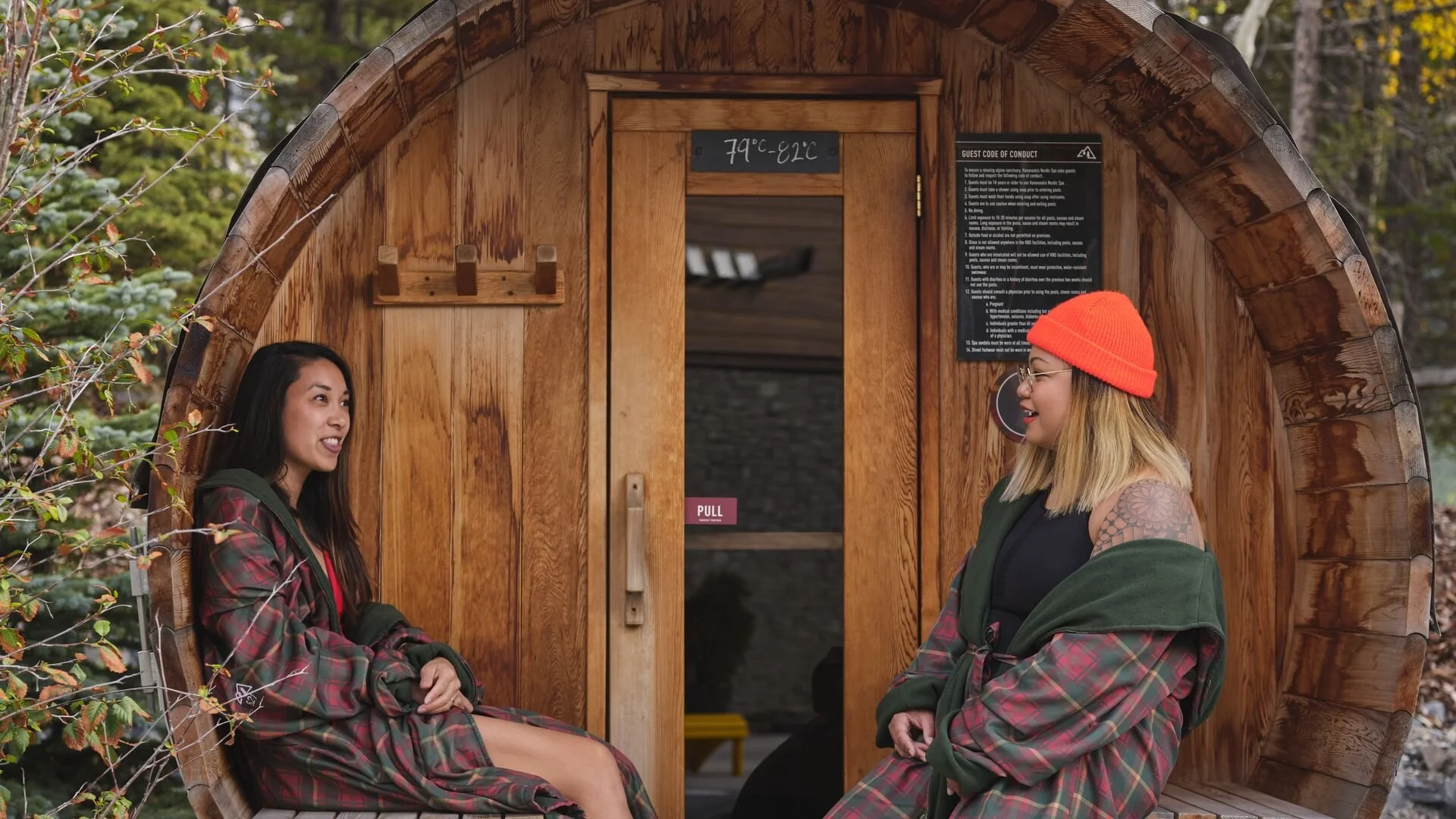
Banff welcomes the world. But authentic engagement with 2SLGBTQIA+ travellers requires more than visible symbols of support. It requires intentional leadership, trained staff, and inclusive systems that build trust at every touchpoint.
Discover how Bow Valley businesses can move beyond surface level gestures and build meaningful, authentic connections with 2SLGBTQIA+ travellers at pridenetwork.ca.

Year-round LGBTQ+ inclusion drives real economic resilience in tourism towns. See how BVPN's certification program is building a sustainable, inclusive future.

A practical, research-backed checklist for Banff venues and event planners to build inclusive 2SLGBTQIA+ festivals, conferences, and retreats that drive tourism.

Move beyond performative allyship. Learn how to build authentic, year roundengagement with the 2SLGBTQIA+ travel market and unlock a $12 billion opportunity in Canada.

Boost your bottom line year-round. Learn how attracting LGBTQ+ travelers can solve seasonality and unlock new revenue streams for your tourism business.

The Canadian tourism landscape is vibrant and diverse, yet for 2SLGBTQIA+ travelers, the promise of a truly welcoming experience isn't always a given. While many businesses proudly display rainbow flags, genuine inclusion goes far beyond symbolic gestures. It requires a proactive shift from passive allyship to active advocacy, embedding diversity, equity, and inclusion (DEI) into the very fabric of operations. This commitment is not only a moral imperative but also a significant economic opportunity, as the 2SLGBTQI+ travel market in Canada alone is valued at over $12 billion annually .

Receiving Diversity, Equity and Inclusion training at work is an amazing opportunity to enhance your knowledge and understanding of DEI work. But the learning doesn’t have to stop there: continuing DEI learning on your own is crucial for personal and professional growth.
Continuing this learning is a great way to enhance personal self-awareness and empathy by uncovering biases and gaps in knowledge and equip you to foster respectful and supportive relationships. It can also help you professionally, ensuring you are adept in navigating changing organizational cultures and supporting many different types of employees with a wide array of lived experiences.
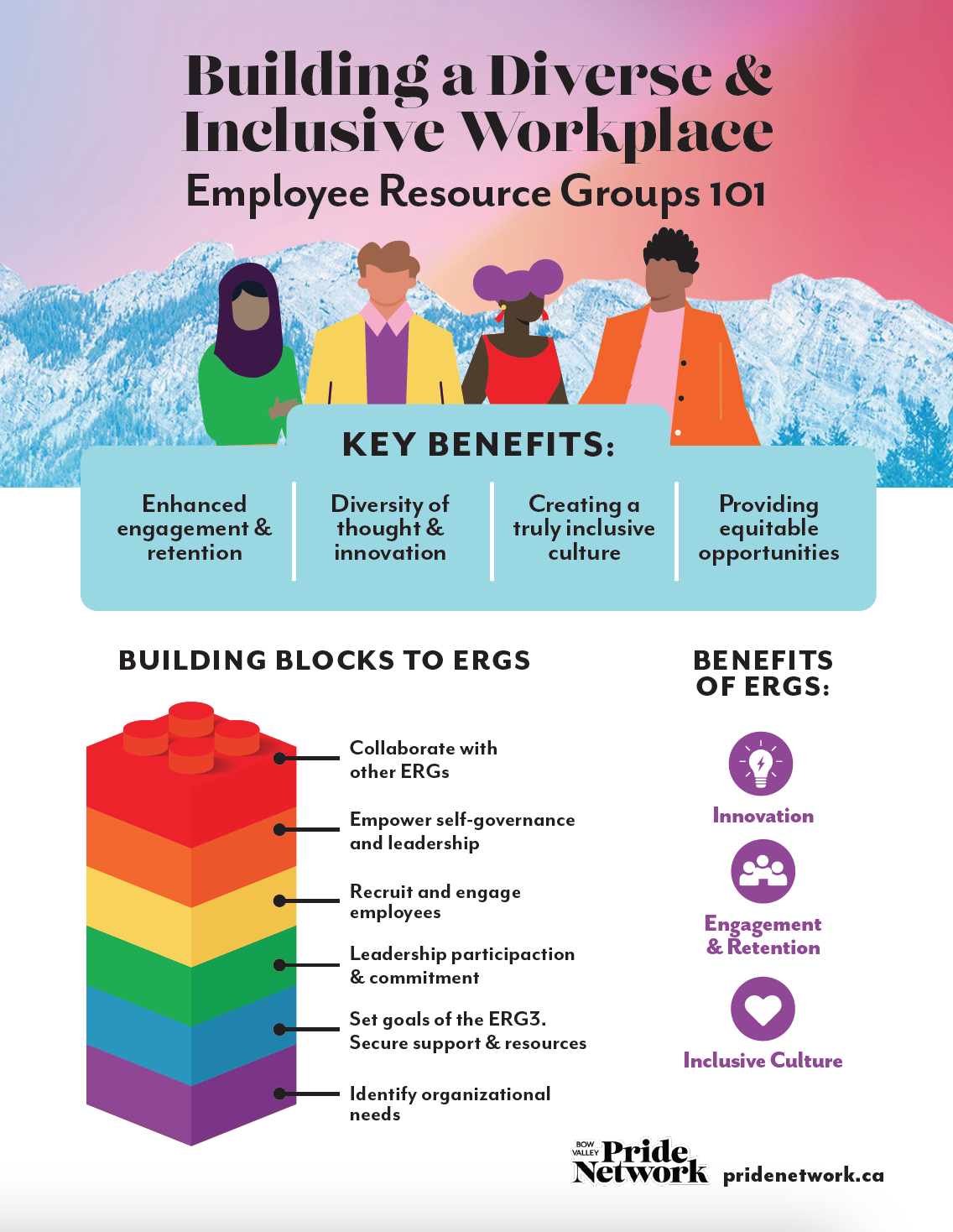
Employee Resource Groups (ERGs) or Affinity Groups are voluntary, employee-led communities within organizations that promote diversity, equity, and inclusion (DEI) by bringing together individuals with shared characteristics, interests, or experiences. These groups serve as platforms for networking, professional development, mentorship, and advocacy.
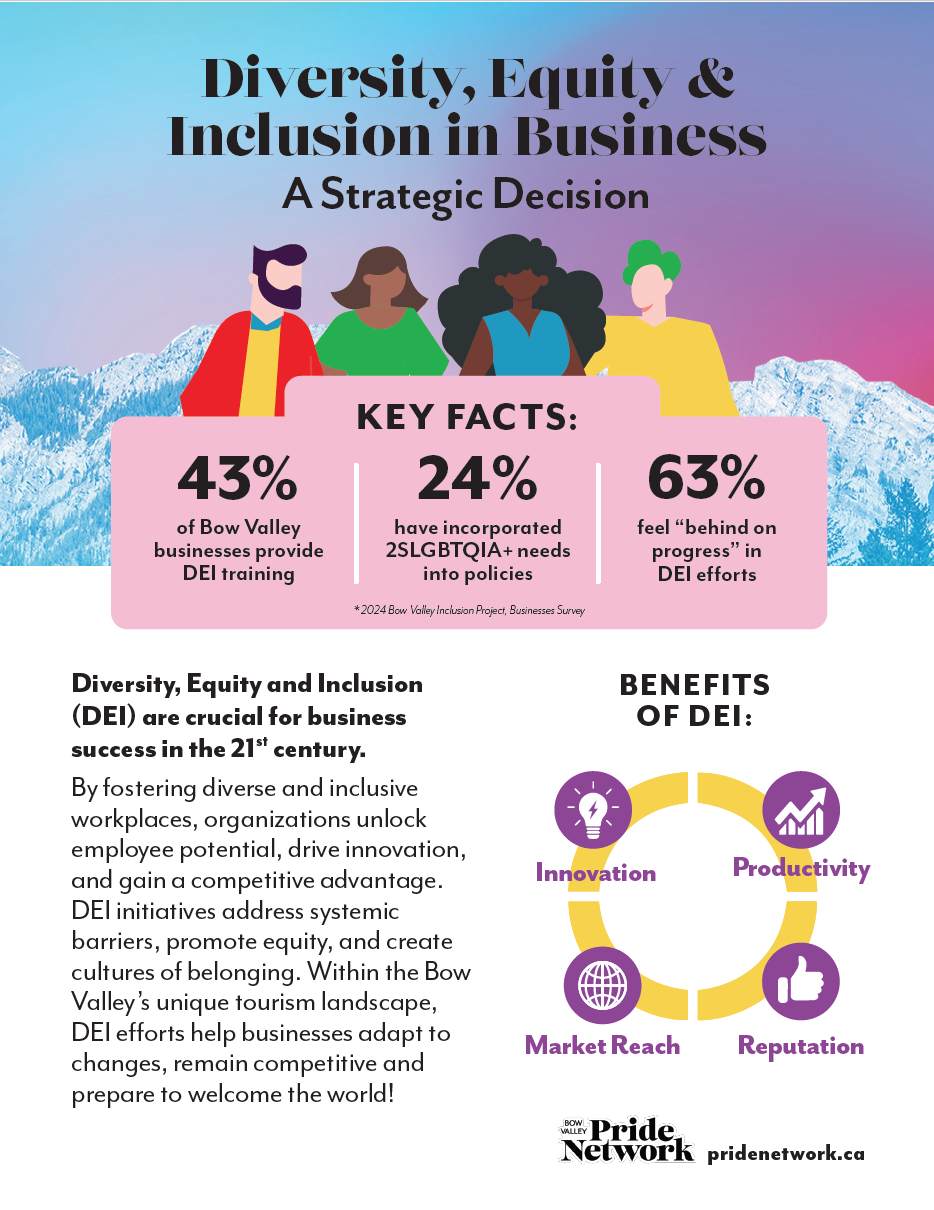
Diversity, Equity, and Inclusion (DEI) are crucial for business success in the 21st century. By fostering diverse and inclusive workplaces, organizations unlock employee potential, drive innovation, and gain a competitive advantage. DEI initiatives address systemic barriers, promote equity, and create cultures of belonging. In the Bow Valley, DEI efforts help businesses adapt to changes and remain competitive.

A set of resources to support organizations in accomplishing Diversity, Equity and Inclusion work and making change within their businesses. These resources range from free, to lower cost, to full-service cost. The goal of providing these resources is to ensure every organization has the path forward to begin DEI work if they so choose, regardless of their resources.
References
[1]: "CGLCC, An LGBT+ Travel Market Guide & Tourism Development Toolkit"
[2]: "Transparency Market Research / Mordor Intelligence"