
Pride Is Not Just a Weekend: How Tourism Destinations Sustain Inclusion Year-Round
For mountain towns like Banff and Canmore, the majestic landscape is both a blessing and a challenge. It fuels a vibrant tourism economy that welcomed approximately five million visitors to Banff National Park in 2024 alone, but it also creates a precarious reliance on seasonal demand [1] . This economic reality is defined by a transient workforce, significant labour shortages, and a widening gap between wages and the cost of living. To build a more resilient future, these communities must look beyond temporary solutions and embrace strategies that foster long-term stability. The key may lie in a powerful, often-overlooked driver of economic growth: authentic, year-round 2SLGBTQIA+ inclusion.
The Economic Reality of Tourism-Based Communities
The Bow Valley’s economic engine runs on tourism, but its workforce is in a constant state of flux. Businesses rely heavily on seasonal labour, with resorts like Sunshine Village swelling from 200 year-round staff to 800 in the winter [2] . This model is strained by a severe housing crisis, where the average one-bedroom rent in Canmore has hit $2,381 and a living wage calculated at $38.80 per hour, far exceeding the average service-sector pay of $22.15 [1] . Compounding this, recent federal changes have cut the allowable share of low-wage temporary foreign workers from 30% to just 10%, intensifying the pressure on employers [1] . The result is a cycle of high turnover, with replacement costs for a single hourly hospitality employee estimated at over $9,500, creating a significant drain on profitability and service consistency [3] .
The Risk of Treating Pride as a Marketing Moment
In the face of these challenges, some destinations see Pride month as a short-term marketing opportunity, a rainbow flag raised in June to attract a lucrative market. This approach, often called “pinkwashing,” is not only disingenuous but also economically short-sighted. A staggering 80% of the LGBTQ+ travel market reports choosing destinations that are openly and actively inclusive throughout the year, not just for a single weekend [4] . The Canadian 2SLGBTQIA+ travel market represents a $12 billion annual opportunity, and these travelers possess significant economic power, spending an average of $1,855 per trip, seven times more than the average Canadian traveler’s $265 [5] . Simply put, treating inclusion as a temporary campaign means leaving the vast majority of this high-value, year-round market on the table.

What Year-Round Inclusion Actually Looks Like
Authentic inclusion transcends marketing; it is embedded in a destination's operational DNA. It involves a conscious and continuous effort to create environments where both visitors and employees feel safe, valued, and respected. This means implementing inclusive policies, providing comprehensive staff training on DEI (Diversity, Equity, and Inclusion) principles, and ensuring physical spaces are welcoming to all. Destinations like Whistler and Tourisme Montréal have become leaders in this space, moving beyond a single Pride festival to cultivate a year-round calendar of 2SLGBTQIA+ events and initiatives [5] . They demonstrate that true inclusion is an ongoing commitment, not a seasonal celebration. This strategy not only attracts visitors during peak season but also helps build a reputation as a genuinely welcoming place, drawing travelers during the quieter shoulder seasons.
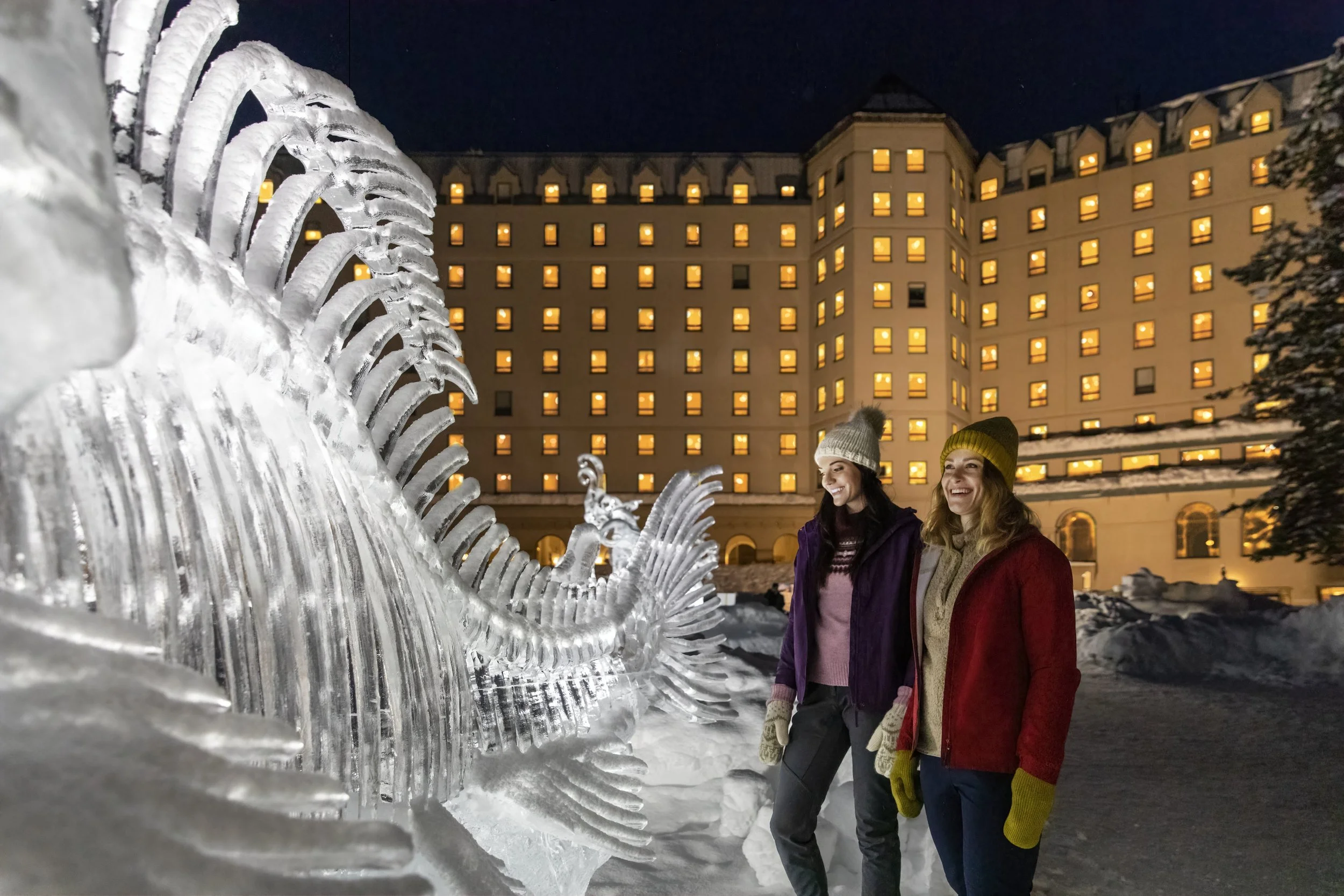
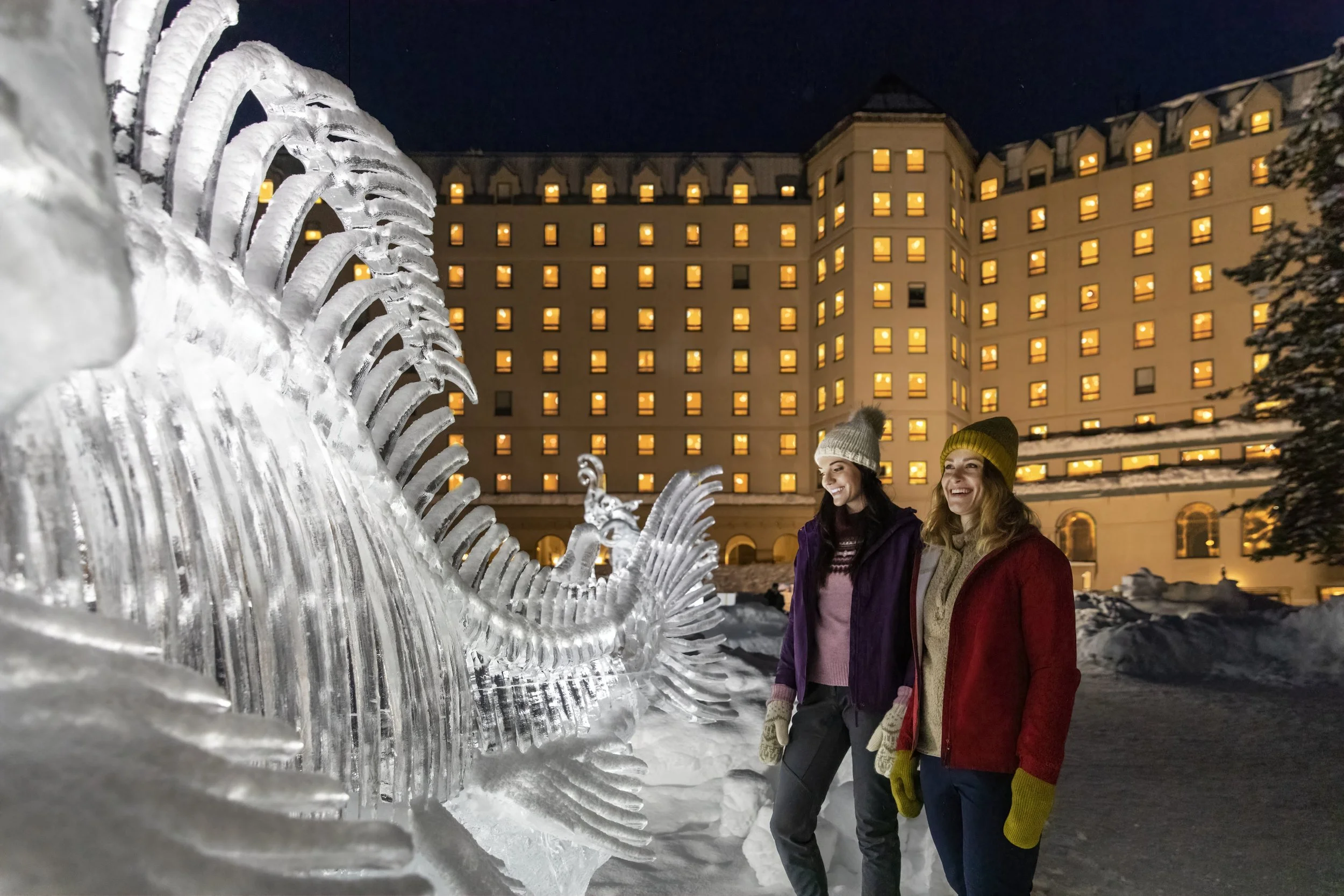
Credit: Travel Alberta / Noel Hendrickson
Economic Resilience Through Inclusion
The business case for year-round inclusion is overwhelmingly clear. For tourism-dependent economies, the 2SLGBTQIA+ market offers a powerful pathway to economic resilience. The high spending habits of these travelers can provide a critical revenue boost, particularly during off-peak months, helping to smooth out the seasonal boom-and-bust cycle. Furthermore, fostering an inclusive workplace is a direct strategy for tackling the tourism industry’s chronic labour retention challenges. With the cost of employee turnover in Canada exceeding $30,000 per person in some estimates, creating a workplace where employees feel a sense of belonging is a powerful retention tool [6] . When staff feel respected and safe, they are more likely to stay, reducing recruitment costs and ensuring a more stable, experienced workforce.
How the Bow Valley Pride Network’s Certification & Workshops Fit Into Long-Term Strategy
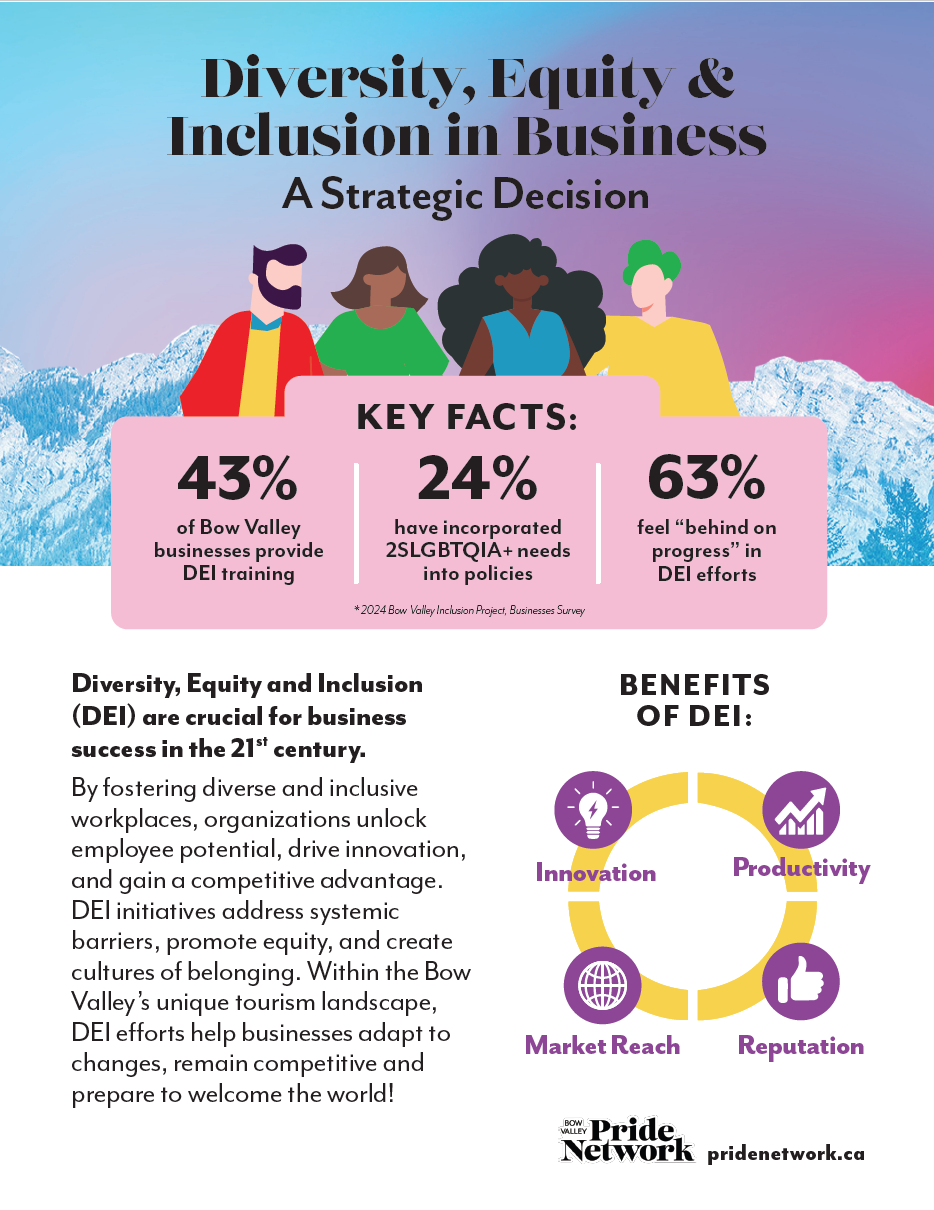
For businesses in the Bow Valley, the path to authentic inclusion has a clear local guide: the Bow Valley Pride Network (BVPN). Recognizing the need for structured support, BVPN offers a vital toolkit for employers. A 2023 survey revealed a significant gap in the region: 63% of organizations felt “behind on progress” in DEI, only 24% had incorporated 2SLGBTQIA+ needs into their policies, and just 43% of staff had received any form of DEI training [7] . BVPN’s certification program and workshops such as the DEI Foundations and DEI Policy Work sessions are designed to directly address these shortfalls. By engaging with BVPN, employers can access the expertise needed to develop meaningful policies, train their teams, and earn a certification that visibly signals their commitment to the 2SLGBTQIA+ community, transforming intention into measurable action.

A Forward-Looking Model for Mountain Destinations
The challenges facing Banff and Canmore are not unique. Tourism economies across the globe grapple with seasonality, labour instability, and the need for sustainable growth. The strategy of embedding year-round 2SLGBTQIA+ inclusion, championed by organizations like BVPN, offers a forward-looking and replicable model. It reframes inclusion not as a social obligation but as a core component of long-term economic strategy. By investing in the safety, dignity, and belonging of 2SLGBTQIA+ employees and visitors, destinations can unlock a high-value travel market, stabilize their workforce, and build a more equitable and resilient economy. Pride is not just a weekend celebration; it is a year-round commitment to a more sustainable and prosperous future.











References
[1] Increasing tourism, fewer temp workers shaping Banff, Canmore job market
[2] Banff and Canmore brace for winter, demand for workers remains strong
[3] Exploring the Cost of Management Turnover in the Canadian Restaurant Industry
[4] Embracing Diversity: How Destination Organizations Can Vibrantly Celebrate Pride
[5] CGLCC LGBT+ Travel Market Guide & Tourism Development Toolkit
[6] Average cost of turnover in Canada rises to more than $30,000