
Inclusive by Design: How to Genuinely Connect with 2SLGBTQIA+ Travellers

Credit: Travel Alberta
In an era where diversity and inclusion are at the forefront of corporate consciousness, many tourism businesses are eager to welcome 2SLGBTQIA+ travellers. The impulse is a good one, rooted in both ethical considerations and a savvy understanding of the market. However, good intentions can easily go astray, leading to marketing campaigns that feel inauthentic, or worse, alienate the very community they hope to attract. The practice of "rainbow washing", slapping a rainbow flag on a product or social media profile during Pride month without any deeper commitment, is no longer enough. Today’s 2SLGBTQIA+ travellers are discerning. They seek genuine connection, demonstrated safety, and authentic experiences. For tourism operators in Canada and beyond, understanding how to move from performative allyship to true, year-round engagement is not just a moral imperative; it’s a critical business strategy. This article explores the data-driven case for inclusive tourism and provides actionable steps to build meaningful connections with the 2SLGBTQIA+ community.
The $12 Billion Opportunity:
Understanding the 2SLGBTQIA+ Travel Market
The 2SLGBTQIA+ travel market is not a niche, it is a powerful economic force. Globally, the market is valued at over $300 billion USD, with projections soaring past $500 billion by the early 2030s [1] [3]. In Canada alone, the 2SLGBTQIA+ travel sector represents a staggering $12 billion annual market [5] . These travellers are often characterized as resilient, high spending, and loyal to brands that demonstrate a genuine understanding and respect for their community.
However, this opportunity is paired with a significant responsibility. Safety and acceptance remain paramount concerns. Recent research from Booking.com reveals that a majority (59%) of LGBTQ+ travellers have experienced discrimination while on vacation, and 43% have cancelled a trip after seeing a destination was not supportive of its 2SLGBTQIA+ residents [6] . This highlights a crucial gap: the desire for travel is high, but the assurance of a truly welcoming experience often falls short.
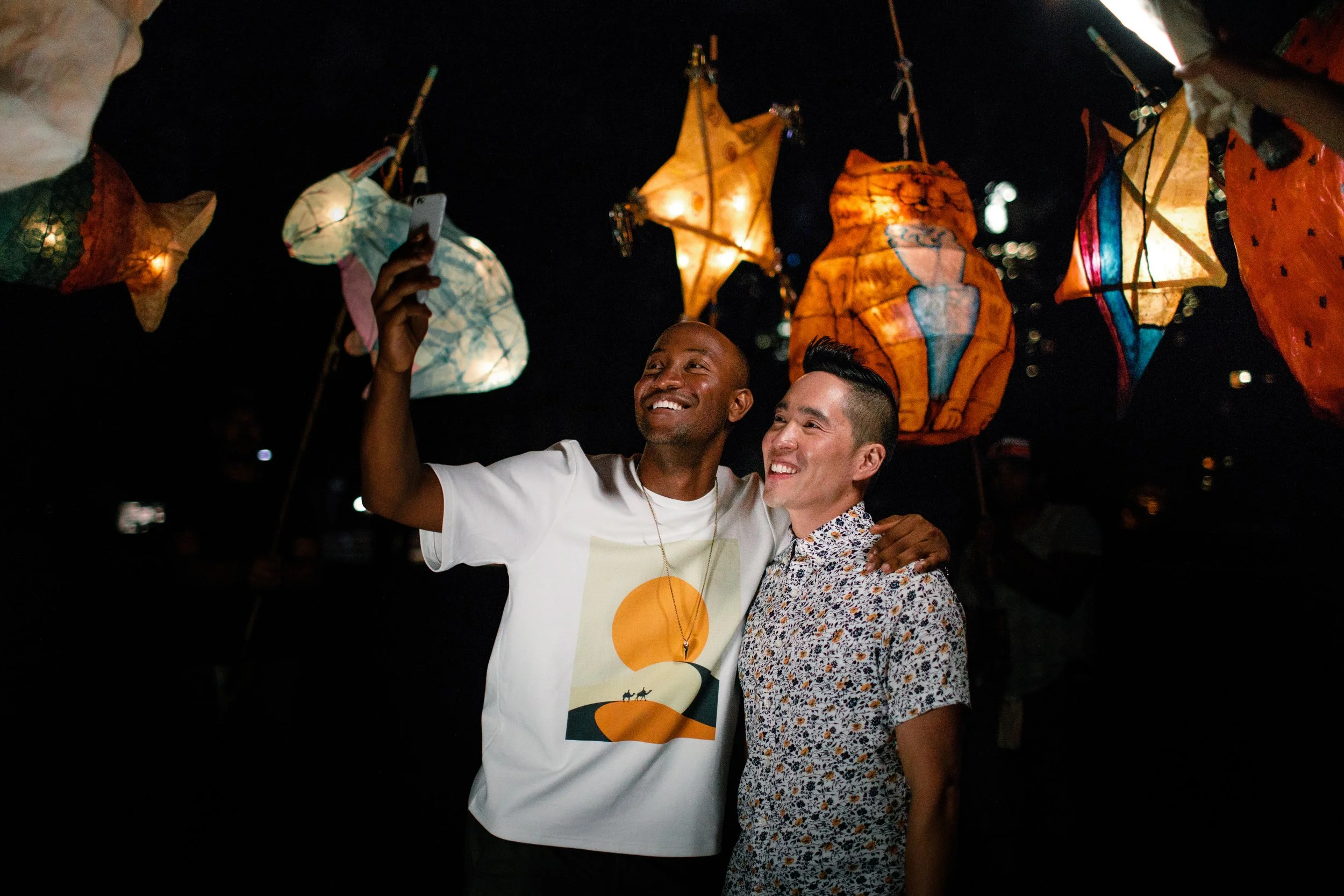
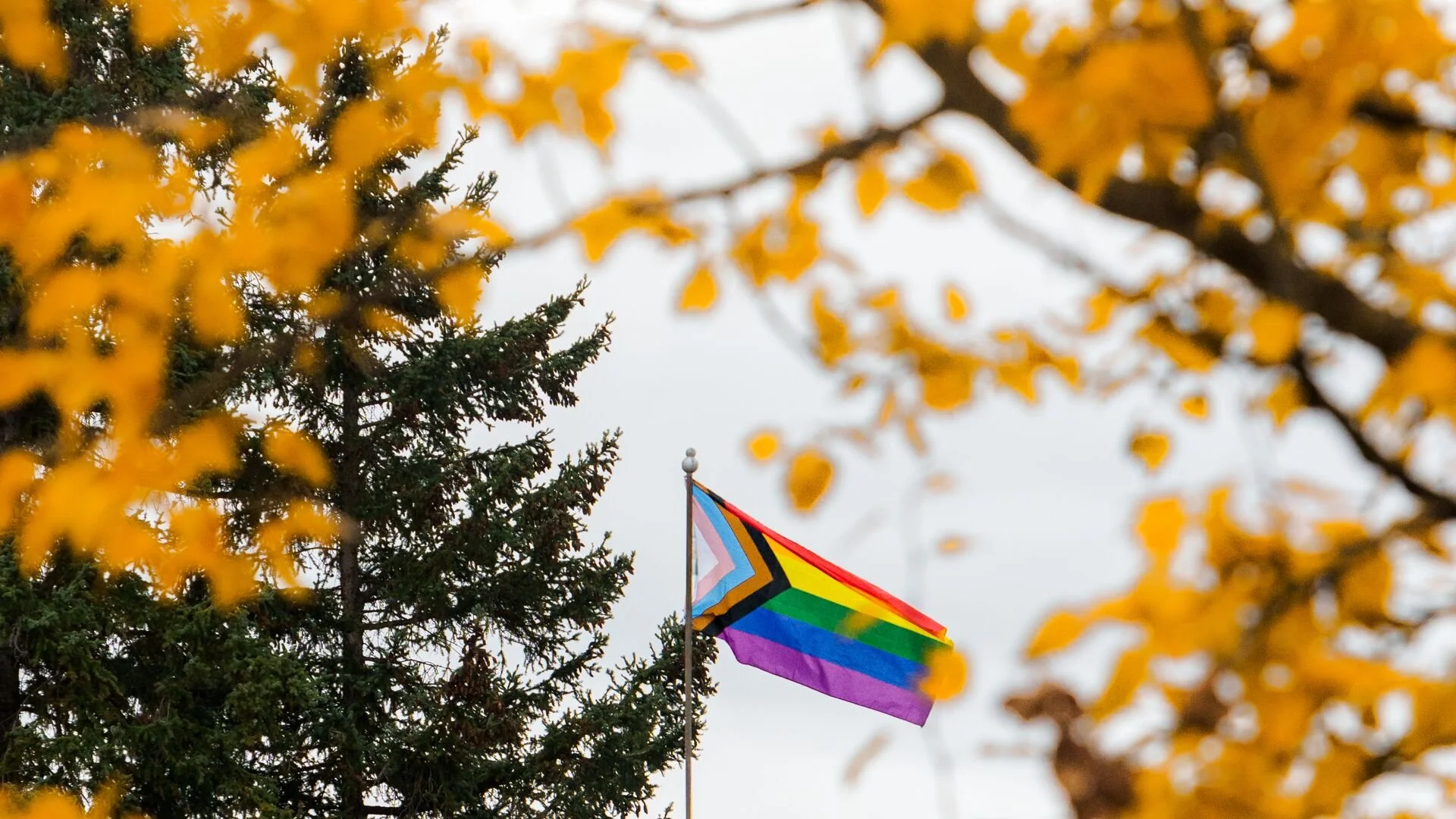
Credit: Travel Alberta / MIke Seehagel @mikeseehagel
Beyond Rainbow Washing: What Authentic Allyship Looks Like
Authentic allyship is about action, not just aesthetics. It requires a 365-day-a-year commitment that is woven into the fabric of your organization. The shift from seasonal marketing to sustained engagement is the single most important transition a brand can make.
This means moving beyond stereotypes and recognizing the immense diversity within the 2SLGBTQIA+ community. Marketing that exclusively features young, white, cisgender gay men is outdated and fails to resonate with lesbian, transgender, non-binary, and BIPOC travellers, as well as queer families [5] . True inclusion is intersectional. It involves showcasing a wide spectrum of identities and experiences in your promotional materials, a practice that can be powerfully achieved by collaborating with diverse 2SLGBTQIA+ content creators and influencers who can share authentic stories with their dedicated audiences.
Actionable Steps to Build a Truly Inclusive Experience
Transitioning from intention to impact requires a concrete plan. Here are four evidence based steps tourism operators can take to create a genuinely inclusive environment.
1. Invest in Education and Training
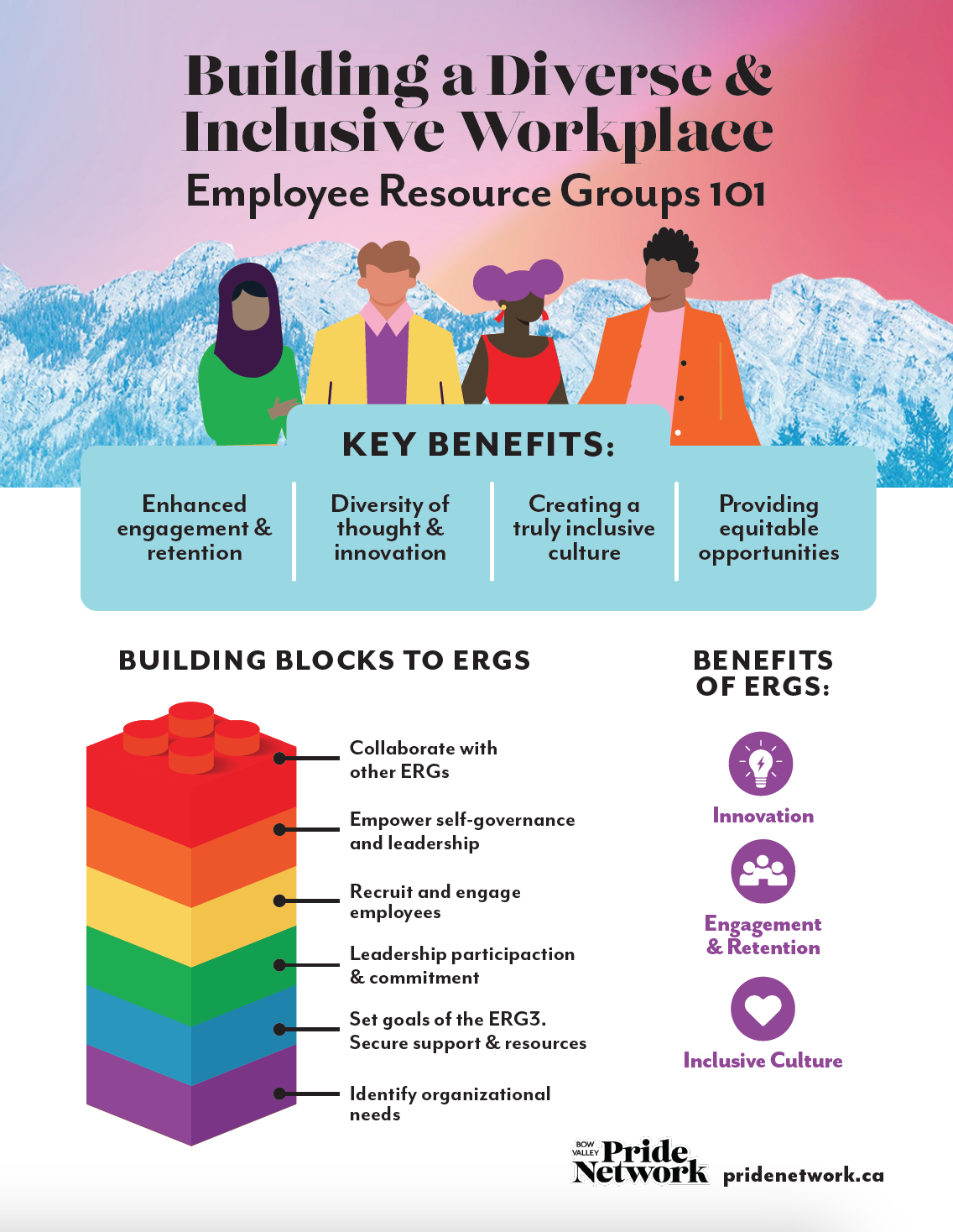
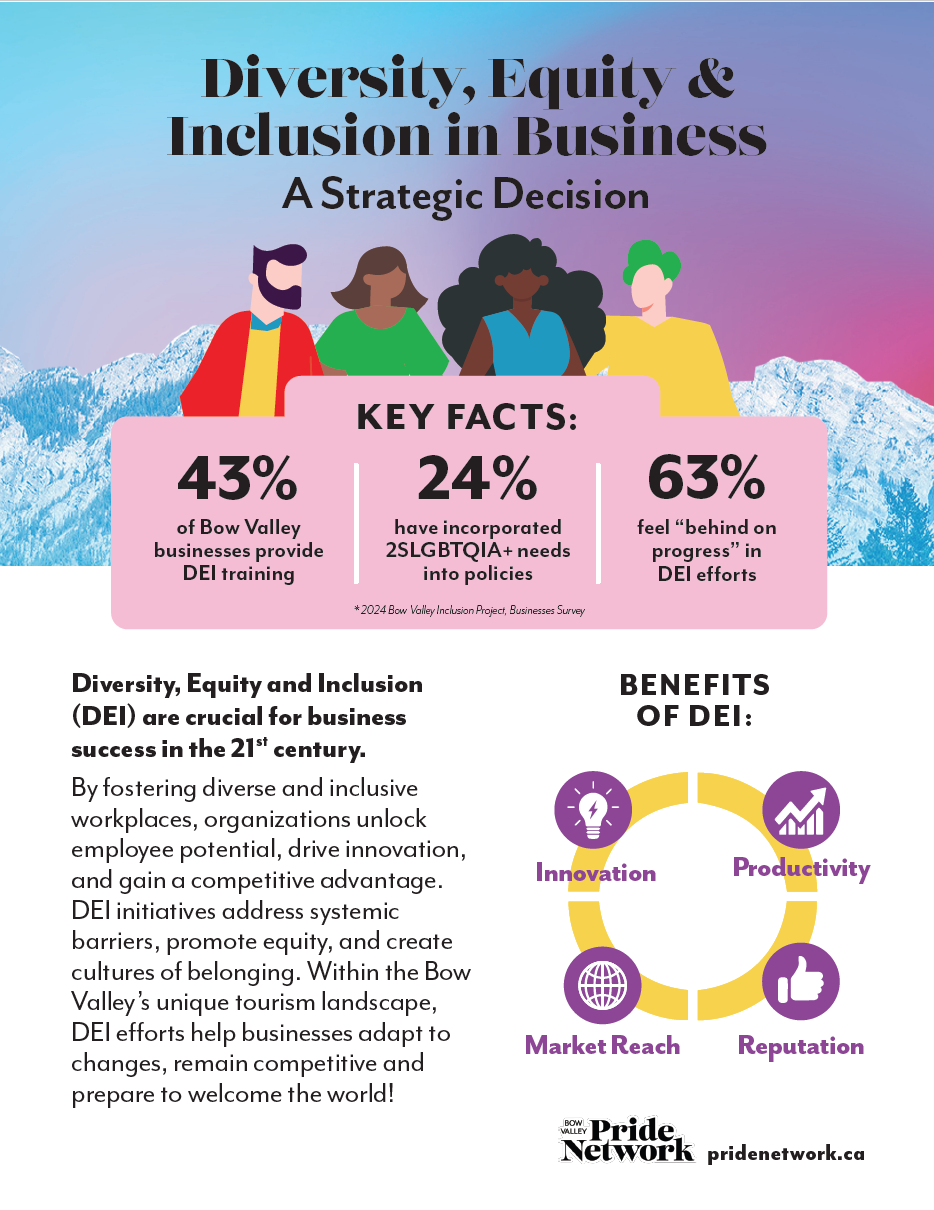
Your team is your most important asset. An inclusive marketing message can be instantly undermined by a non-affirming experience at the front desk. Invest in comprehensive staff training from reputable organizations like HospitableMe or pursue certifications such as Booking.com’s Travel Proud program [12] [6] . This education should cover essential topics like inclusive language, correct `pronoun usage, and protocols for respectfully handling any instances of discrimination.
2. Audit Your Digital and Physical Spaces
Review every touchpoint of the customer journey. Your website, booking forms, and social media should use gender-neutral language and offer options for guests to self-identify their pronouns. Physical spaces should also be considered; for example, offering gender-neutral restrooms is a powerful and visible signal of inclusivity.
3. Build Year-Round Community Partnerships
Authenticity is built through relationships. Instead of a one-time sponsorship during Pride, cultivate ongoing partnerships with local 2SLGBTQIA+ organizations, artists, and business owners. Feature them in your marketing, co-host events throughout the year, and ensure your support is visible when the rainbow banners come down. This demonstrates a longterm investment in the community’s well-being, not just its wallet.
4. Be Transparent About Safety
Trust is the currency of the 2SLGBTQIA+ travel market. Use your platform to provide clear, honest information about the local climate for queer individuals. This doesn’t mean hiding potential challenges; it means equipping travellers with the knowledge they need to make informed decisions. Highlighting local support resources, queer-friendly spaces, and your own company’s commitment to safety can build profound trust and loyalty.
The Future is Inclusive
Canada has a well-earned reputation as a leader in 2SLGBTQIA+ rights and a welcoming destination for queer travellers [7] . Yet, the work is far from over. The data is clear: the 2SLGBTQIA+ community continues to face disproportionate rates of discrimination and mental health challenges, making the creation of safe and affirming spaces more critical than ever.
For tourism businesses, the path forward is clear. By moving beyond performative gestures and embedding authentic, year-round inclusivity into their operations, brands can not only tap into a significant and resilient market but also contribute to a more equitable and welcoming world for all travellers. The time to act is now.












References
LGBT Tourism Market Size, Share & Opportunities, 2025-2032
[2] North America LGBTQ Tourism Market Size | Report, 2030
[3] LGBTQ Tourism Market Size, Share | CAGR of 7.9%
[4] LGBTQ Travel Is Big Business—And the Industry's Betting on It
[5] An LGBT+ Travel Market Guide & Tourism Development Toolkit
[7] Facts, stats and impact: 2SLGBTQI+ communities - Canada.ca
[8] How can travel brands authentically connect with the LGBTQ+ market?
[9] Google, Home Depot pull sponsorship from Pride Toronto
[10] IGLTA Action Plan for Corporate Commitment to LGBTQ+ Inclusive Travel
[11] IGLTA Foundation Releases Guide to LGBTQ+ Inclusive Communication