The Reality of Being Out in a Small Town: Visibility and Belonging in Banff and Canmore
The Double Edge of Visibility
In the close-knit communities of Banff and Canmore, being out is a double-edged sword. For many 2SLGBTQIA+ residents, visibility can foster a profound sense of community and connection, a feeling of being known and accepted in a place they call home. Yet, this same visibility can erase anonymity, creating a feeling of being under constant surveillance. In a small town, personal lives can become public knowledge, and the line between supportive interest and intrusive gossip can be thin. This dynamic is a central paradox of rural queer life: the very thing that builds community can also be a source of significant stress and pressure.
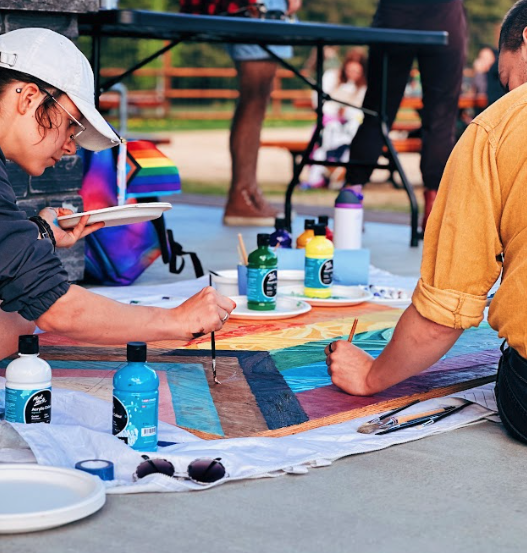
This experience is not unique to the Bow Valley. Research on small-town social dynamics across North America reveals a consistent theme of acceptance intertwined with a lack of privacy [3] . While Banff and Canmore's international character may foster a more cosmopolitan and accepting atmosphere than more isolated rural areas, the underlying mechanics of small-town life persist. For 2SLGBTQIA+ individuals, this means navigating a social landscape where their identity is often public, whether they choose it to be or not. The challenge, then, is to find a balance to cultivate a sense of belonging without sacrificing one's right to privacy and personal space.
Seasonal Populations and Identity
The economies of Banff and Canmore are powered by a large, transient workforce of seasonal employees, many of whom are young people from across Canada and the world on working holidays. This constant influx of new faces creates a dynamic, ever-shifting social fabric. For 2SLGBTQIA+ seasonal workers, this environment presents both opportunities and significant challenges. The transient nature of the community can offer a degree of freedom, a chance to explore one's identity away from the expectations of a hometown. However, it also exacerbates feelings of isolation and disconnection.
The most significant challenge for this population is the severe housing crisis. With a living wage in Canmore calculated at $38.80 per hour in 2023 and the average one-bedroom rent soaring to over $2,000 in both towns, affordable and stable housing is a near impossibility for many [2]. Workers are often forced into crowded, precarious living situations, sometimes with housing tied directly to their employment. This instability makes it incredibly difficult to put down roots and build a stable social network. For a queer person, the search for housing is not just about affordability; it’s about finding a safe, affirming space, a task made infinitely more difficult in a market defined by scarcity and desperation.
Mental Health and Isolation
The combined pressures of small-town visibility, seasonal precarity, and housing instability create a significant mental health burden for 2SLGBTQIA+ individuals in the Bow Valley. National data paints a stark picture: 56% of 2SLGBTQ+ youth in Canada meet the criteria for a mental disorder, a rate nearly double that of their cisgender, heterosexual peers [1] . While rural life can offer protective factors for some, the fear of discrimination remains a powerful stressor. A staggering 57% of rural trans and non-binary individuals report avoiding public spaces like schools or washrooms for fear of harassment [1] .
This avoidance is a survival mechanism, but it comes at the cost of social connection, deepening the isolation that is already a common feature of seasonal work. When your housing is unstable and your community is in constant flux, finding a sense of belonging is a monumental task. For queer individuals, who may already feel disconnected from mainstream social structures, this challenge is amplified. The lack of accessible, culturally competent mental health services in many rural areas, a challenge Canmore Pride is actively working to address through partnerships, further compounds the issue [5] . The result is a community under pressure, where the stunning mountain landscapes can mask a quiet crisis of mental well-being.
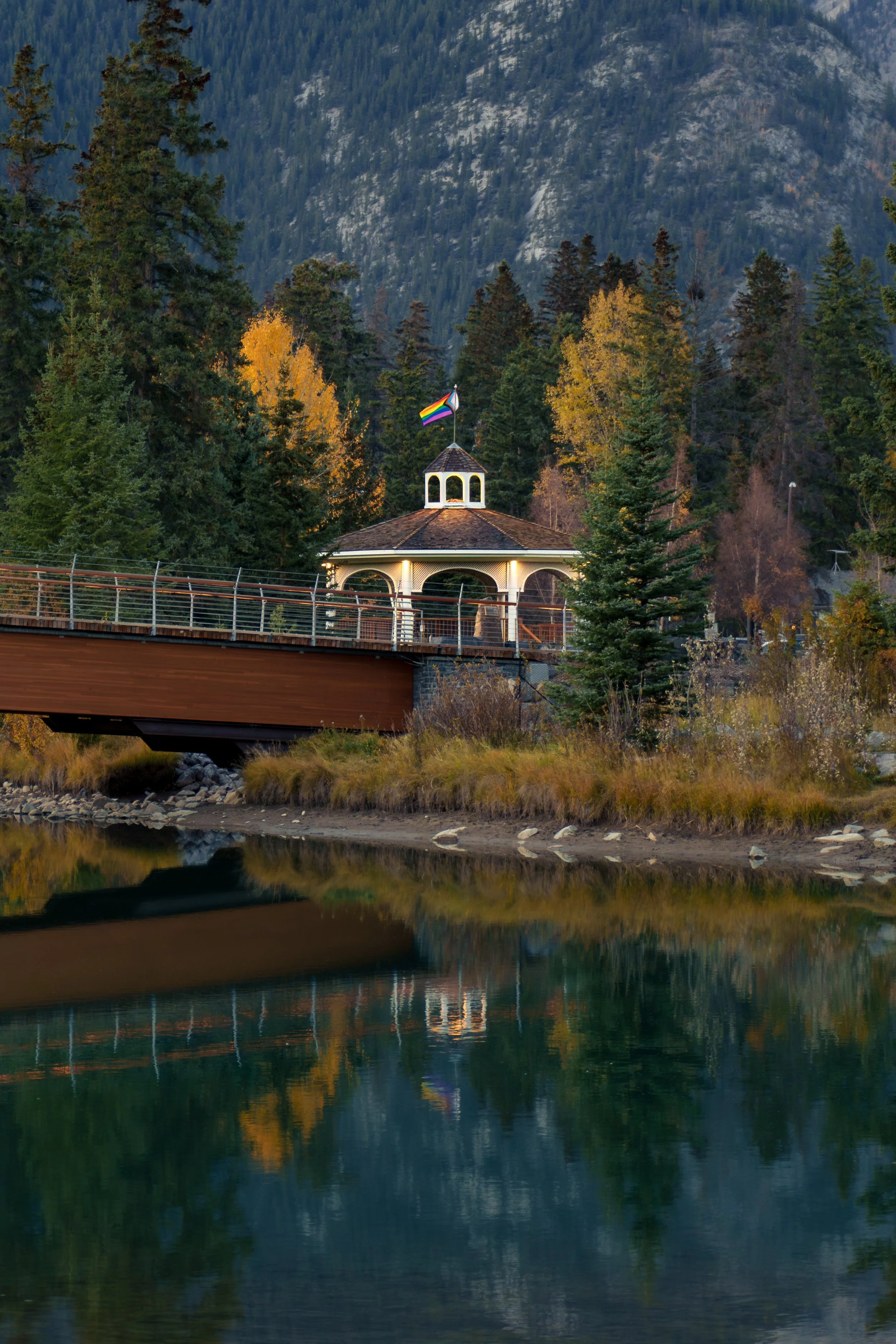
Credit: BLLT / Robert Massey
Community Spaces as Stabilizers
In the face of these challenges, community organizations and events have emerged as critical stabilizers, creating pockets of belonging and resistance. Groups like Banff Pride and Canmore Pride are not just organizing parties; they are building essential community infrastructure. With a 12-year history and over 6,000 annual attendees, Banff Pride has become a powerful force for visibility and connection in the Bow Valley [5] . Its year-round events, from drag shows to outdoor hikes, create consistent opportunities for 2SLGBTQIA+ people and their allies to connect.
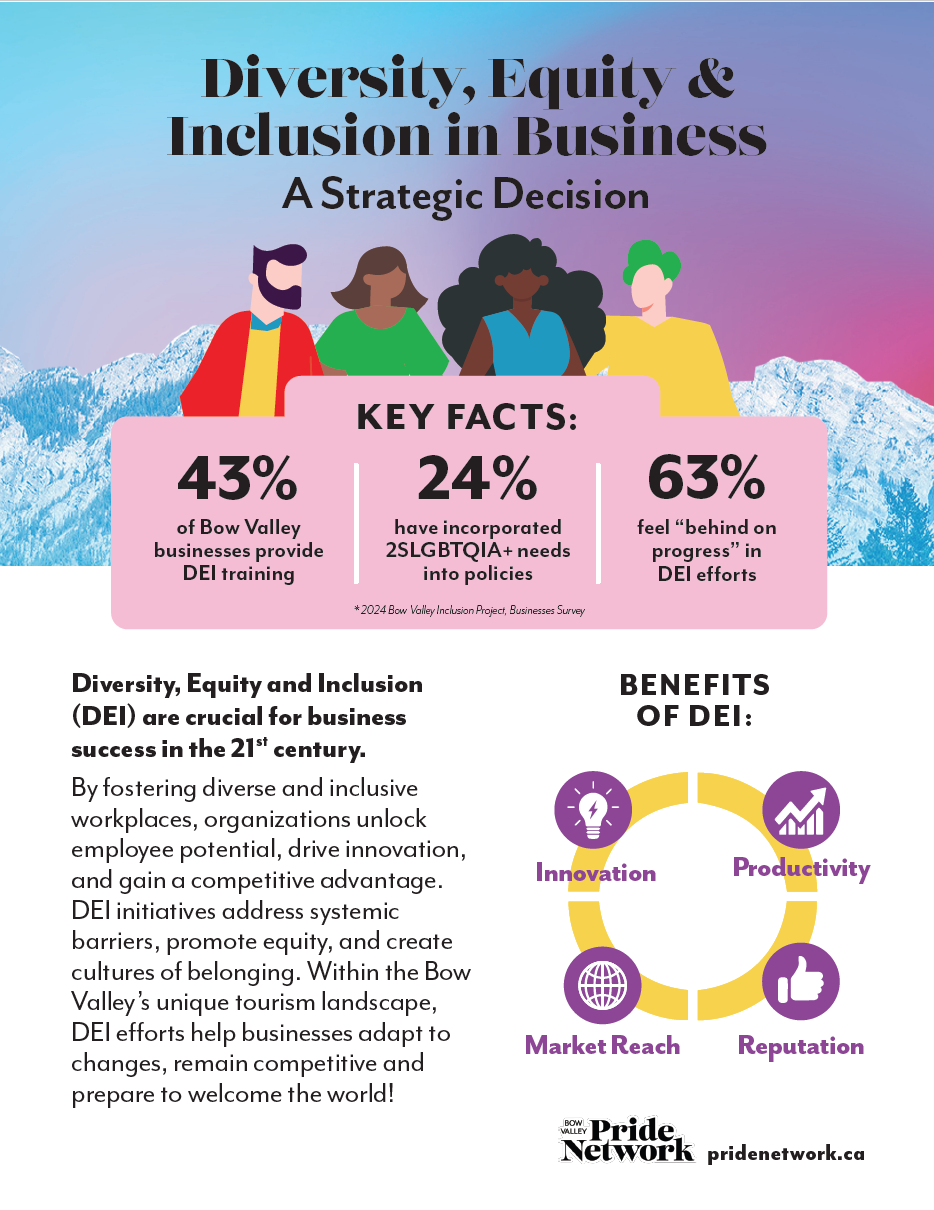
Crucially, these organizations are also tackling systemic issues. The Bow Valley Pride Network, a collaboration between the two town’s Pride organizations, runs a certification program for local businesses, holding them to “9 Inclusion Commitments” that create safer spaces across the region [5] . Canmore Pride’s partnership to offer accessible, slidingscale mental health services is a direct response to the mental health crisis facing the community [5] . These initiatives demonstrate a sophisticated understanding of the community’s needs, moving beyond celebration to provide tangible support and advocate for structural change. They are, in effect, creating a sense of permanence and stability in a community defined by transience.
What Employers and Leaders Can Do
Creating a truly inclusive community in Banff and Canmore requires a concerted effort from both employers and municipal leaders. The economic case for inclusion is clear: the Canadian 2SLGBTQIA+ travel market is valued at $12 billion annually, and inclusive destinations attract a loyal, high-spending demographic 6 . But beyond the economic incentive, there is a moral imperative to ensure that the people who power the tourism economy are able to live with dignity and security.
For employers, the work begins with creating a safe and equitable workplace. This means implementing and enforcing explicit non-discrimination policies that include sexual orientation, gender identity, and gender expression. It means reviewing benefits packages to ensure they are inclusive of same-sex partners and cover transition-related costs. It means providing gender-neutral washrooms and normalizing the use of pronouns. Critically, it requires a commitment to ongoing diversity and inclusion training for all staff, especially managers [6] .
For municipal leaders, the focus must be on addressing the systemic challenges that make life in the Bow Valley so precarious. This starts with the housing crisis. Leaders must champion the development of affordable housing and support initiatives like the “Inclusive Housing Within the Bow Valley” project, which is creating guidelines for safer, more equitable housing for all [4] . Publicly supporting Pride events, funding local 2SLGBTQIA+ organizations, and vocally championing the rights of queer residents sends a powerful message that this is a community where everyone belongs. By working together, employers and leaders can move beyond performative allyship and create the material conditions for a truly inclusive and sustainable community.