
Banff, a jewel in the Canadian Rockies, is not just a destination of breathtaking landscapes but a place of gathering. From international conferences and corporate retreats to vibrant festivals like Banff Pride, the town's event spaces are central to its economic and cultural vitality. As the Canadian 2SLGBTQIA+ travel market surpasses $12 billion annually, with travellers spending an average of $1,850 per trip, far exceeding the national average, creating genuinely inclusive event spaces is no longer a niche consideration but a strategic imperative [1]. For venues and event planners in Banff, embracing inclusivity is an act of leadership that fosters community, enhances safety, and unlocks significant economic opportunity.
This guide provides a practical, actionable checklist grounded in Canada's Federal 2SLGBTQI+ Action Plan [2], the Alberta Human Rights Act [3], and best practices from leading organizations. Whether you are planning a festival, conference, corporate retreat, or tourism activation, these steps will help position your Banff event as a leader in inclusive tourism.

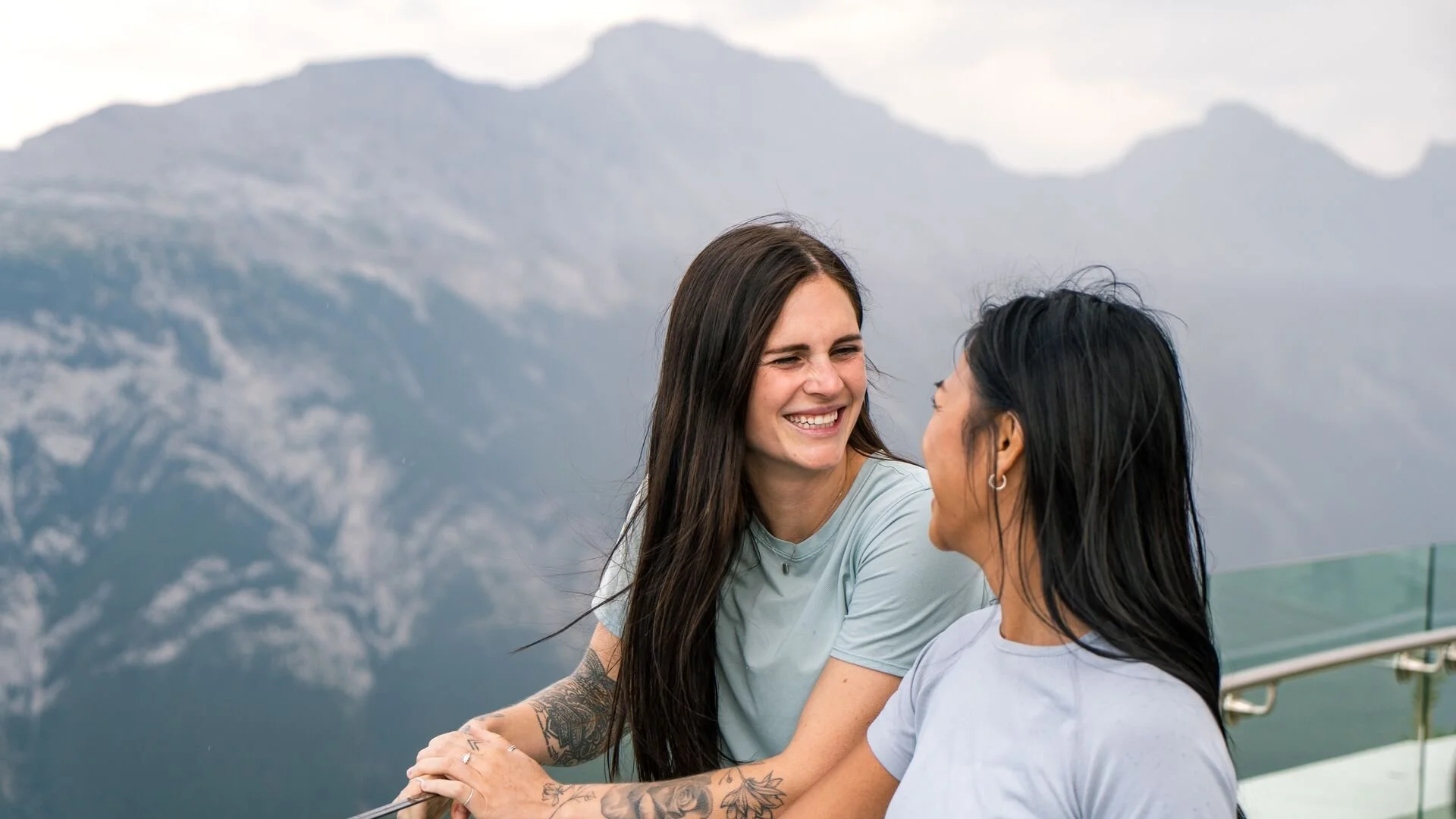
Credit: Travel Alberta / Explore Canmore and Kananaskis
1. Physical Environment: Beyond the Rainbow Flag
Creating a welcoming physical environment goes beyond temporary decorations. It requires embedding a sense of safety and belonging into the space itself.
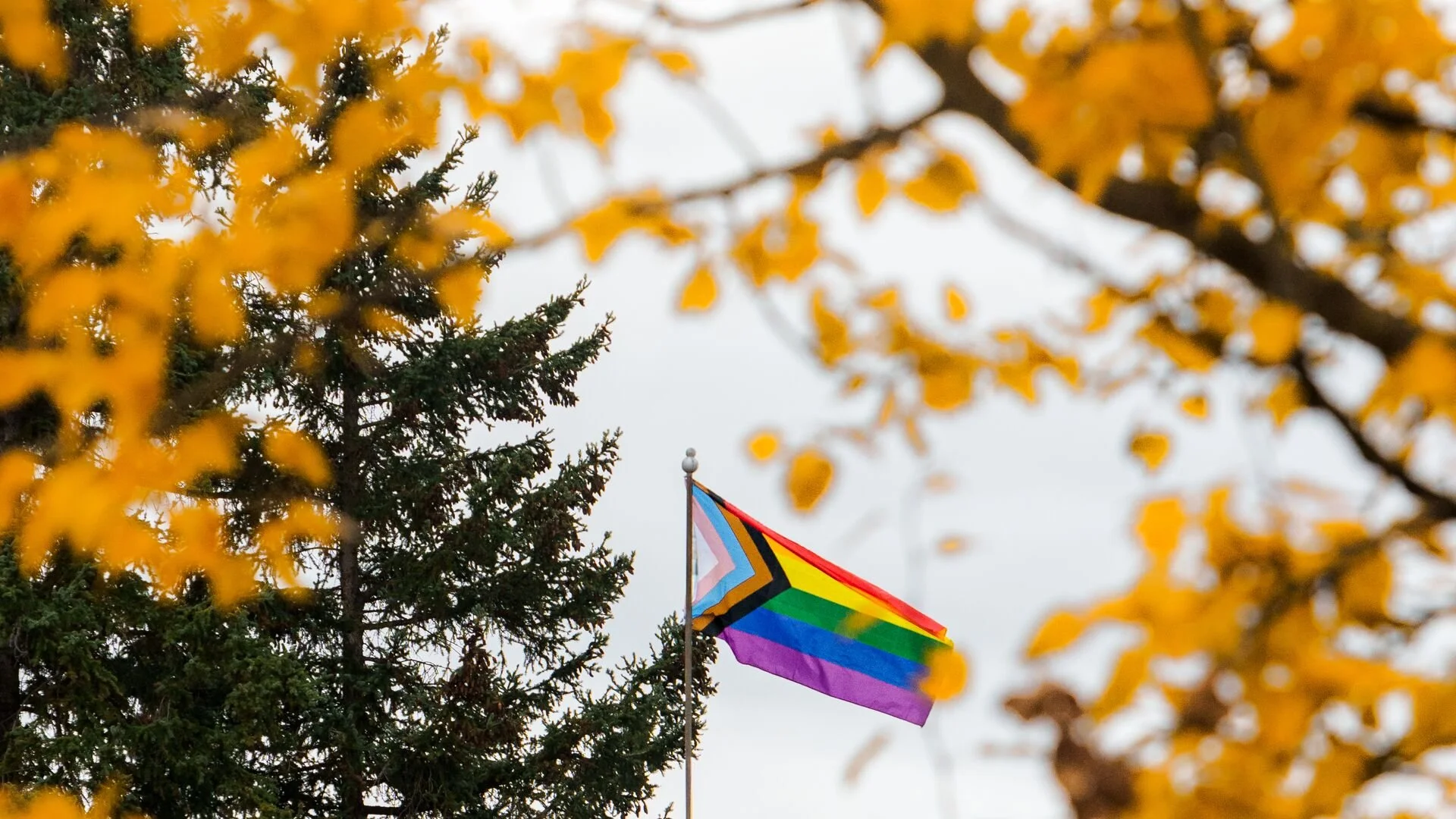
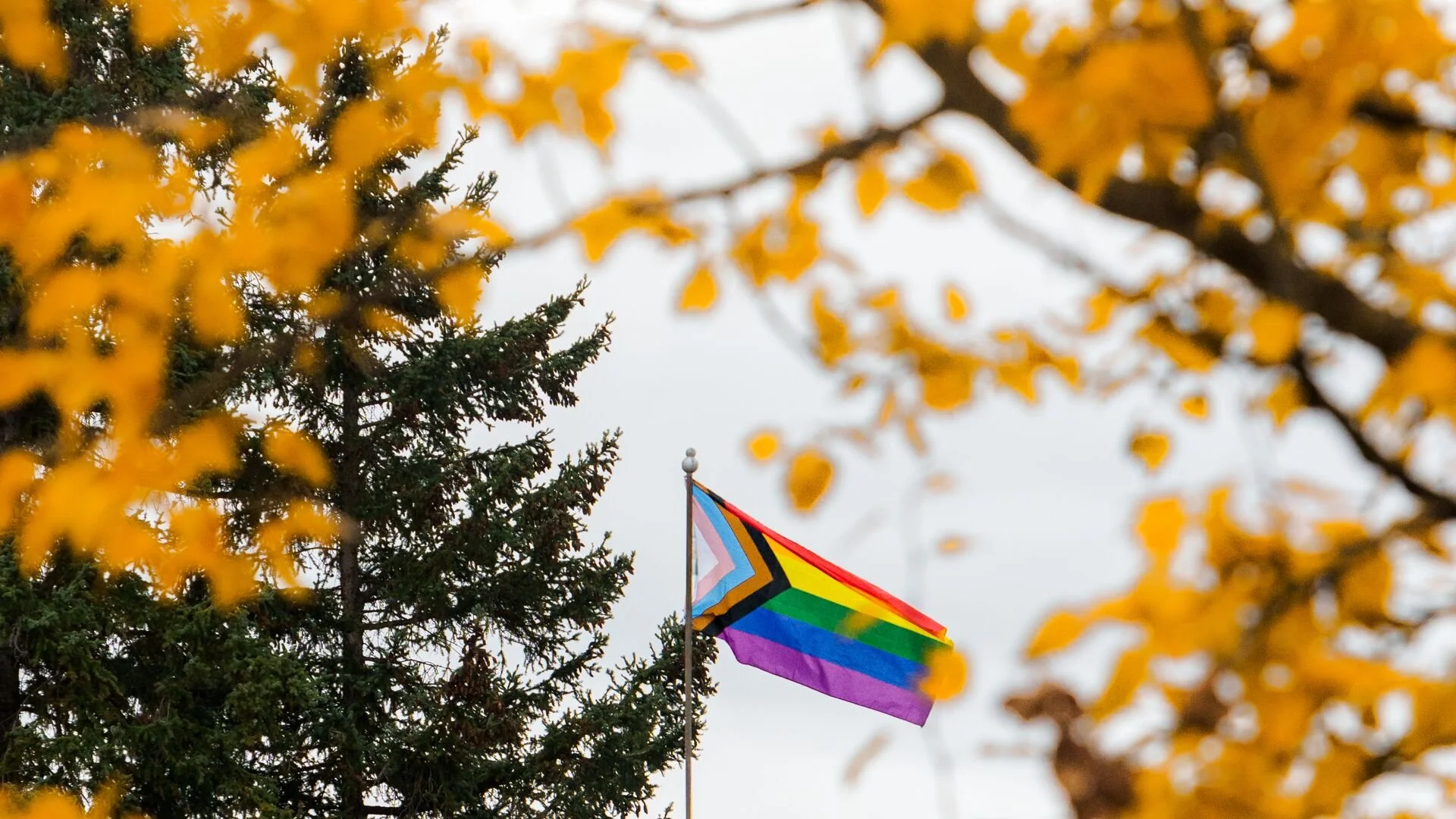
Visibility and signage are the first signals an attendee receives upon arrival. While Pride flags are a welcome sign of solidarity, they should be accompanied by clear, inclusive signage. This includes pronoun buttons for staff, prominently displayed codes of conduct, and clear directions to accessible features. Banff Pride's use of visible safer space indicators, including Pride flags, pronoun buttons, and code of conduct posters is an excellent local model to follow [4].
Quiet and low-sensory spaces are equally important. Events can be overwhelming, particularly for neurodivergent attendees. Designating a quiet area, away from the main activity, for guests who need a break from sensory stimulation demonstrates a commitment to well-being that goes beyond the minimum. The Government of Canada's inclusive event planning guide specifically recommends ensuring "the space and agenda responds to participant health needs," including health breaks and scent-free environments [5].
Finally, every event in Banff should begin with a meaningful territorial acknowledgement, recognizing the Indigenous peoples on whose traditional territories the gathering takes place. This practice, central to Canadian reconciliation, sets a tone of respect and awareness from the very first moment.
2. Registration and Ticketing Language
The registration form is often the first point of contact with an attendee. It is a critical opportunity to signal inclusivity from the outset.
Registration systems should include optional fields for pronouns and chosen names, and all subsequent communications, name badges, confirmation emails, event programs must use the information provided. Gender selection fields should move beyond a binary "Male/Female" framework to offer options such as "Non-binary," "Two-Spirit," "Prefer to self-describe," and "Prefer not to say." The Government of Canada recommends using "nonbinary, inclusive language" in all oral and written text associated with an event [5].
Equally important is the proactive collection of accessibility needs. A simple question such as, "Do you have any accessibility needs we should be aware of to ensure your full participation?" allows planners to arrange services like ASL interpretation, attendant care, or specific seating well in advance. This approach, recommended by the Government of Canada's GBA Plus framework, ensures that accommodation is built into the plan rather than treated as an afterthought [5].
3. Stage and Speaker Practices
The main stage is your event's focal point, and what happens there sends a powerful message about your values.
Diverse and authentic representation in your lineup of speakers, performers, and facilitators is essential. As Destination Toronto's guide on inclusive events advises, planners should consider the full spectrum of the community: "If you're planning to hire a drag queen, did you also consider hiring a drag king?" [6]. Representation should be genuine and avoid tokenism, with members of the 2SLGBTQIA+ community involved in the planning process itself.
Moderators and emcees should be trained in inclusive facilitation, which includes using correct pronouns, managing audience Q&A respectfully, and gently addressing any misgendering or non-inclusive language. For sessions that may touch on sensitive or potentially traumatic topics, providing clear content warnings in the program and at the start of the session is a practice of care that protects attendees and builds trust.
4. Washroom and Accessibility Planning
Safe and accessible washrooms are a fundamental, non-negotiable requirement for inclusive events.
All single-stall washrooms should be designated as all-gender washrooms with clear, simple signage such as "All-Gender Washroom" accompanied by pictograms. For multi-stall facilities, at least one should be designated as all-gender. This is a core practice at Banff Pride events, where gender-neutral washrooms are available at most venues [4] [7].
Physical accessibility requires more than trusting a venue's self-assessment. The Government of Canada's guide recommends undertaking "a thorough check of the physical site before booking the location," noting that "understandings of accessibility vary" [5]. Planners should personally verify ramps, elevators, accessible parking, clear pathways, and accessible emergency exits. Based on needs identified during registration, planners should budget for and provide comprehensive support services, including ASL interpreters, live captioning, and attendant care workers.
5. Staff and Volunteer Briefings
Your team represents the event's values at every touchpoint. Comprehensive training is essential for every person who interacts with attendees, from security personnel to bartenders.
Cultural competency training should be mandatory for all staff, volunteers, and contractors. This training should cover 2SLGBTQIA+ terminology, the importance of pronouns, anti-harassment protocols, and de-escalation techniques. As Pride Toronto's executive director has emphasized, training should extend to "understanding cultural competency" so that "everyone who enters the space feels welcome" [6]. Every team member should have a clear understanding of their role in maintaining a safe environment, including who the designated safety lead is and what the protocol is for responding to a complaint. Staff should feel empowered to intervene respectfully when they witness noninclusive behaviour and to escalate issues when necessary.
6. Crisis Response Planning
In the context of rising anti-2SLGBTQI+ hate across Canada, a clear, proactive crisis response plan is not optional, it is essential. Egale Canada's Pride Safety Toolkit was developed specifically to help event organizers navigate this landscape [8].
A clearly communicated zero-tolerance policy for harassment, discrimination, and any form of hate should be visible on your website, registration materials, and onsite signage. The event should have a documented de-escalation and reporting protocol that includes designated safety leads, a confidential reporting mechanism, and a commitment to honoring the survivor's wishes regarding the involvement of law enforcement. Banff Pride's model, which includes onsite safety leads trained in de-escalation and a clear post-event reporting channel, is a strong framework to adopt [4].
Finally, recognizing that events can be emotionally charged, planners should partner with local organizations to have mental health and peer support resources available onsite. This is not a luxury; it is a core component of community care.
Credit: BLLT




References
[1]: Canadian Gay and Lesbian Chamber of Commerce (CGLCC). Business Case for LGBT+ Inclusion.
https://queerchamber.ca/wp-content/uploads/sites/2/2024/03/LGBT-Business-Case-for-Inclusion-2020-Web.pdf
[2]: Government of Canada. (2022 ). Federal 2SLGBTQI+ Action Plan.
https://www.canada.ca/en/women-gender-equality/free-to-be-me/federal-2slgbtqi-plusaction-plan/federal-2slgbtqi-plus-action-plan-2022.html
[3]: Alberta Human Rights Commission. Alberta Human Rights Act.
https://albertahumanrights.ab.ca/media/1utjxb3e/alberta-human-rights-act.pdf
[4]: Banff Pride. Safety at Banff Pride.
https://banffpride.ca/safety
[5]: Government of Canada. (2024 ). Inclusive Event Planning.
https://www.canada.ca/en/women-gender-equality/gender-based-analysisplus/resources/inclusive-event-planning.html
[6]: Destination Toronto. (2025 ). 6 Ways to Make Your 2SLGBTQ+ Events Welcoming and Inclusive.
https://www.destinationtoronto.com/meetings/blog/post/make-2slgbtq-eventswelcoming-inclusive/
[7]: Banff Pride. Accessibility at Banff Pride.
https://banffpride.ca/accessibility
[8]: Egale Canada & Canada Pride. Pride Safety Toolkit: Prides and Community Event Organizers.
https://egale.ca/wp-content/uploads/2023/05/Pride-Safety-Toolkit-Organizers-2.0.pdf