Staff Training 101: Creating Welcoming Experiences in Canmore and Banff
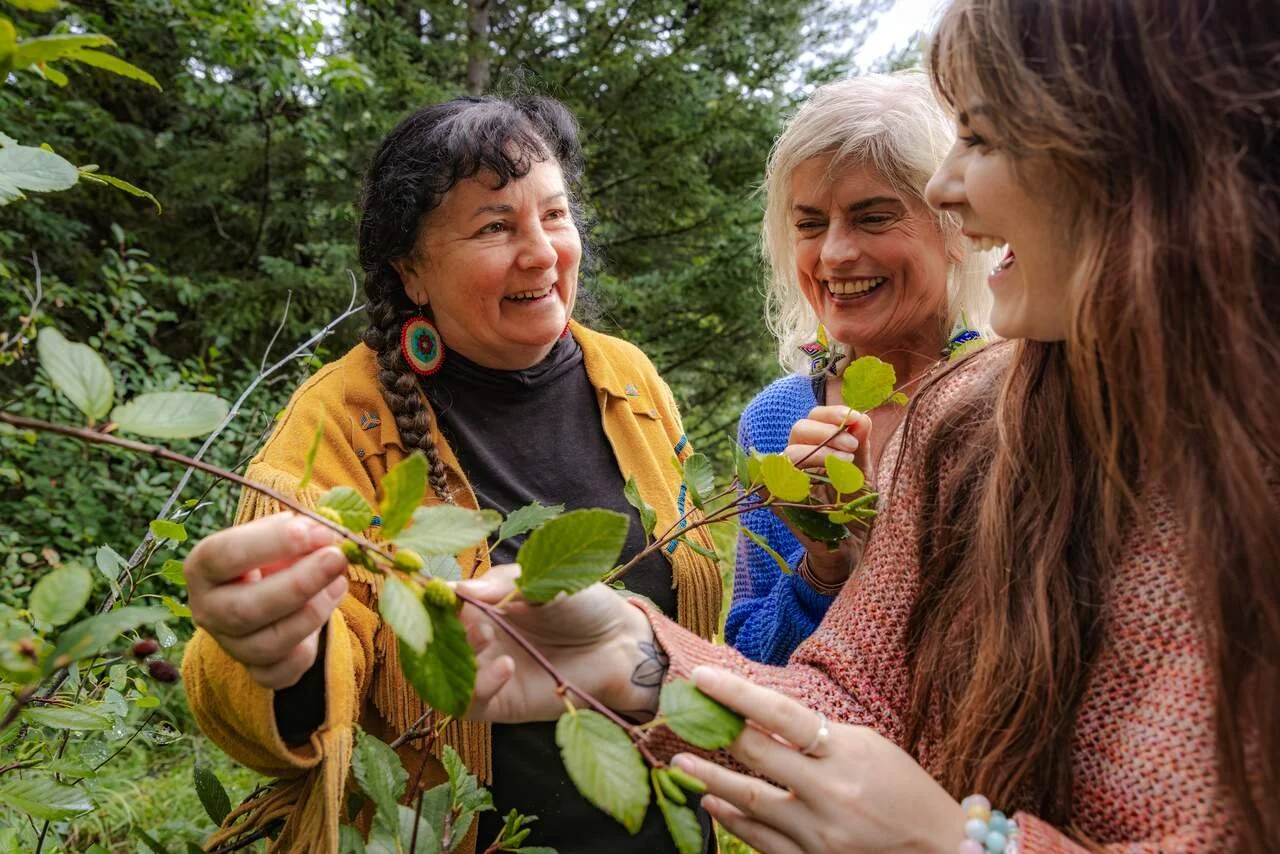
Credit: Travel Alberta / Silver Fern Productions
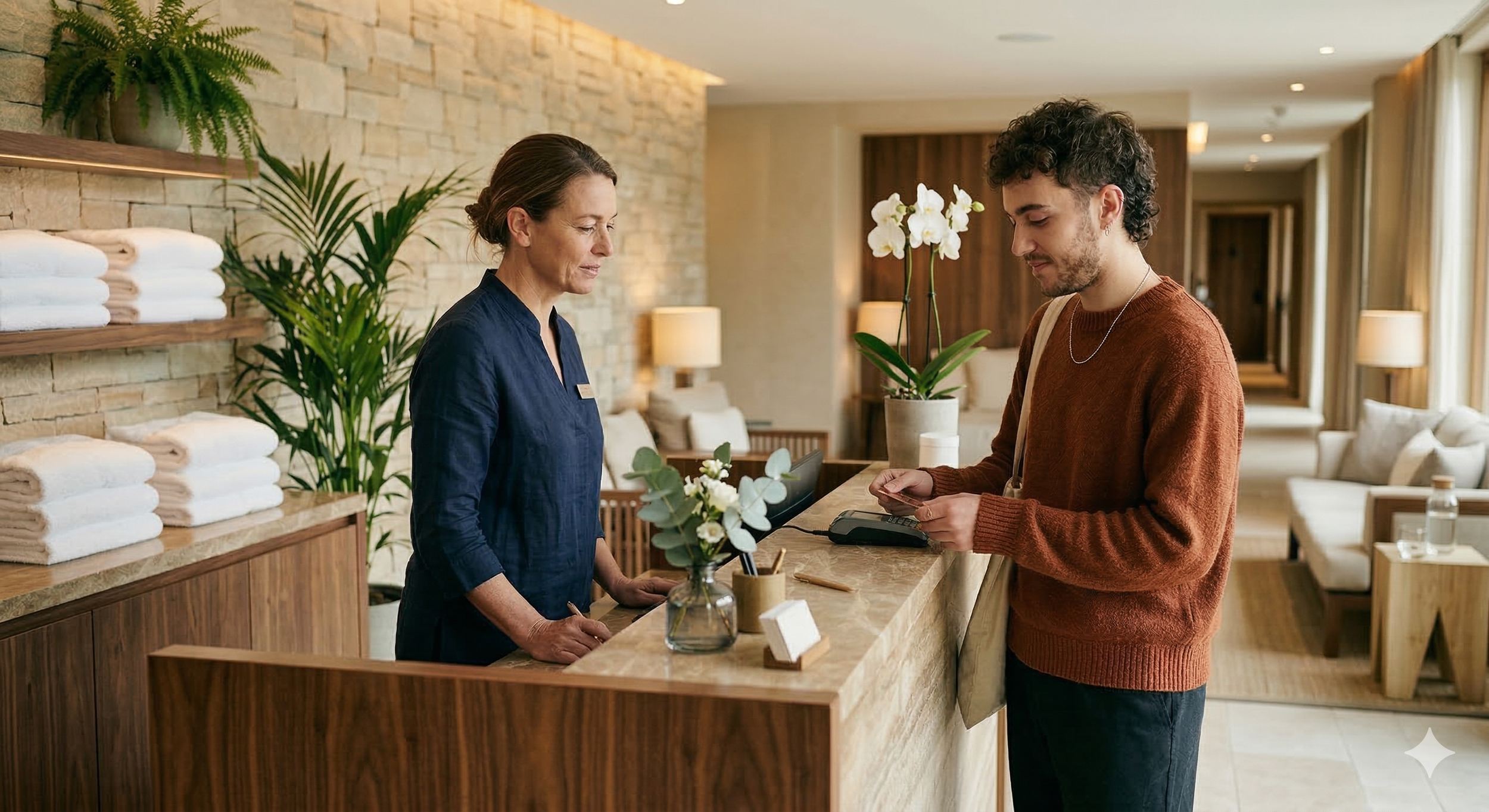
The most beautifully written Google profile and the most carefully placed pride flag in your window will not matter if a guest walks through your door in Banff and feels uncomfortable within the first 60 seconds of the interaction. Staff are the bridge between your business’s stated values and the actual experience a 2SLGBTQIA+ traveller takes home with them. Training is how you build that bridge properly.
This post is a practical starting point for tourism businesses in Canmore, Banff, and across the Bow Valley who want to equip their teams with real, usable skills. It covers why this training matters, what it needs to include, how to structure it for a seasonal workforce, and what good looks like in a mountain tourism context.
Why This Work Matters in the Bow Valley Specifically
The Bow Valley is a small, interconnected tourism economy. Word travels fast here. A guest who has a positive experience at your Canmore restaurant will recommend it. A guest who feels uncomfortable, dismissed, or othered will also share that, on review platforms, on social media, and in conversation with other travellers planning their own trips.
Research consistently shows that 2SLGBTQIA+ people are highly skilled at identifying microaggressions, both overt and subtle, and that these encounters carry significant impact. In a tourism context, that means a poorly chosen phrase at check-in, an assumed pronoun during a guided tour, or an awkward pause when two guests of the same gender request a shared room can undo everything your marketing worked to build.
This is not about training staff to perform. It is about building genuine, operational competence so that every person on your team, from the front desk to the trail guide, can welcome any guest with the same ease and confidence.
Key Term: Inclusive Guest Experience
What it is: An inclusive guest experience is one in which a visitor from any background, including any sexual orientation, gender identity, or gender expression, moves through your business feeling respected, addressed appropriately, and free from the burden of managing how they are perceived. The quality of the experience is not diminished by their identity.
What it is not: It is not the absence of discrimination. Absence of discrimination is the baseline, not the goal. An inclusive experience is actively welcoming, not merely non-hostile.
Key Term: Microaggression
What it is: A microaggression is a comment, question, gesture, or behaviour that communicates a subtle but demeaning message to a member of a marginalized group. Microaggressions are often unintentional. Research defines them as subtle forms of discrimination that can be unconscious or unintentional, yet still communicate hostile or derogatory messages toward members of historically marginalized groups.
Why it matters in hospitality: A daily diary study of transgender and gender-diverse people found that 74 percent experienced some form of microaggression within any given 10-day period. These interactions accumulate. In a guest service context, even one microaggression in a check-in or booking interaction can end the relationship between that guest and your business permanently.
The Seasonal Workforce Challenge
The Bow Valley has something that most major urban hospitality markets do not have: a workforce that turns over significantly between seasons. Hotels, restaurants, outfitters, and tour operators in Banff and Canmore regularly onboard new staff in spring and fall. This creates a real operational challenge for inclusion training.
If inclusion competency is only built into your annual team retreat or a single all-staff session in the off-season, a significant portion of your team at peak summer or winter may have had no training at all. The staff member checking in a guest on a busy Saturday in July might be three weeks into their first hospitality job.
This means inclusion training in the Bow Valley context needs to be built into your standard onboarding, not treated as a separate or optional add-on. It also means the training needs to be short enough to be completed before staff begin guest-facing shifts, and practical enough that it translates immediately into real interactions.
Effective hospitality training balances theoretical knowledge with practical application. Incorporating case studies and simulations that immerse team members in real-life scenarios helps develop communication skills and emotional intelligence. For a small Canmore hotel or a Banff rafting company, this looks less like a formal e-learning module and more like a 90-minute facilitated conversation with scenarios drawn directly from your industry.
What Inclusive Staff Training Actually Needs to Cover
Many businesses approach this topic by giving staff a list of things not to say. That is a starting point, but it is not sufficient. Staff who understand the reasoning behind inclusive language and behaviour are far better equipped to handle unfamiliar situations than staff who have been handed a rule sheet.
Here is what a solid foundational training session for Bow Valley hospitality staff should include.
1. Core vocabulary and terminology
Staff should understand the basic language of the 2SLGBTQIA+ community well enough to use it correctly and to follow a guest’s lead when they use it themselves. This includes understanding what the acronym actually stands for, why “Two-Spirit” is placed at the front and what it means within Indigenous communities, what non-binary and gender-diverse mean in practical terms, and why pronouns matter.
This does not need to be an exhaustive lecture. It needs to be enough that a staff member is not confused or visibly uncomfortable when a guest refers to their partner using she/her pronouns and that partner is visibly a woman, or when a guest uses “they/them” to refer to themselves.
Training sessions and workshops on 2SLGBTQIA+ inclusion are one of the most effective ways to increase awareness and understanding among employees. Vocabulary knowledge builds baseline confidence, which is what you need before staff can think about applying anything else.
2. Pronouns: how to use them, what to do when you get them wrong
This is the area where most hospitality staff feel the least confident and where the most avoidable microaggressions occur. The practical guidance here is straightforward.
Do not assume a guest’s pronouns based on their appearance, name, or voice. Use gender-neutral language by default until a guest’s pronouns are clear. In English, “they/them” is grammatically correct as a singular pronoun and has been used this way for centuries. There is no reason to avoid it.
Encouraging people to share their pronouns in introductions and modelling inclusive language in all communications are practical workplace steps that signal inclusion from the start. In a guest-facing context, this might look as simple as a staff member saying “What name would you like me to use for your reservation?” rather than defaulting to a name on an ID that may not reflect how a guest identifies.
When a pronoun error happens, the guidance is equally practical: correct yourself briefly, do not over-apologise, and move on. An extended apology centres the staff member’s discomfort rather than the guest’s experience. A simple “Sorry, I meant they” followed by continuing the conversation is the right response.
3. Gendered language defaults and how to avoid them
Most hospitality staff in Banff and Canmore are using gendered language in their guest interactions without realising it. Common examples include:
∙ Greeting a table with “Hey guys” or “you guys”
∙ Asking a couple “Is this for you and your wife/husband?”
∙ Referring to a room booking as “for you and your girlfriend/boyfriend?”
∙ Using “sir” or “ma’am” as default respectful address
None of these are hostile. All of them can make a guest feel that their identity is not considered normal or expected. The fix is straightforward practice.
Substitutes like “folks,” “everyone,” “you all,” or “your group” replace gendered group terms without sounding stiff. “Would your partner be joining you?” replaces assumed relationship language. Using a guest’s name, where it is known, is always preferable to any gendered honorific.
This is something that can be practised in pairs before staff begin shifts. It takes less time to build this habit than most hospitality managers assume.
4. How to handle a room or reservation when couples are not who you expected
One of the most frequently reported uncomfortable experiences for 2SLGBTQIA+ travellers in hotels is the assumption of separate sleeping arrangements for same-sex couples. True hospitality requires looking beyond guest-facing experiences to the full range of staff practices and team culture. This includes the specific skill of processing a reservation request from a same-sex couple with the same neutral professionalism used for any other booking.
Train staff to take their cue from the guest, not from their own assumptions. If a couple asks for a king bed, book a king bed. Do not ask clarifying questions about sleeping arrangements that would not be asked of a different-sex couple. If a system error has produced a double-queen booking when a king was requested, address it the same way you would for any guest: apologise for the error and find a solution.
5. Responding to bias from other guests
This is the part of inclusion training that most small businesses skip, and it is one of the most important. Staff occasionally witness other guests making derogatory comments, staring uncomfortably, or behaving in a way that targets a 2SLGBTQIA+ guest. Your team needs to know what to do.
The response does not need to be confrontational. It does need to be clear that your business will not allow a guest to make another guest feel unwelcome. Simple responses like calmly redirecting a conversation, checking in privately with the affected guest to confirm they are comfortable, or involving a manager can all be appropriate depending on the situation.
What is not appropriate is looking the other way. A 2SLGBTQIA+ guest who watches staff ignore discriminatory behaviour from another guest learns something clear about where your business’s priorities are.
6. Privacy and discretion
Not every 2SLGBTQIA+ guest is openly out in all contexts. Some guests travel to places like Banff and Canmore specifically because they feel safer being themselves there than at home. Staff should understand that a guest’s sexual orientation, gender identity, or relationship structure is not something to be commented on, discussed with other staff members, or referenced in ways that could be overheard.
Respecting employee and guest privacy, allowing voluntary identification without disclosure unless necessary, is a standard of inclusive practice. In a guest service context, this means that a team member who has had a warm conversation with a gay couple at breakfast does not then reference that couple’s relationship to another guest or colleague in a way that outs them.
What a Practical Training Session Looks Like
For a small Bow Valley business with a team of five to twenty people, a well-designed inclusion training session does not need to be a full-day retreat. It needs to be focused, scenario-based, and led by someone with genuine familiarity with the 2SLGBTQIA+ community.
A 90-minute to two-hour session built around the following structure works well for front-line tourism staff:
∙ 20 minutes: Context and vocabulary. Why this matters for this business, in this community, with these guests. Core terms explained practically.
∙30 minutes: Scenario work in pairs. Real situations drawn from hospitality settings, including check-in, tour guiding, tableside service, and phone booking. Staff practise the right language out loud.
∙20 minutes: Open questions and honest conversation. This is where assumptions surface and can be addressed without judgment.
∙15 minutes: The three things to do when something goes wrong. Getting pronouns wrong, booking errors, responding to other guests.
∙15 minutes: Resources, policies, and who to talk to. Where staff can go with questions between training sessions.
Role-playing exercises where team members take on different customer personas help them develop empathy and respond appropriately to a wide range of situations. For Bow Valley hospitality staff, the scenarios should be local and specific. “A guest comes to your desk at the Canmore hotel and mentions that their husband booked a suite, but you see two women on the reservation” is more useful than a generic exercise that could be set anywhere.
Building It into Onboarding, Not Just Annual Training
The practical step for most Bow Valley businesses is to take the core elements of inclusion training and build them into the standard new-hire onboarding process. This ensures that every person who is guest-facing, regardless of when in the season they joined the team, has had this preparation.
This does not require a large time investment. It requires deliberate design.
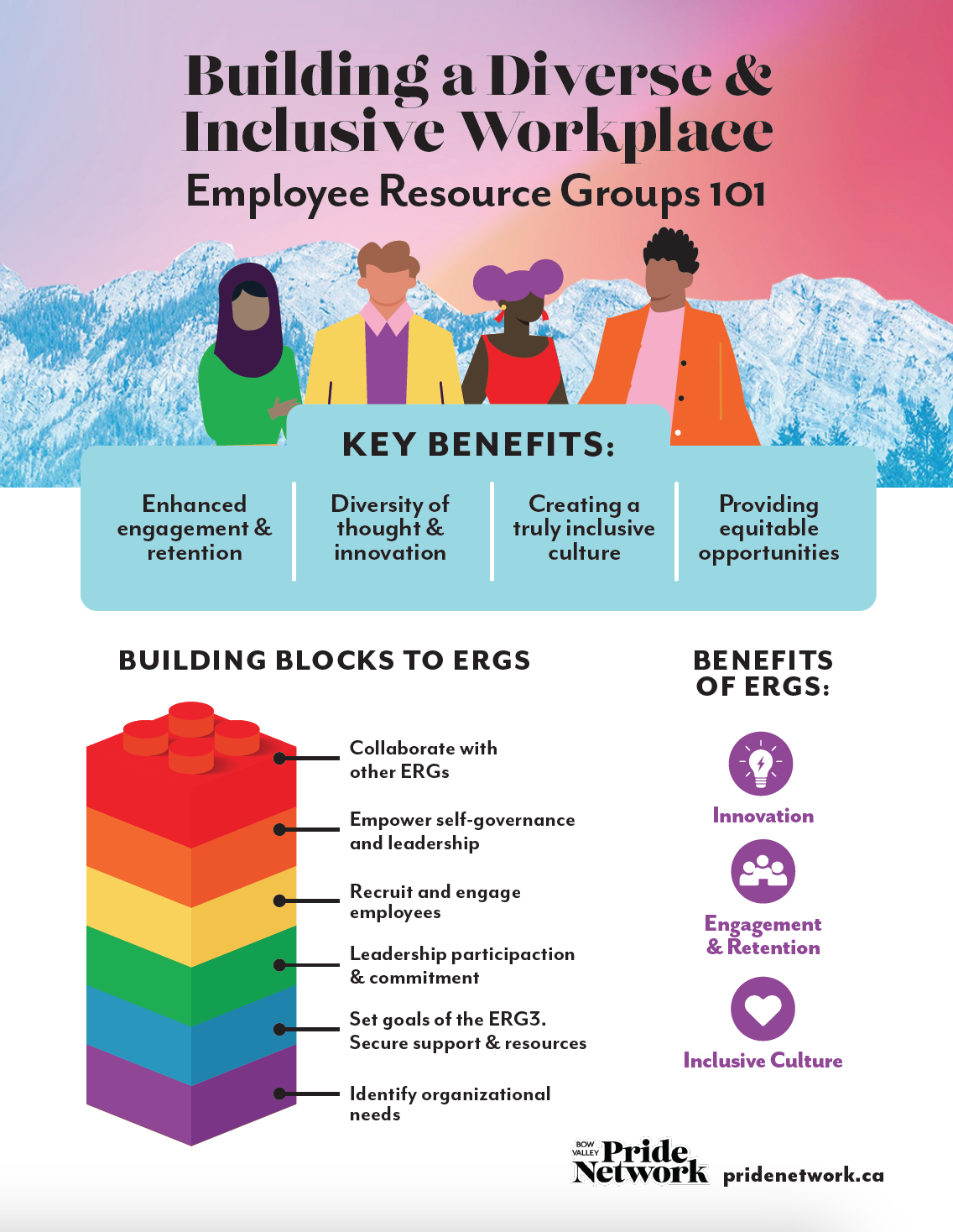
Consider adding a 20-minute inclusion orientation module to your existing onboarding process. Pair it with a clear policy document that covers inclusive language expectations, how to handle booking requests, and what to do if a guest or colleague behaves in a discriminatory way. Reference the Bow Valley Pride Network and Rainbow Registered as the framework your business operates within.
Businesses that turn their values into visible, lasting action through structured programs build both external credibility with guests and internal culture among staff. For a seasonal operation in Banff or Canmore, visible and lasting means it happens every intake, not just when someone remembers.
What Good Looks Like: Signals Your Team Is Ready
You do not need a formal assessment to know whether your team is ready. There are observable signals.
Your team is ready when:
∙ Staff use “folks” or “everyone” naturally, without being prompted
∙ A same-sex couple is greeted and served with the same ease as any other couple
∙ A staff member corrects a pronoun error quickly and without drama
∙ New hires ask questions about inclusive language in their first week because they have already been introduced to its importance
∙ A manager has had at least one real, non-performative conversation with their team about what inclusion means for this specific business
Your team is not yet ready when:
∙ Staff default to “ladies and gentlemen” or “sir/ma’am” without a second thought
∙ There is visible discomfort when a gender-diverse guest checks in
∙ No one knows what to do if a colleague makes an inappropriate comment about a guest
∙ The only time inclusion comes up is around Pride Month
The gap between these two states is not a character gap. It is a training gap. Most staff who create uncomfortable interactions for 2SLGBTQIA+ guests are not doing so with any hostile intent. They simply have not been given the tools.
A Note on Your 2SLGBTQIA+ Staff Members
If your business employs 2SLGBTQIA+ people, which in a community the size of the Bow Valley is very likely, this training matters for them too, in a different but equally important way.
Building inclusive spaces means looking beyond guest-facing experiences to the full employee experience, from HR policies and team culture to how leadership practices affect belonging. A 2SLGBTQIA+ staff member who works in an environment where colleagues use careless language, make assumptions, or treat inclusion as a tick-box exercise is being asked to absorb that cost daily. That affects retention, and in a tight labour market like the Bow Valley, retention is an operational issue, not just a values one.
Training that improves how your team treats guests also improves how your team treats each other. That is not an incidental benefit. It is a core outcome.
Getting Support for Your Team in the Bow Valley
The Bow Valley Pride Network offers DEI workshops designed specifically for small tourism businesses in Banff, Canmore, and the surrounding area. Our sessions are grounded in the realities of mountain community hospitality, including seasonal workforce challenges, the specific guest demographics coming to the Rockies, and the Alberta context your business operates within.
Book a DEI workshop for your team today. Sessions can be tailored to your team size, your industry, and the specific areas where your staff need the most support. Whether you are onboarding a new seasonal crew or refreshing your existing team’s skills, we will build a session that is practical, honest, and worth your team’s time.