From Dreaming to Departure: How to Build a Truly Inclusive Guest Journey in Banff
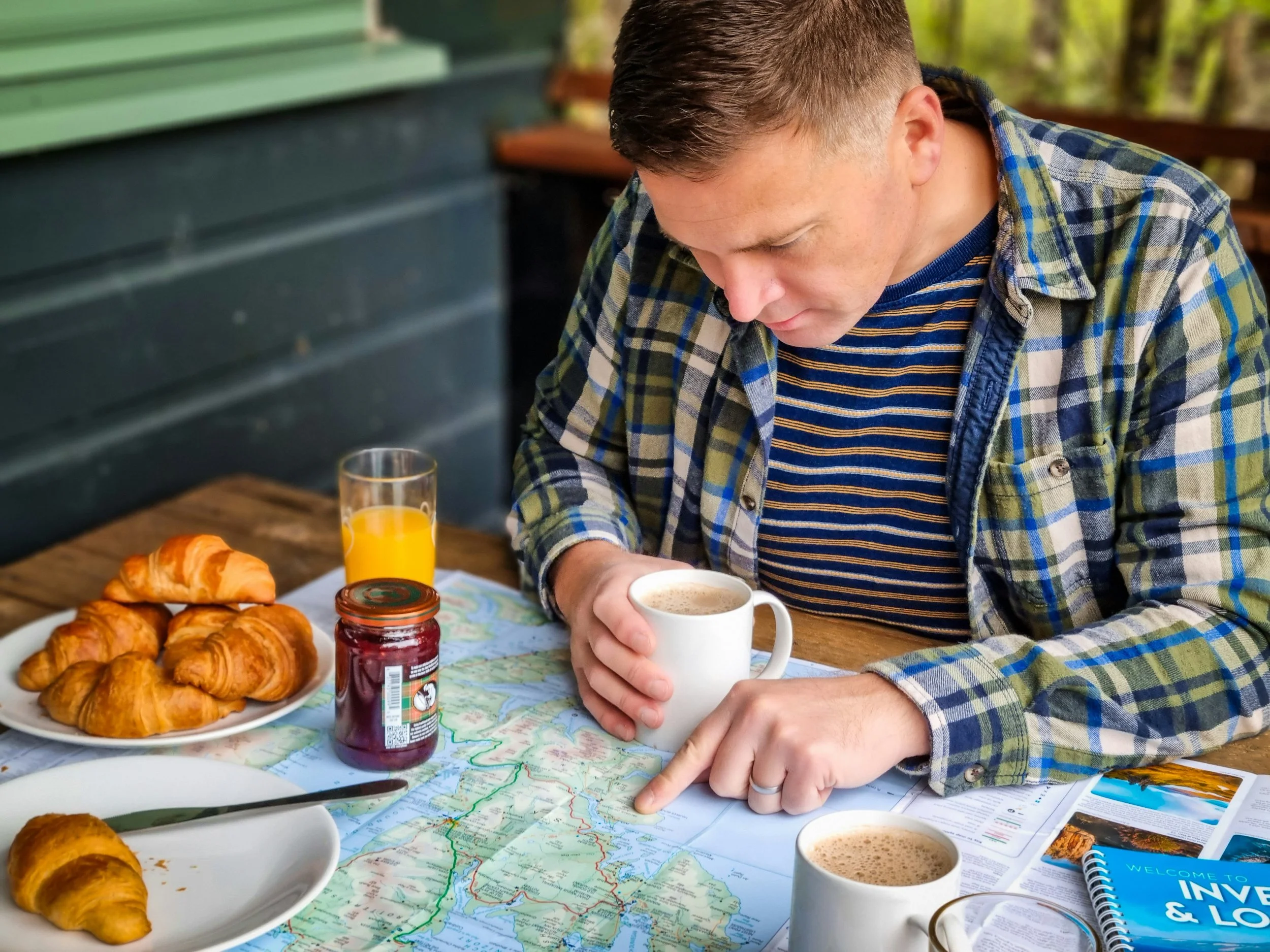
Photo by Johnny Briggs
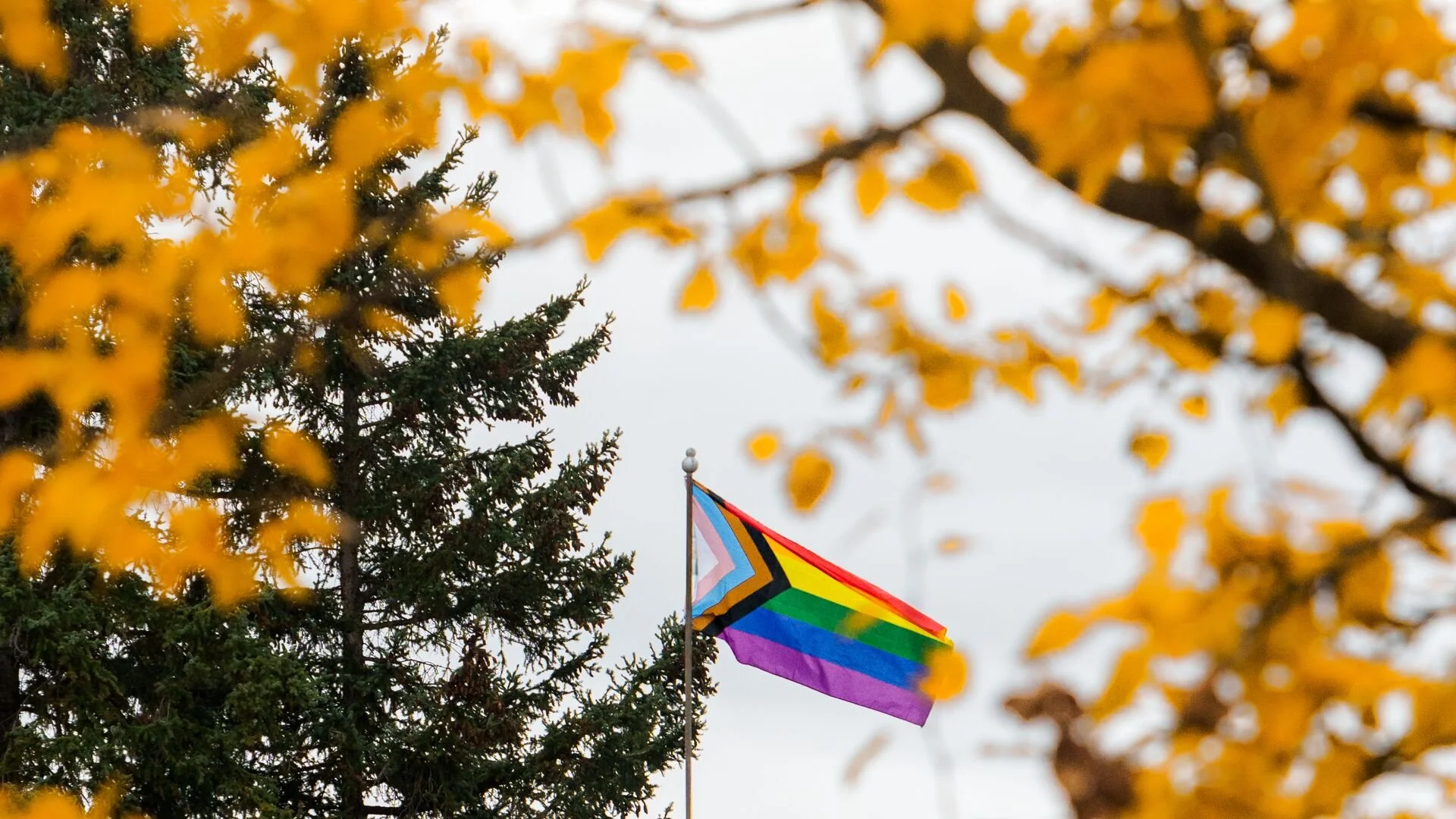
Inclusivity isn't a checkbox. It's not a rainbow flag in a window or a single line in your booking policy. For Banff tourism operators, genuine inclusivity means showing up for every guest, at every single touchpoint from the first scroll through Instagram to the moment they leave a review on the drive home.
The Bow Valley has something genuinely special to offer: breathtaking landscapes, rich Indigenous heritage, vibrant community culture, and a growing network of tourism partners who are committed to doing better. But aspiration alone doesn't make a traveler feel safe. Design does.
Here's how to think about inclusivity not as a standalone initiative, but as something woven through the entire guest experience, stage by stage.
Stage 1: Dreaming & Inspiration — "Do people like me belong here?"
Before a guest books anything, they're asking a quiet but powerful question: Is this place for me?
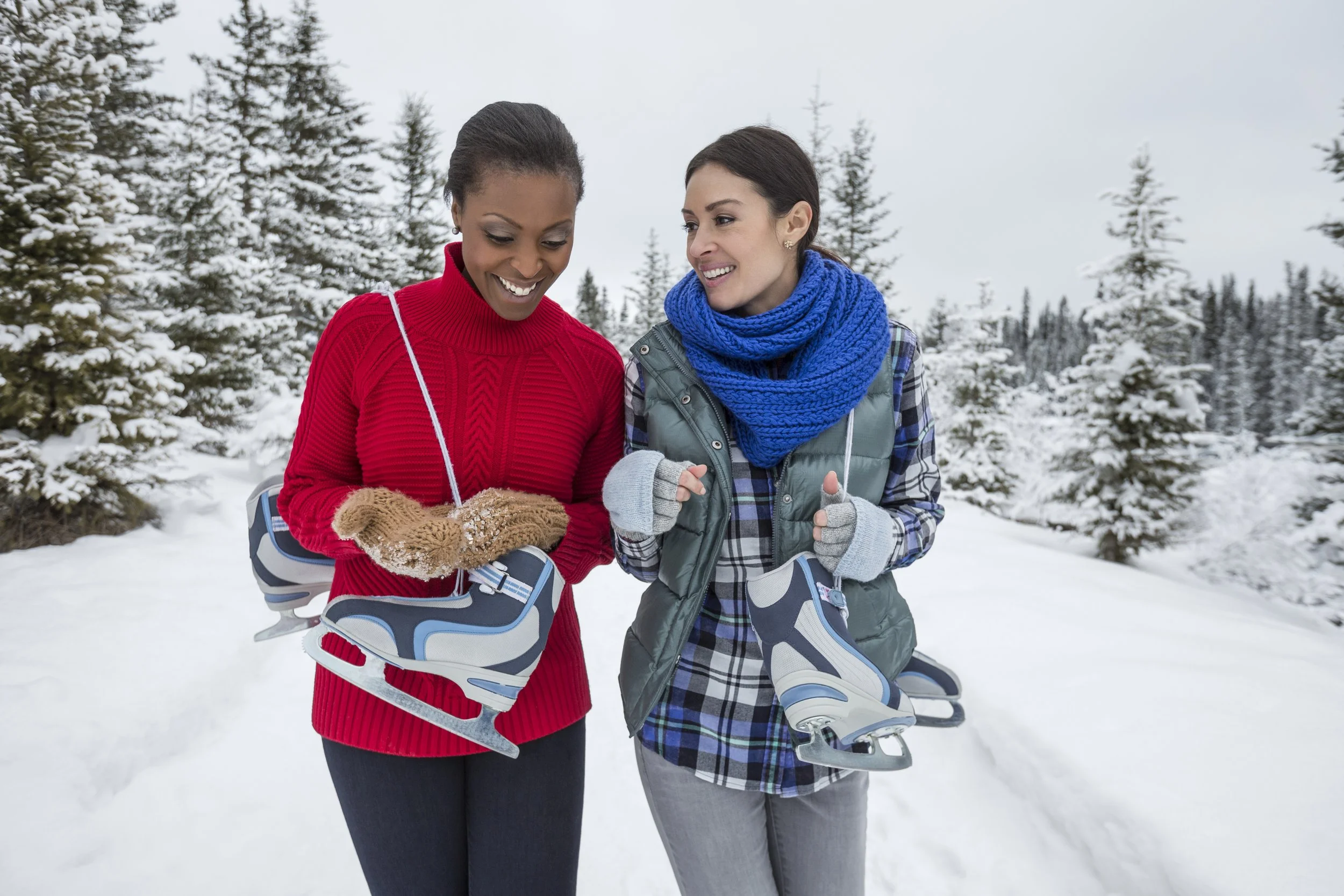
For travelers who are Black, Indigenous, or racialized; for queer and trans people; for older adults, disabled travelers, or non-traditional families, the answer often comes from what they see in your imagery and storytelling, not what you say.
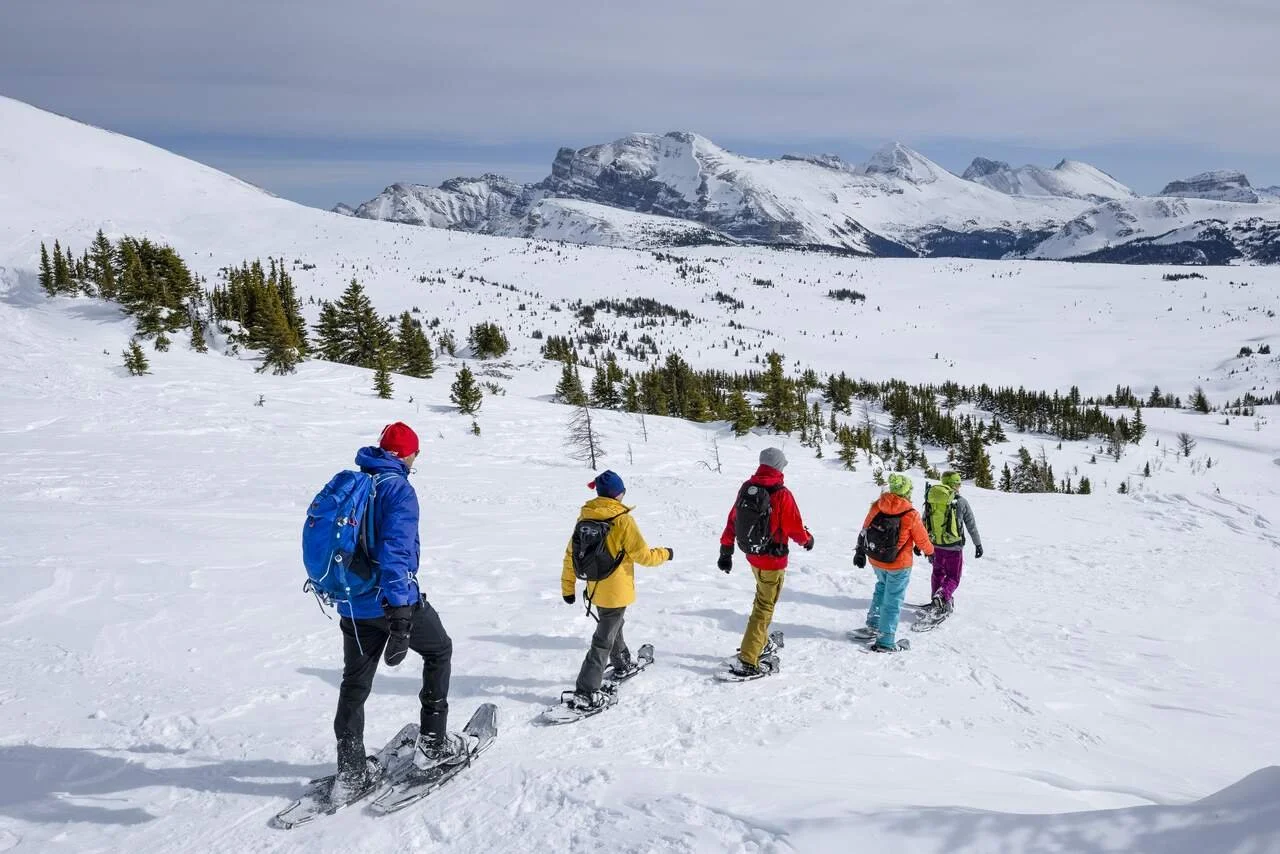
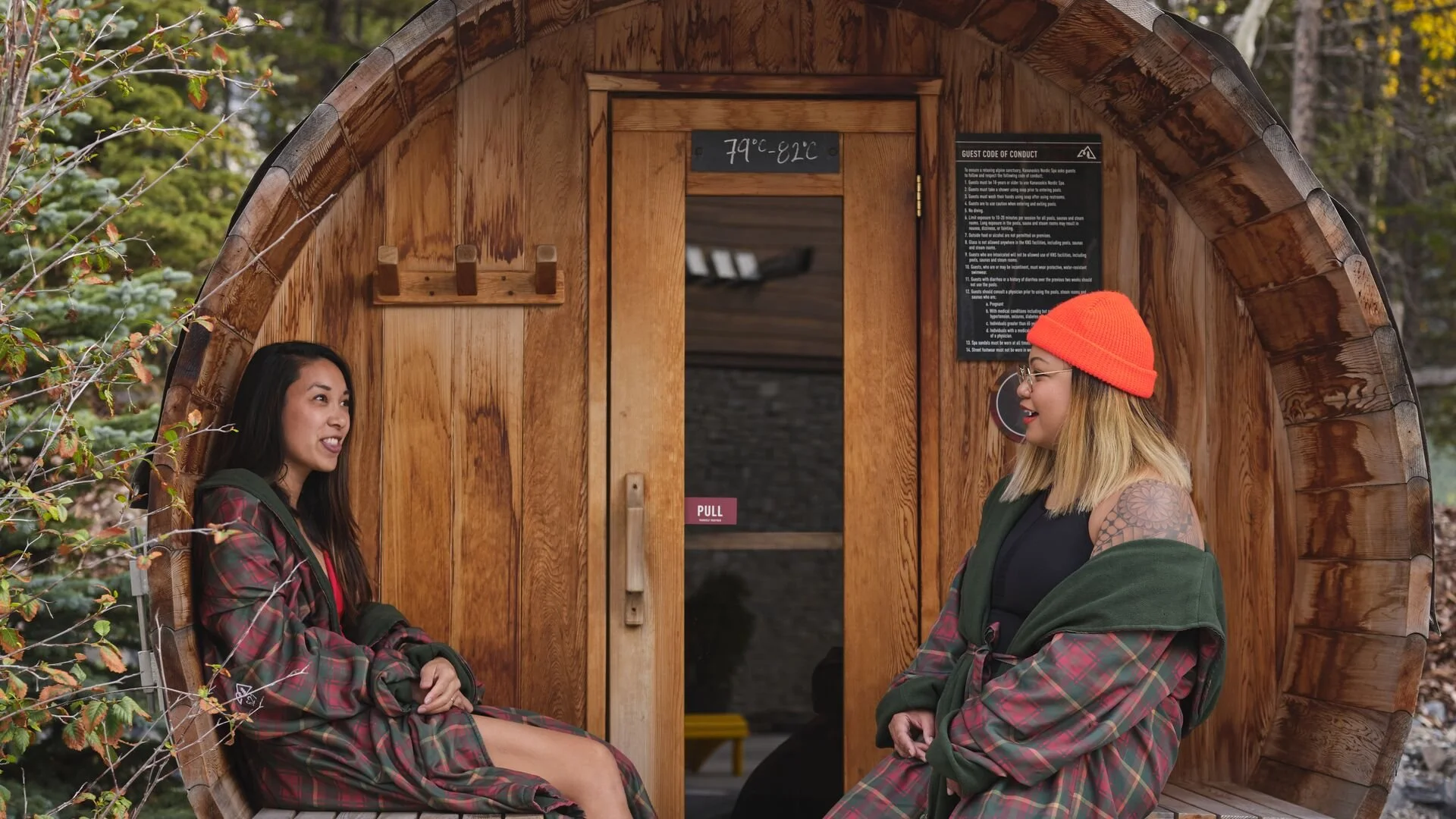
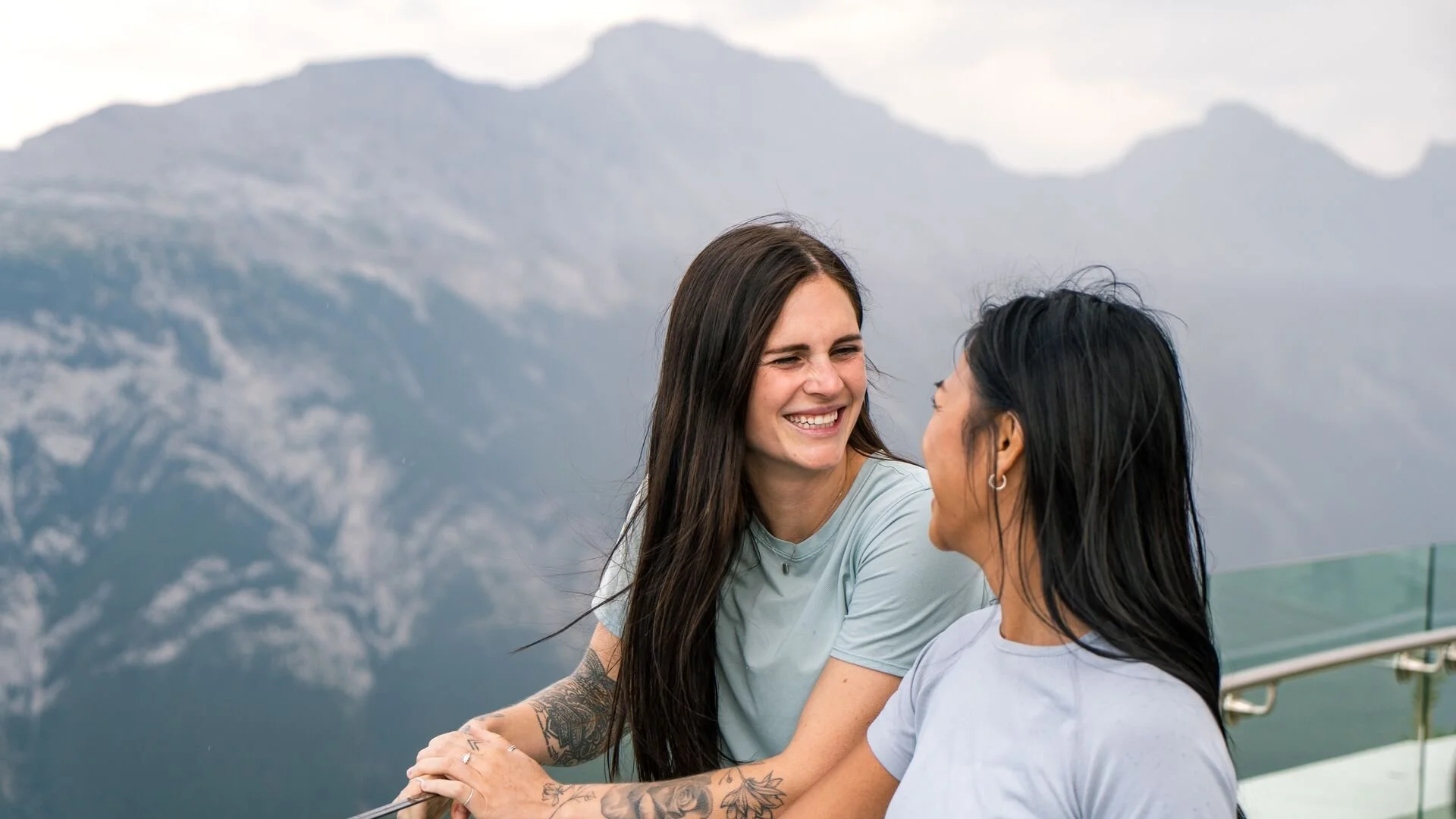
What this looks like in practice: Audit your social media and website hero photography. Are you featuring a diverse range of bodies, ages, family configurations, and skin tones actually enjoying Banff? Are you sharing stories of Banff Pride events, Indigenous-led experiences, or accessible mountain adventures? Representation signals safety. Authentic, joyful representation signals belonging.
Stage 2: Planning & Research — Building Trust Before They Arrive
Once a traveler is interested, they go deep. Disabled guests need to know exactly what "accessible" means for your property, not just that you have a ramp, but whether the shower has a roll-in entry, whether there's step-free access to the dining room, whether service animals are genuinely welcome. 2SLGBTQIA+ travelers look for signals like Rainbow Registered status or Bow Valley Pride certification. Families want to know what's free, what's affordable, and how to pace a trip across generations.
What this looks like in practice:
Build a dedicated Accessibility & Inclusion page. Be specific, not generic
Clearly communicate your 2SLGBTQIA+ inclusive policies and certifications
Highlight your partnerships with Indigenous tourism providers and what respectful participation looks like
Offer sample itineraries tailored to different needs: a wheelchair-user's day in Banff (gondola, Cave & Basin, accessible dining), a queer couple's Pride weekend, a multigenerational family on a realistic budget
The operators who do this well aren't just answering questions, they're removing the anxiety that prevents diverse travelers from booking at all.
Stage 3: Booking — Reflect Their Reality in Your Forms
Booking is where many businesses accidentally signal exclusion without realizing it. A form that only allows "Mr." or "Mrs." tells a non-binary guest something about how they'll be treated when they arrive. A system that doesn't allow for service animal notes or accessibility requirements forces guests to make awkward phone calls or give up.
What this looks like in practice:
Use open-text name and title fields
Include optional pronoun fields
Provide clear, accessible fields for dietary needs and accessibility requirements
For complex access needs (say, an accessible room with a roll-in shower and a fridge for medication), follow up with a real, human confirmation — not just an automated email
Transparent pricing matters here too. Visible family deals, shoulder-season rates, and social tourism partnerships tell guests you've thought about affordability as part of access.
Stage 4: Pre-Arrival — Reassurance Is a Product
The gap between booking and arrival is where anxiety can build, especially for guests with specific access needs or those traveling somewhere new as a member of a marginalized group. A well-crafted pre-arrival email doesn't just confirm a reservation; it delivers peace of mind.
What this looks like in practice:
Send tailored pre-arrival emails based on what guests have indicated: photos of accessible entrances and bathrooms; Pride event listings for guests who opted in; family adventure tips for multi-generational bookings
If guests have booked Indigenous experiences, include brief, respectful guidelines on participation, grounded in Indigenous Tourism Association of Canada protocols
This is hospitality happening before guests even pack their bags.
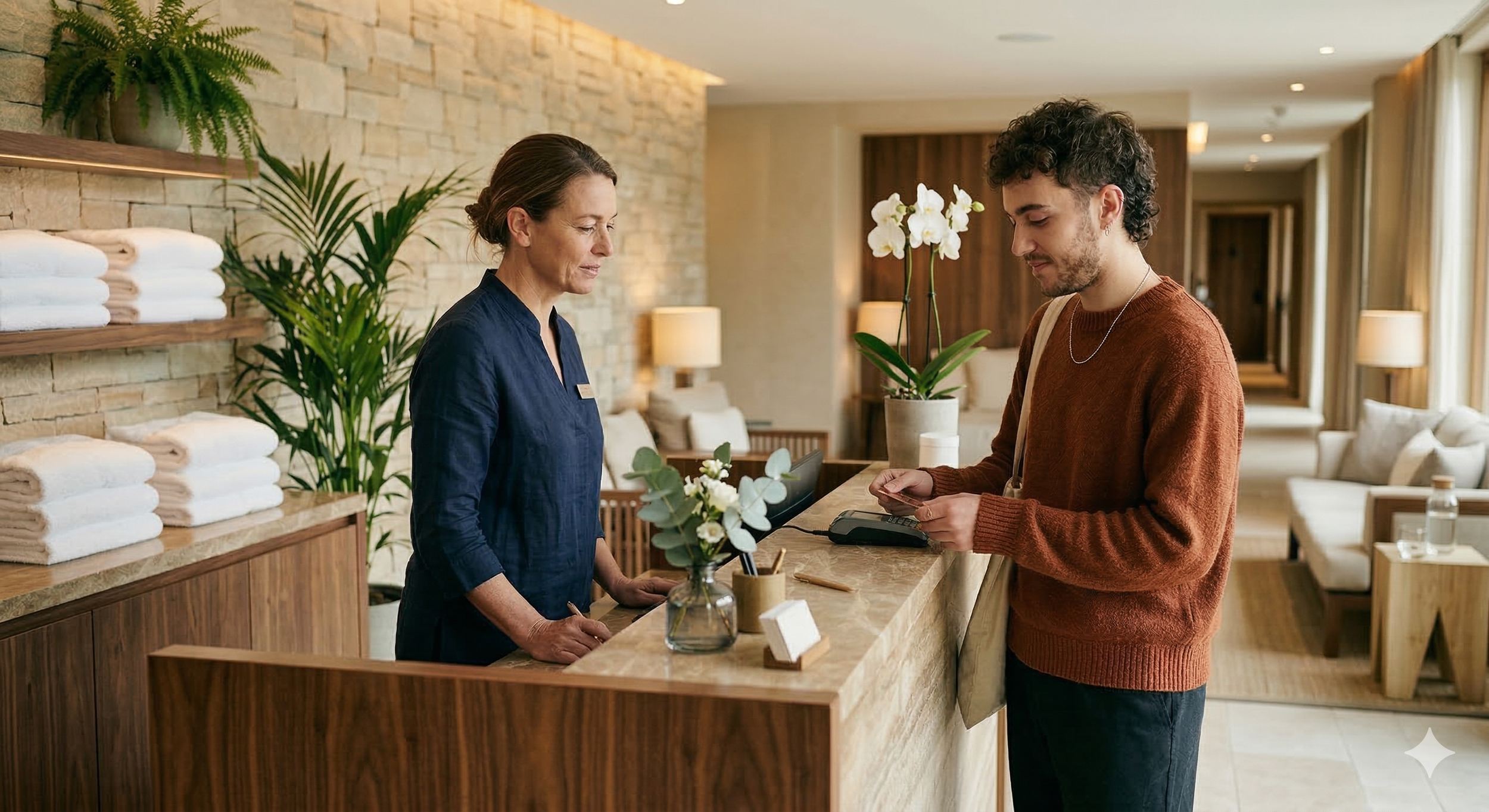
Stage 5: Arrival & Check-In — The First 60 Seconds Matter Most
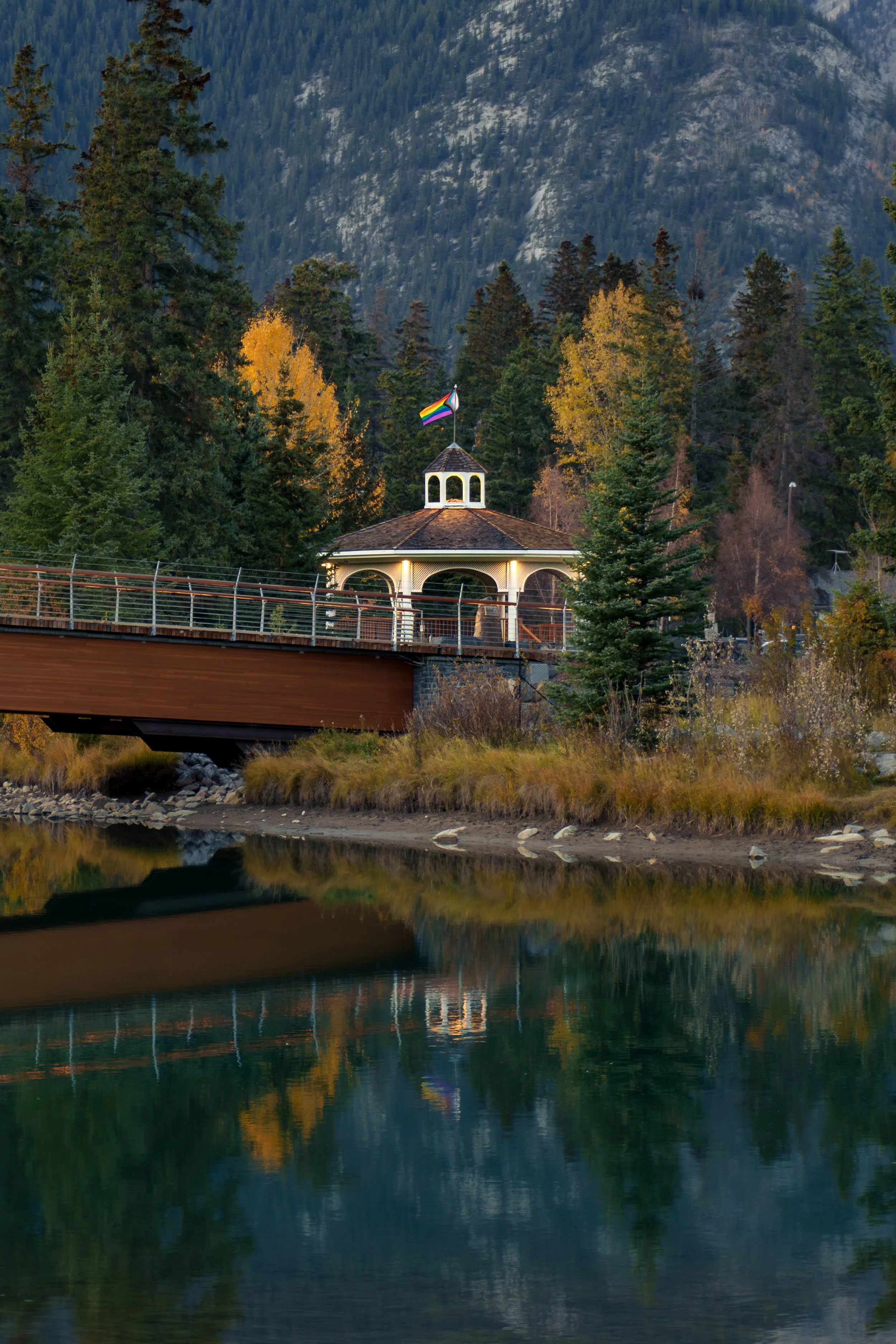
The moment a guest walks through your door, they're reading the room. Literally. What does your signage communicate? Are there Pride symbols, accessibility icons, and land acknowledgements developed in genuine partnership with Indigenous communities? Is there an all-gender washroom nearby, and is it clearly marked?
And just as importantly, how does your team show up?
What this looks like in practice:
Train staff to use inclusive greetings and correct pronouns naturally, not performatively
Equip your team to handle unexpected access needs calmly, without making guests feel like a burden
Prepare clear protocols for responding to racist, ableist, or homophobic incidents, because having a policy only matters if staff know how to act on it
Guests who feel seen at check-in carry that feeling through their entire stay.
Stage 6: During the Experience — Flexibility Is the New Standard
An inclusive experience isn't one where nothing goes wrong, it's one where when something does go wrong (weather, terrain, equipment), the team adapts without blame and without making guests feel responsible for inconveniencing others.
What this looks like in practice:
Offer alternative routes or activities when conditions limit accessibility, proactively, not reactively
Incorporate storytelling that reflects Indigenous, and racialized histories honestly and with community guidance
Create quiet spaces or low-stimulation options for neurodivergent guests and young children
For multigenerational groups, make it easy for the group to split and rejoin with clear meeting points and simple communication options
The goal isn't a frictionless experience, it's a responsive one.
Stage 7: Departure & Post-Trip — Close the Loop
The guest journey doesn't end at checkout. What you do after a visit can either deepen loyalty or confirm that feedback goes nowhere.
What this looks like in practice:
Send short, optional post-visit surveys with specific questions about accessibility, cultural safety, and inclusion
Share back what you've changed: "You told us X, so we did Y." This builds trust that's worth more than any ad campaign
Invite diverse guests to contribute stories and photos (with clear consent) to help inspire future travelers who see themselves represented
The Bigger Picture

Photo by Jon Tyson
Banff is one of a kind. The question isn't whether it's worth visiting, it's whether every person who wants to experience it feels genuinely invited to do so.
Operators who embed inclusivity into every stage of the customer journey aren't just doing the right thing. They're building the kind of loyalty, word-of-mouth, and reputation that outlasts any marketing campaign. Diverse travelers talk. They share. They return to places that made them feel like they belonged.
The Bow Valley Pride Network is here to support you on this journey through certification, training, community connection, and ongoing resources. Because a more inclusive Banff isn't just better for guests. It's better for all of us who call this valley home.