How Bow Valley Businesses Can Authentically Market to 2SLGBTQIA+ Travellers: A Practical Guide
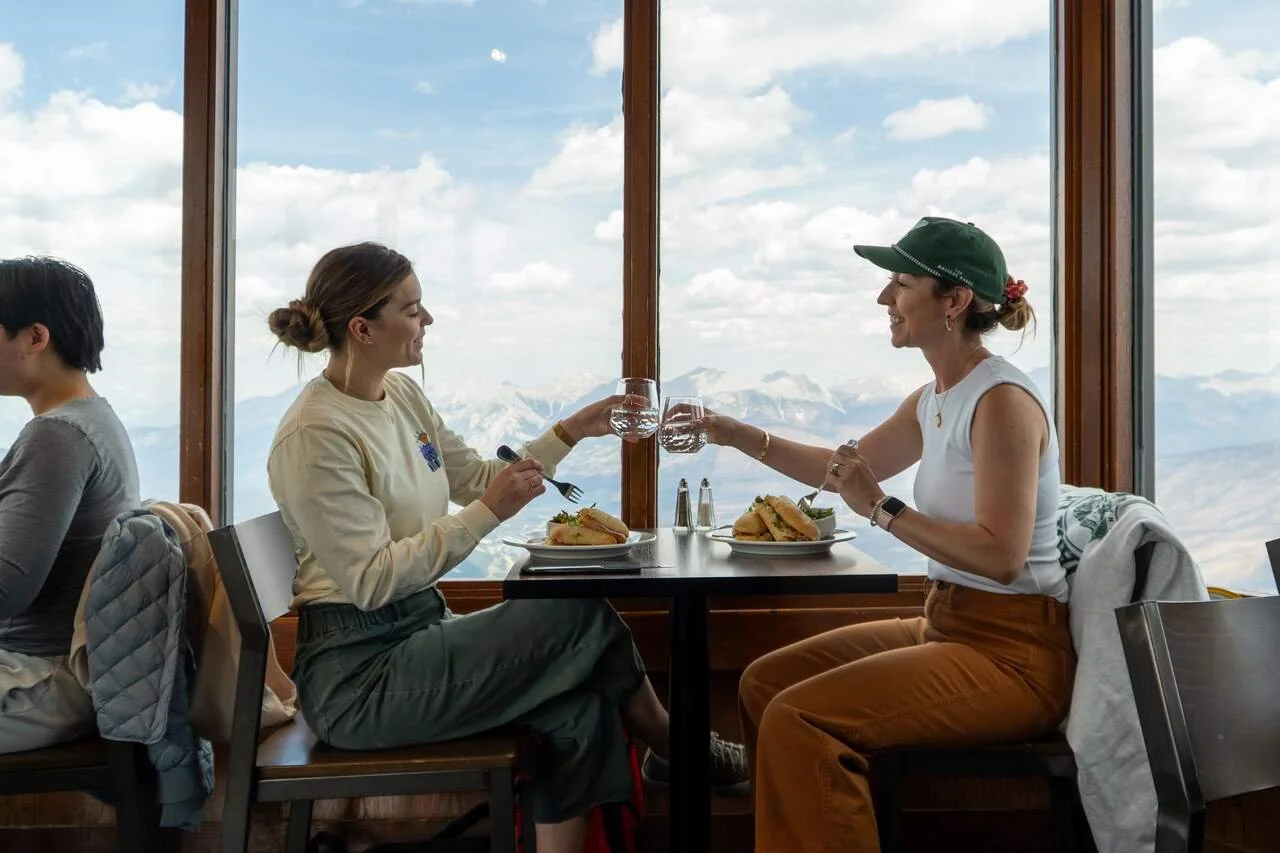
Credit: Travel Alberta : Nancy Ferreira
2SLGBTQIA+ travellers are not a niche market. They are one of the most economically active travel segments in Canada, and they are actively choosing where to spend their money based on how welcome they feel. For businesses in Banff, Canmore, and across the Bow Valley, this is both an opportunity and a responsibility.
This guide will walk you through what authentic, effective marketing to 2SLGBTQIA+ travellers actually looks like. It covers the difference between performative gestures and genuine inclusion, how to update your online presence, what your messaging should and should not say, and where to start if you are new to this work.
Why This Matters for the Bow Valley
The Bow Valley is built on tourism. The region draws visitors from across Canada and around the world, and the expectations those visitors bring with them are changing. Canada’s 2SLGBTQI+ travel market is valued at over $12 billion annually, and 90 percent of 2SLGBTQIA+ Canadian travellers actively seek domestic travel opportunities. That is a significant pool of travellers who are already looking for reasons to come to places like Banff and Canmore.
Research from Canada’s Queer Chamber of Commerce (CQCC) shows that 2SLGBTQIA+ travellers spend an average of about $1,800 per trip, higher than most travellers. For a small, seasonal tourism economy like the Bow Valley, that per-trip value matters.
What makes this particularly relevant for mountain communities is what 2SLGBTQIA+ travellers are actually looking for. They want outdoor experiences, adventure, hiking, and camping. They are not only looking for urban hotspots or city Pride festivals. Banff and Canmore already offer exactly those things. The question is whether local businesses are communicating that 2SLGBTQIA+ visitors are genuinely welcome here.
-
What it is: Rainbow washing is when a business uses 2SLGBTQIA+ symbols, language, or imagery in its marketing without backing that up with real internal practices, policies, or community investment. It is a performative gesture rather than a genuine commitment.
Why it matters: Research from the Journal of Advertising found that 2SLGBTQIA+ consumers are highly attuned to organizational context, not just ad content. They evaluate whether a brand’s everyday actions match its public messaging before extending trust. Getting this wrong does not just fail to attract the audience you are hoping to reach. It actively damages your reputation with them.
The good news for small businesses: Studies show that 2SLGBTQIA+ consumers are significantly more forgiving of small, independently run businesses that are “trying with their marketing” than they are of large corporations. Smaller companies are held to a different and more accessible standard.
-
What it is: Inclusive tourism means creating travel experiences where people from all backgrounds, including 2SLGBTQIA+ travellers, feel genuinely safe, represented, and valued. It goes beyond non-discrimination policies to actively signal welcome through staff behaviour, physical space, marketing, and community connection.
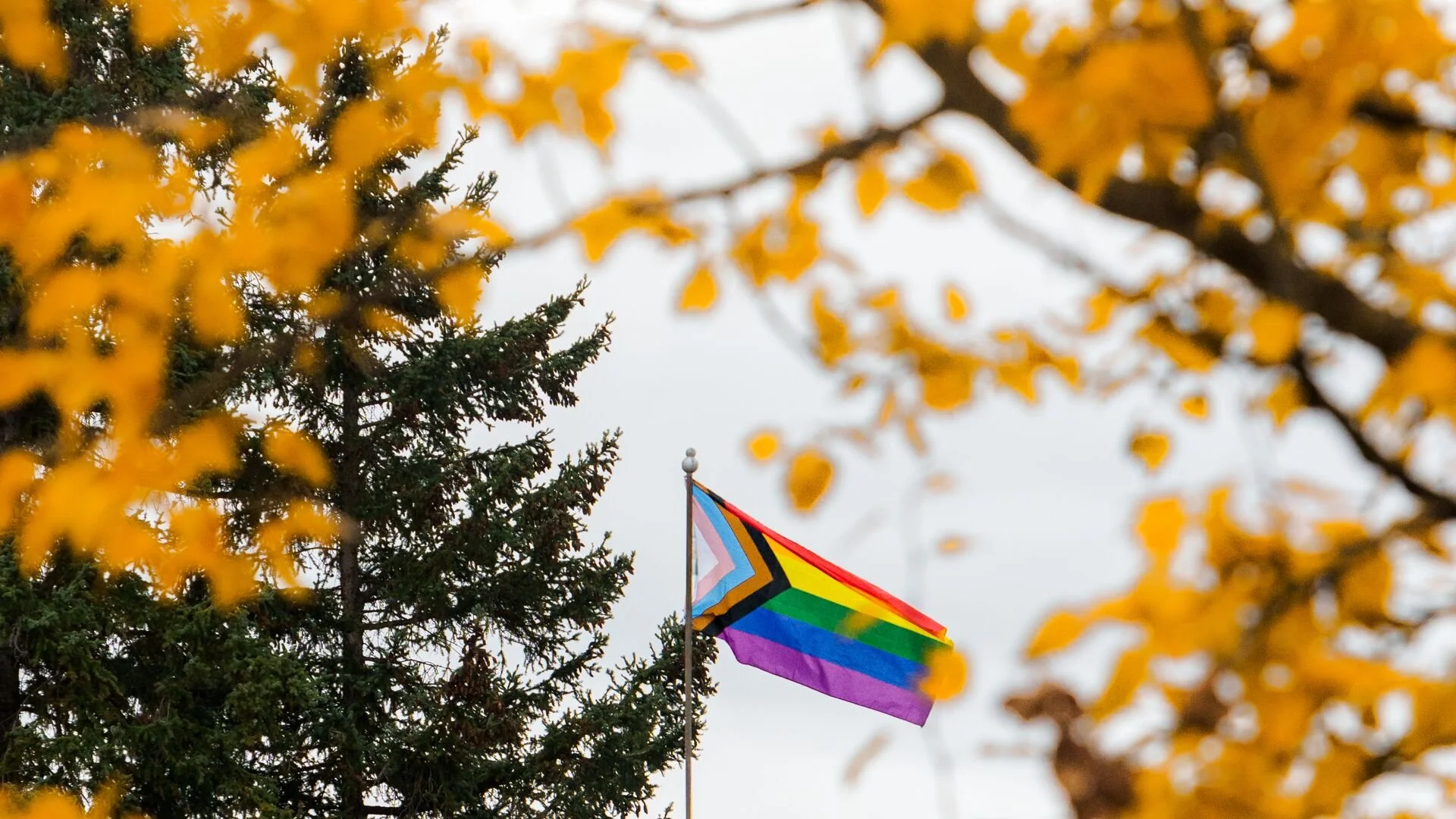
What it is not: It is not a seasonal campaign. It is not a pride flag in the window during June. It is an ongoing operational commitment that shows up in how your team communicates, how your website is written, and how your business engages with its community year-round.
The Foundation: Inside Before Outside
Before you update your website or write a single post targeting 2SLGBTQIA+ travellers, the first step is internal.
Canada’s 2SLGBTQI+ Chamber of Commerce is clear on this point: before inviting 2SLGBTQIA+ travellers to your destination, make sure your workplace is already an inclusive environment for 2SLGBTQIA+ employees and customers. That means reviewing your hiring practices, your internal policies, your bathroom signage, how staff are trained to address guests, and whether your team is equipped with basic inclusive vocabulary.
This is not about checking boxes. It is about making sure that the experience a traveller has when they arrive matches what your marketing promised them. A 2021 Booking.com study found that 53 percent of 2SLGBTQIA+ travellers have had unwelcoming, uncomfortable, or awkward encounters at hotels, including staff assuming that couples would need separate rooms or beds. In a region like the Bow Valley, where word-of-mouth and online reviews drive repeat visitation, a single uncomfortable interaction can travel far.
Starting points for internal readiness:
∙ Review your intake and reservation forms for unnecessary gendered assumptions
∙ Train front-of-house staff on inclusive language and appropriate greetings
∙ Make all-gender washroom options available where possible, or clearly sign existing ones
∙ Review your HR policies to confirm they explicitly cover sexual orientation and gender identity
The Bow Valley Pride Network offers workshops designed specifically for tourism businesses in Banff and Canmore. If you are not sure where your business currently stands, that is a good place to begin.
What Authentic Online Presence Actually Looks Like
Your website and social media are often the first place a 2SLGBTQIA+ traveller encounters your business. Research on diverse travel marketing found that travellers from marginalized communities go to a destination’s website specifically to look for a welcoming vibe, language, or messaging that signals different identities are welcome. They are not passive. They are actively reading for cues.
Here is what to look for and what to do.
Your Website
Representation in photography: Review the images on your website. Do they show a diverse range of guests? Do any of them include same-sex couples, non-binary people, or gender-diverse individuals in ordinary, not performative, contexts? This does not mean staging a photoshoot with a rainbow flag. It means making sure your imagery reflects the reality that your guests come from many different communities. GLAAD and Getty Images have developed a guidebook with best practices for visual storytelling that accurately reflects the 2SLGBTQIA+ community across all aspects of identity, which is a practical reference point for any business reviewing its visual content.
Language throughout the site: Audit for gendered assumptions. Language like “for couples and families” is fine. Language that assumes a couple is a man and a woman, or that frames your property as suited to “husbands and wives,” excludes people without ever meaning to. Small language adjustments carry significant signal value.
A direct statement of welcome: This does not need to be lengthy or dramatic. A clear, specific sentence on your About page or FAQ stating that your business welcomes guests of all sexual orientations and gender identities communicates something meaningful. It is more specific and therefore more credible than vague language about being “a place for everyone.”
Evergreen content: Destination marketers are advised to create year-round content that speaks to the 2SLGBTQIA+ community, from local Pride events to 2SLGBTQIA+-friendly dining and accommodation options. For a Bow Valley business, this might mean a blog post about accessible trails, a guide to Canmore’s community events, or a profile of local 2SLGBTQIA+-owned businesses worth visiting. Content that exists in June and disappears in July does not build trust.
Google Business Profile and Booking Platforms
Update your Google Business Profile to include the “LGBTQ+ friendly” attribute. This is a searchable tag that 2SLGBTQIA+ travellers actively use when researching destinations. It takes about two minutes to add and has direct impact on discoverability.
Check whether any third-party platforms you list on, such as Booking.com, Expedia, or Airbnb, offer similar tags or certifications. Apply for them. Booking.com’s Travel Proud program, for example, includes a visible badge on listings that signals to travellers that a property has completed inclusion training and has a designated staff representative committed to that standard.
Social Media
Year-round visibility matters more than volume. Posting inclusive content only during Pride Month is one of the most common signals of rainbow washing, and 2SLGBTQIA+ audiences notice it. A more effective approach is to weave inclusive representation and language into your regular content calendar throughout the year.
Authentic brands hire queer creatives and partners year-round, donate to 2SLGBTQIA+ nonprofits, tell genuine stories from within the community, and maintain a consistent commitment to inclusion in their everyday content. For a small Bow Valley business, this might mean sharing a post about the Bow Valley Pride Network’s programming in September, featuring a staff member who is openly part of the community (with their consent), or simply using inclusive language consistently in all your captions and responses.
Writing Marketing Copy That Is Honest and Specific
This is where many businesses struggle. They want to communicate welcome but are unsure how to do it without sounding forced, tokenistic, or like they are trying too hard.
The answer is specificity. Vague language like “we welcome all guests” lands flat because it is the minimum any business is expected to say. Specific language communicates that you have actually thought about this.
Examples of the difference:
Vague: “We are proud to be an inclusive business.”
Specific: “Our team has completed 2SLGBTQIA+ inclusion training through the Bow Valley Pride Network. We are Rainbow Registered and committed to making every guest feel genuinely at home in the Rockies.”
Vague: “Everyone is welcome here.”
Specific: “Whether you are a solo traveller, a same-sex couple, or a family with gender-diverse kids, our team is here to make your Canmore stay comfortable and memorable.”
Specific language also signals that your welcome extends to the full breadth of the 2SLGBTQIA+ community. It is worth noting that 2SLGBTQIA+ is not a monolith. The CGLCC’s tourism research identifies distinct traveller types within the community, each with different priorities, from cultural exploration to adventure, budget travel to luxury experiences. A welcoming message does not need to try to address every type. It just needs to be honest about what you offer and clear that all types of people are genuinely welcomed.
What to avoid:
∙ Overloading copy with symbols and buzzwords without substance behind them
∙ Limiting 2SLGBTQIA+ representation to June content
∙ Using language that implies 2SLGBTQIA+ guests are special-case visitors rather than regular customers
∙ Making claims you have not operationally backed up
Accreditation: Rainbow Registered
What it is: The Rainbow Registered program, run by Canada’s 2SLGBTQI+ Chamber of Commerce (CGLCC), is Canada’s national accreditation standard for businesses that have demonstrated a meaningful commitment to 2SLGBTQIA+ inclusion. To earn accreditation, a business must meet rigorous standards ensuring 2SLGBTQIA+ customers consistently feel safe and included, and that commitment begins internally.
For Bow Valley businesses, pursuing Rainbow Registered status accomplishes two things. First, it gives you a credible, third-party-verified signal to display on your website, booking profiles, and physical premises. Second, it provides a structured framework for doing the internal work in a supported way, rather than figuring it out on your own.
The CGLCC also offers destination audits designed to assess a business’s current 2SLGBTQIA+ market readiness and provide a concrete roadmap for improvement. This is a useful starting point for any Alberta tourism business that is serious about entering this market intentionally.
Working with 2SLGBTQIA+ Content Creators
Partnering with 2SLGBTQIA+ content creators who are already trusted voices in the community is one of the most effective ways a Bow Valley business can reach this audience authentically. A creator who has an established relationship with their audience will communicate welcome in a way that no amount of brand copy can replicate.
This works best when the partnership is genuine. If a queer travel creator has a great experience at your Canmore hotel or on your Banff hiking tour, their story will carry real weight with their community. That requires the experience itself to be good, which brings everything back to operational readiness.
The CGLCC’s product development guidelines recommend using a diverse range of suppliers that represent the 2SLGBTQIA+ community and finding local “tastemakers” to feature prominently in your offering. In a tight-knit region like the Bow Valley, these connections are often closer than they appear. The Bow Valley Pride Network is a practical starting point for identifying community members who may be interested in collaborative storytelling.
A Note on the Alberta Context
The Bow Valley operates within an Alberta context where conversations about 2SLGBTQIA+ inclusion can carry additional weight and occasionally encounter friction. This is worth naming directly, not to create alarm, but to give businesses a clear-eyed picture of the environment they are navigating.
2SLGBTQIA+ travellers, particularly those from urban centres or from outside the province, will research whether a destination feels safe before they commit to it. Safety is the single value that 2SLGBTQIA+ travellers rank significantly higher than their mainstream counterparts when choosing a destination. For businesses in Banff and Canmore, this means that actively signalling welcome is not optional if you want to compete for this market. Silence reads as uncertainty.
At the same time, many Bow Valley businesses already know their community well. The Bow Valley has a history of attracting progressive, internationally minded visitors and workers. Framing your inclusive marketing as an extension of the region’s existing values, hospitality, outdoor accessibility, and cultural openness, tends to land well with local audiences and is consistent with the brand identities many Bow Valley businesses have already built.
A Simple Action Checklist for Bow Valley Businesses
Getting started does not require a full rebrand or a large budget. It requires intention and follow-through.
This week:
∙ Add the “LGBTQ+ friendly” attribute to your Google Business Profile
∙ Review your website’s photography for representational gaps
∙ Check your booking platform profiles for available inclusive tags
This month:
∙ Audit your website copy for gendered assumptions and update where needed
∙ Write one piece of evergreen content that speaks to 2SLGBTQIA+ travellers in specific, not generic, terms
∙ Connect with the Bow Valley Pride Network to learn about upcoming inclusion training
This quarter:
∙ Complete or enroll in 2SLGBTQIA+ inclusion training for your team
∙ Research and begin the Rainbow Registered accreditation process through CQCC
∙ Identify one 2SLGBTQIA+ content creator or community organization in the region to build a relationship with
Ready to Take the Next Step?
The Bow Valley Pride Network works directly with businesses in Banff, Canmore, and across the Bow Valley to build the internal readiness that makes inclusive marketing credible. Book a DEI workshop for your team today. Our sessions are designed specifically for small tourism businesses in rural and mountain communities, and they give your staff practical tools they can use immediately.