

Inclusive Tourism
in Banff & Alberta
Inclusive tourism ensures that every visitor feels welcomed, respected, and safe throughout their travel experience. For 2SLGBTQIA+ travellers, this means destinations where hospitality teams understand inclusive language, policies protect guests from discrimination, and businesses actively demonstrate their commitment to welcoming diverse visitors.
In Banff, Canmore, and across Alberta’s Bow Valley, tourism businesses play an important role in creating those experiences. The Bow Valley Pride Network works with hospitality providers, tour operators, retailers, and community organizations to strengthen inclusive tourism through training, practical resources, and collaboration.
Whether you manage a hotel, restaurant, attraction, or tourism service, this guide explains how inclusive tourism practices can support both visitors and local businesses. If you are new to the topic, you may also want to explore our guide on why inclusive tourism matters for Bow Valley businesses.
Explore the
Inclusive Tourism Guide
Creating inclusive tourism experiences involves multiple aspects of hospitality operations, from guest communication and workplace culture to marketing and destination storytelling.
Use this guide to explore practical strategies that help tourism businesses create welcoming environments for 2SLGBTQIA+ travellers while strengthening the Bow Valley’s reputation as an inclusive destination.

For more in-depth guidance, you can also browse the Inclusive Tourism Resource Library where we share practical insights for tourism businesses across Banff and Canmore.
What Inclusive Tourism Means
Inclusive tourism refers to the intentional effort by tourism businesses and destinations to ensure that travellers of all identities can access services, participate in experiences, and feel safe while visiting.

For 2SLGBTQIA+ travellers, inclusive tourism often includes:
• respectful and inclusive language from staff
• policies that protect guests from discrimination
• booking systems that acknowledge diverse identities
• visible signals that businesses welcome LGBTQ visitors
• staff training on inclusive hospitality practices
Inclusive tourism is not limited to Pride events or seasonal marketing campaigns. It is a consistent approach to hospitality that shapes how businesses interact with guests throughout the entire travel experience.
Businesses interested in strengthening inclusive practices may also benefit from our article on creating inclusive workplaces in tourism and hospitality.
When destinations prioritize inclusive tourism, they support both community wellbeing and long-term visitor confidence.
Why Inclusive Tourism Matters
in Banff and Canmore

Banff National Park and the surrounding Bow Valley welcome millions of visitors each year. Travellers from across Canada and around the world visit the region to experience the mountains, outdoor recreation, and vibrant tourism community.
For many travellers, especially those from the 2SLGBTQIA+ community, choosing a destination involves more than scenery or activities. Visitors often research whether a destination feels welcoming and inclusive before deciding where to travel.
Tourism businesses that demonstrate inclusive hospitality help strengthen the region’s reputation as a safe and welcoming destination for diverse travellers.
Inclusive tourism practices also support local workplaces. Hospitality teams benefit from clear expectations around respectful communication, inclusive policies, and guest service standards. These practices can contribute to stronger team culture and positive guest experiences.
Across Banff and Canmore, many tourism businesses are already taking steps to support inclusive environments. The Bow Valley Pride Network works alongside these businesses to build on that progress and share practical strategies that help hospitality providers strengthen inclusive tourism across the region.
You can also learn how inclusive tourism contributes to destination resilience in our article on how inclusive tourism supports off-season travel in Banff and Canmore.
Creating Inclusive
Guest Experiences
For travellers, inclusive hospitality is experienced through everyday interactions with tourism businesses.
From the moment a guest researches a destination to the moment they leave, each interaction contributes to their sense of belonging and safety.
Tourism businesses can strengthen inclusive guest experiences by reviewing key touchpoints across the visitor journey, including:
• online booking and reservation systems
• front-desk and guest service interactions
• signage, facilities, and guest policies
• marketing and digital communication
• how teams respond to guest questions or concerns
Small operational changes can make a meaningful difference in how visitors experience a destination. When hospitality teams understand inclusive practices, they can create environments where all travellers feel respected and comfortable.
For a deeper dive into improving hospitality experiences, read our guide on improving the guest journey for LGBTQ travellers.
For a closer look at service design principles, see Inclusive by Design: How to Genuinely Connect with 2SLGBTQIA+ Travellers .
Training Hospitality Teams
for Inclusive Service
Policies matter. But in hospitality, it is the person at the front desk, the server, the activity guide, and the housekeeping team who determine whether a guest actually feels welcome. Training is where policy becomes practice.
For Banff and Canmore operators managing seasonal workforces, training needs to be practical, accessible, and repeatable. Staff change. Standards should not.
Training helps hospitality teams understand how to:
• communicate respectfully with guests of diverse identities
• use inclusive language in guest interactions
• support colleagues in creating welcoming workplace environments
• respond appropriately if discrimination or harassment occurs
For many tourism businesses, inclusive training also helps staff feel more confident in their interactions with guests. Clear guidance and shared expectations support stronger workplace culture and help ensure that inclusive practices are applied consistently. Start with Staff Training 101: Creating welcoming experiences in Canmore and Banff for a grounded introduction.
Tourism businesses interested in developing inclusive policies may also want to review our guide on workplace inclusion strategies for Bow Valley employers. For the legal and compliance layer, the Hospitality Human Rights Playbook gives a clear overview of what Alberta operators need to know.
The Bow Valley Pride Network offers workshops and training resources designed specifically for tourism and hospitality teams operating in the Bow Valley.
Marketing Authentically
to 2SLGBTQIA+ Travellers

Examples of authentic inclusive marketing include:
• inclusive language across websites and booking platforms
• diverse representation in tourism imagery
• participation in community initiatives and events
• transparency about inclusive policies and workplace values
Businesses that approach inclusive marketing thoughtfully help build trust with travellers while strengthening the destination’s overall reputation.
Tourism businesses can start by reviewing their digital presence, including their Google Business Profile for inclusive tourism visibility.
Marketing plays an important role in helping travellers understand whether a destination feels welcoming. For 2SLGBTQIA+ visitors, authentic representation and inclusive messaging can influence where they choose to stay, dine, and explore.
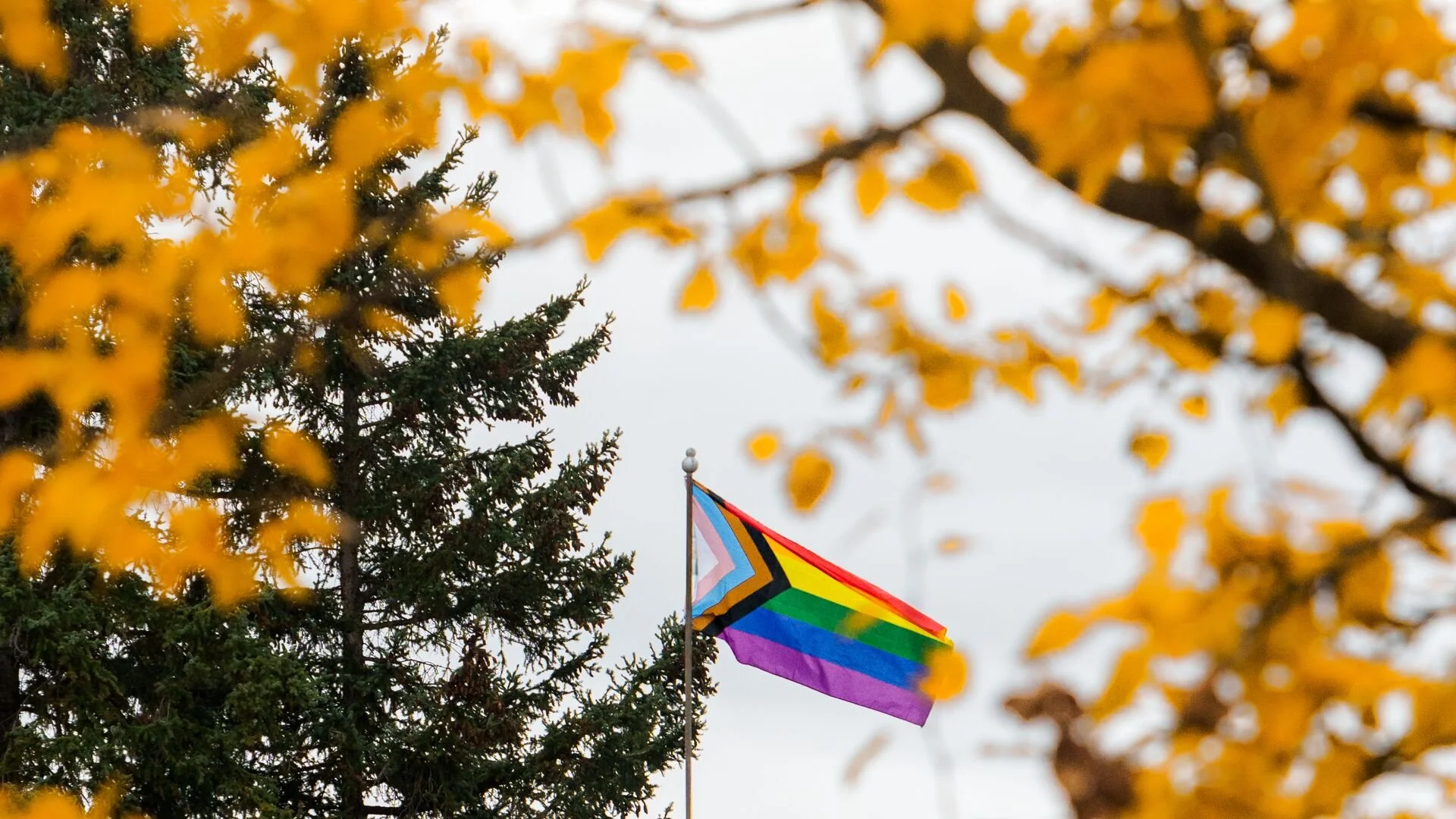
Inclusive tourism marketing goes beyond placing a Pride flag in promotional materials. Travellers often look for signs that businesses demonstrate genuine inclusion through their actions and workplace practices.

Supporting Inclusive
Tourism Beyond Pride Season
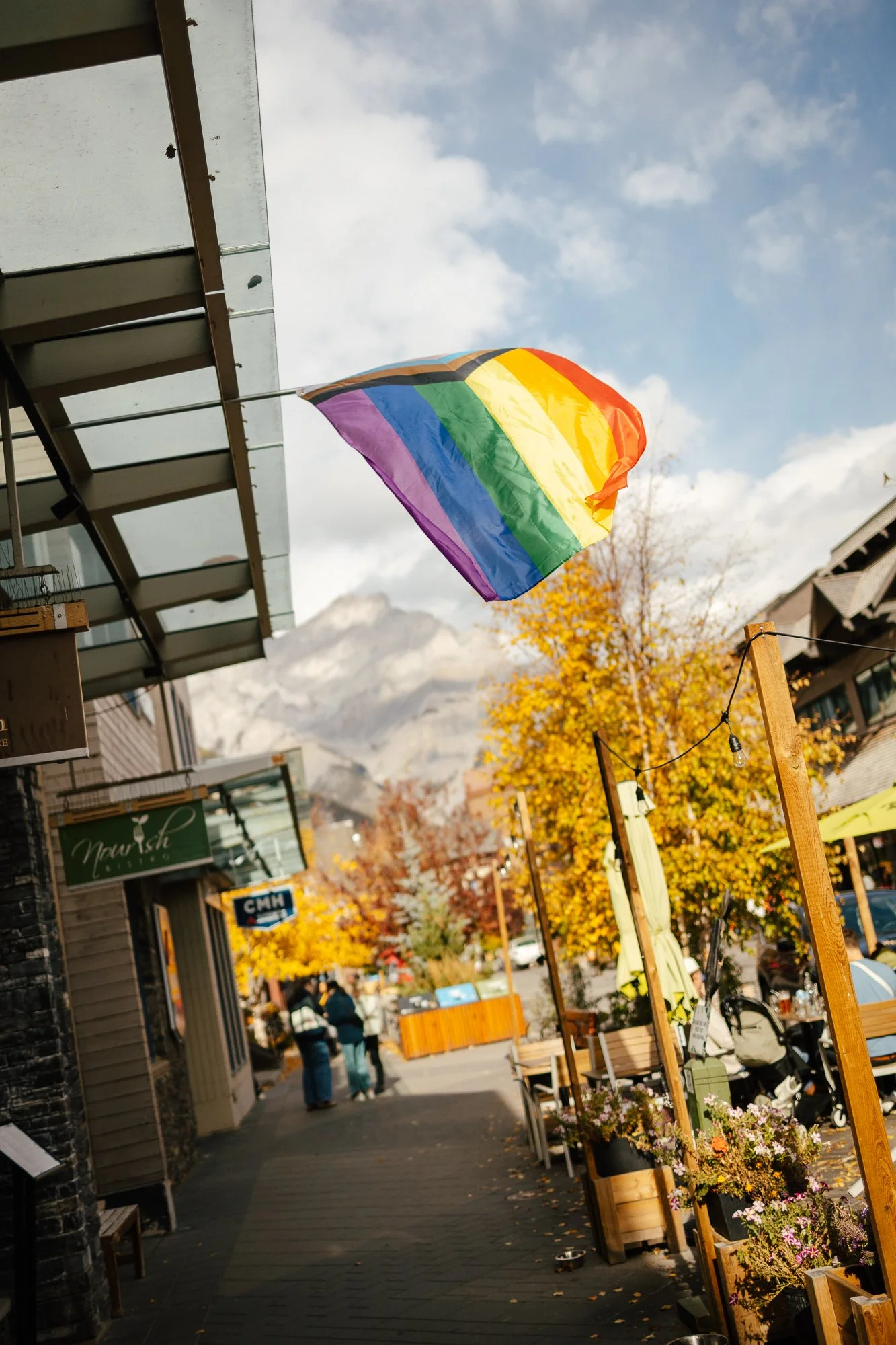
Pride events create visibility. But a destination's reputation for inclusion is built in the other eleven months of the year. The businesses, tour operators, and venues that earn long-term trust from 2SLGBTQIA+ travellers are those that demonstrate consistent commitment.
This includes how event spaces handle inclusion, how operators position themselves within destination strategy, and how individual businesses move from being bystanders to active advocates within the tourism community.
Travellers visit Banff and Canmore throughout the year for outdoor recreation, cultural events, and seasonal experiences. Ensuring that hospitality environments remain welcoming year-round helps visitors feel confident returning to the destination in future seasons.
Inclusive tourism practices become most meaningful when they are integrated into everyday operations. Policies, staff training, and guest communication should consistently reflect a commitment to welcoming all travellers.
By embedding inclusive practices into daily hospitality operations, tourism businesses help strengthen the Bow Valley’s reputation as a destination where everyone can feel comfortable exploring the region.
To better understand how inclusive practices contribute to sustainable tourism, explore our article on how inclusive tourism strengthens year-round visitor economies. For year-round strategy, read Pride Is Not Just a Weekend: How Tourism Destinations Sustain Inclusion Year-Round . For operators in event and venue roles, Creating Inclusive Event Spaces in Banff provides a practical checklist. For the leadership perspective, see From Ally to Advocate: Empowering Canadian Tourism Operators and Activating the Vision: How 2SLGBTQIA+ Inclusion Is Key to Leading Tourism for Good .
Inclusive Tourism Guides
for Bow Valley Businesses
Tourism businesses often look for practical guidance when improving their guest experience. The Bow Valley Pride Network publishes resources that help hospitality providers implement inclusive practices across their operations.
These guides explore topics such as:
• improving the guest journey for queer travellers
• updating your Google Business Profile for inclusive tourism
• inclusive workplace practices for hospitality teams
• how inclusive tourism supports off-season travel
The resources below cover every stage of building inclusive tourism practice, from your first staff training session to your long-term destination strategy.







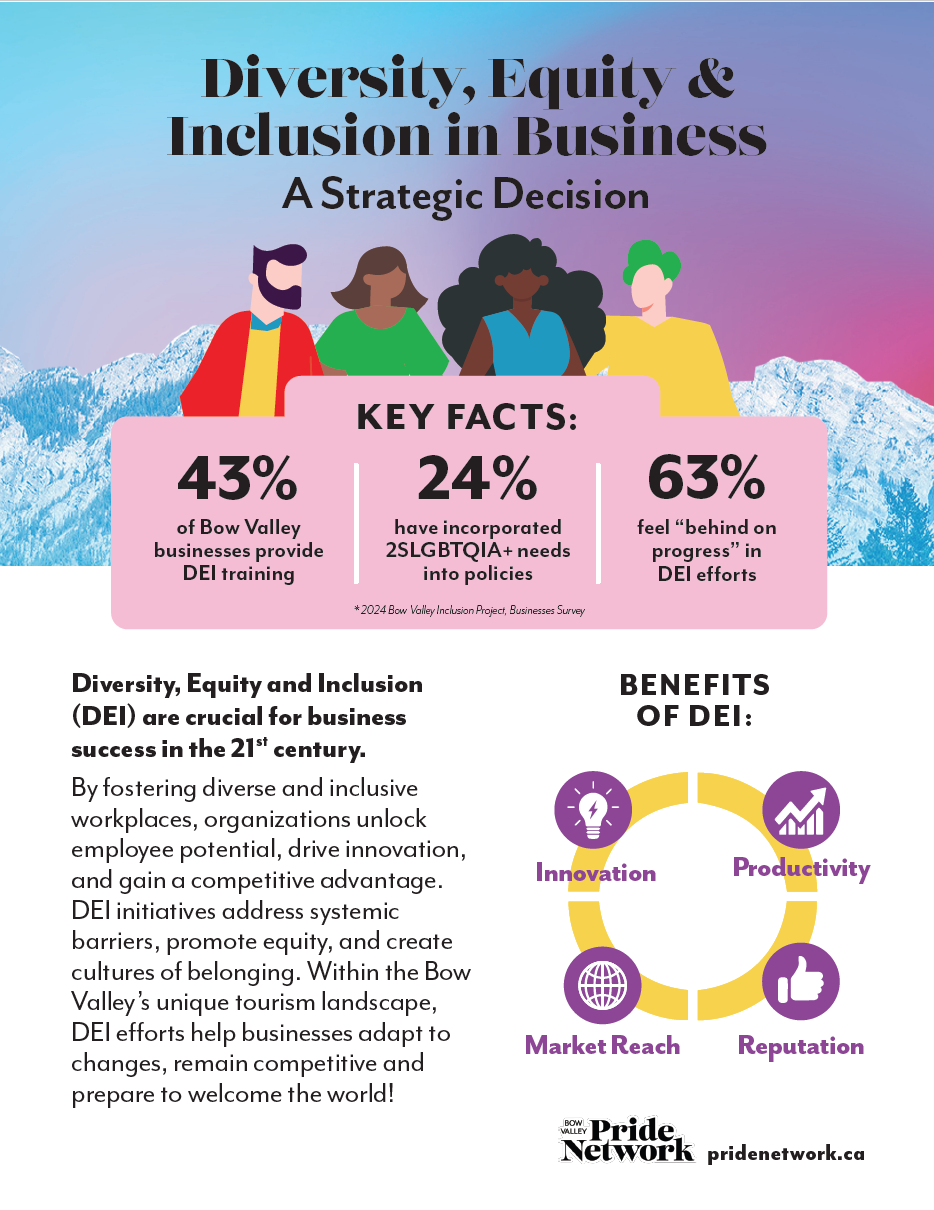
How the Bow Valley Pride Network Supports Tourism Businesses
The Bow Valley Pride Network works with businesses, tourism organizations, and community partners to strengthen inclusive environments across Banff, Canmore, and the Bow Valley.
Through workshops, resources, and collaborative initiatives, the Network helps tourism providers develop practical strategies that support welcoming experiences for visitors and employees.
Businesses that join the Bow Valley Pride Network commit to strengthening inclusive practices within their workplaces while contributing to a more welcoming regional tourism community.
Membership provides access to training, resources, and opportunities to connect with other organizations working to build inclusive tourism experiences in the Bow Valley.
Learn more about joining the Bow Valley Pride Network or explore our directory of inclusive businesses in the Bow Valley.

Building a More
Inclusive Tourism Community
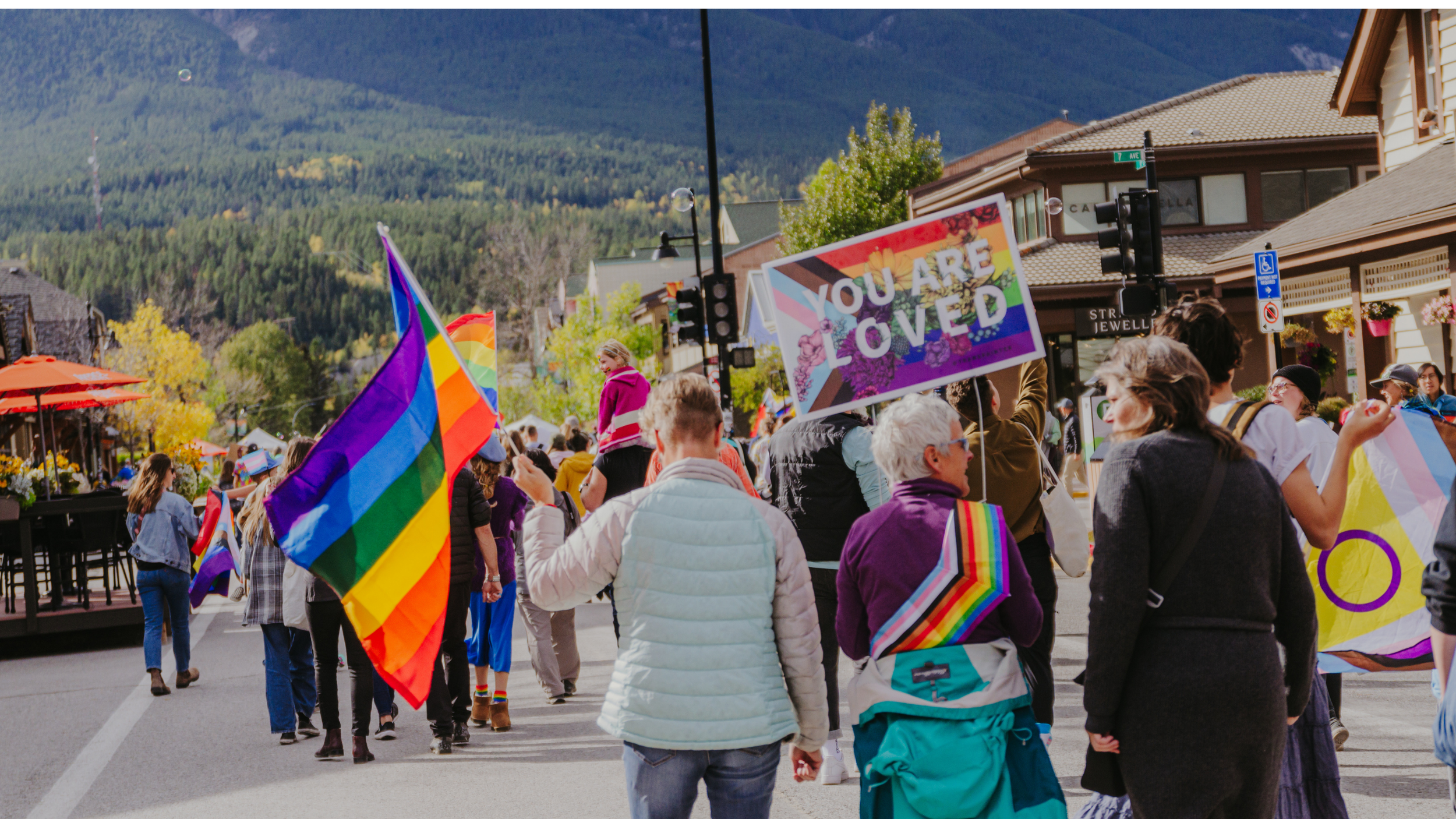
Tourism businesses across Banff, Canmore, and the Bow Valley play an important role in creating welcoming travel experiences.
By strengthening inclusive hospitality practices, businesses help ensure that visitors feel respected, safe, and valued throughout their time in the region.
Explore our inclusive tourism resources for Bow Valley businesses or consider joining the Bow Valley Pride Network to help support inclusive tourism across the region.
Frequently Asked Questions
About Inclusive Tourism in Alberta
-
Inclusive tourism refers to travel experiences that are welcoming and accessible to people of all identities and backgrounds. For 2SLGBTQIA+ travellers, inclusive tourism often includes respectful guest interactions, inclusive policies, and visible signals that businesses support diverse visitors.
Tourism operators can support inclusive tourism by reviewing guest communication practices, providing staff training, and ensuring workplace policies reflect respect and non-discrimination. Destinations that prioritize inclusive tourism help travellers feel comfortable exploring new places while strengthening their reputation as welcoming communities.
-
For a small tourism business in Banff or Canmore, inclusive tourism means ensuring your guest experience, staff training, and marketing practices make 2SLGBTQIA+ travellers feel genuinely welcome. It does not require large budgets or major operational changes to start. It begins with staff awareness, respectful language, and honest communication about what your business offers.
-
2SLGBTQIA+ travellers tend to travel year-round and actively seek destinations with credible inclusion signals. In a seasonal mountain economy, this market segment is particularly relevant for shoulder and off-season periods. Building a reputation for genuine welcome supports the kind of repeat visitation and word-of-mouth referral that sustains businesses outside peak season.
-
Banff and Canmore welcome visitors from around the world. For many travellers, particularly those from the 2SLGBTQIA+ community, choosing a destination involves researching whether a place feels safe and welcoming.
Inclusive tourism helps ensure visitors feel respected during their stay while also strengthening the region’s reputation as an inclusive destination. Tourism businesses that demonstrate inclusive hospitality practices contribute to a positive visitor experience and support a destination culture that values diversity and respect.
-
Pride marketing is typically a campaign that runs during a specific time of year. Inclusive tourism is an ongoing operational commitment that shapes how your team interacts with guests, how you write your listings, and how you handle complaints or difficult moments. The two can coexist, but inclusive tourism does not depend on Pride season.
-
Tourism businesses can support inclusive environments through several practical steps. These may include training staff on inclusive guest interactions, reviewing booking systems to remove unnecessary gender assumptions, and ensuring workplace policies support respectful communication.
Businesses may also review marketing language, signage, and guest communication practices to ensure they welcome diverse travellers. Many tourism providers find that small adjustments to everyday operations can significantly improve how guests experience their hospitality environment.
-
LGBTQ-inclusive hospitality refers to business practices that ensure guests of diverse sexual orientations and gender identities feel respected and welcomed. This can include staff training, inclusive language in guest interactions, visible policies supporting non-discrimination, and marketing that reflects diverse travellers.
Inclusive hospitality practices help create environments where all guests feel comfortable accessing services and participating in tourism experiences.
-
A tourism business is considered LGBTQ inclusive when its commitment to welcoming diverse guests is reflected in everyday operations rather than only in marketing materials.
Authentic inclusion typically involves several elements:
• staff trained to communicate respectfully with guests of all identities
• workplace policies that clearly prohibit discrimination
• marketing language that avoids assumptions about gender or relationships
• visible support for inclusive community initiatives
• leadership commitment to maintaining welcoming environmentsTravellers often look for signals that inclusion is genuine rather than seasonal or symbolic. Businesses that demonstrate consistent inclusive practices help create destinations where visitors feel comfortable exploring, dining, and staying.
-
Tourism destinations can become more inclusive for 2SLGBTQIA+ travellers by combining community initiatives, business practices, and public policies that support welcoming environments.
Key steps often include:
• encouraging tourism businesses to adopt inclusive hospitality practices
• providing staff training for hotels, restaurants, and visitor services
• promoting community events that celebrate diversity
• ensuring clear non-discrimination protections for visitors
• supporting partnerships between tourism organizations and community groupsDestinations that prioritize inclusive tourism often build stronger visitor trust and attract travellers seeking welcoming travel experiences. Regional initiatives such as the Bow Valley Pride Network help tourism businesses in Banff and Canmore develop practical strategies that support inclusive hospitality across the visitor experience.
-
Inclusive tourism practices help ensure that travellers of all identities feel respected and comfortable throughout their travel experience. For hospitality businesses, inclusive tourism often involves reviewing everyday operations and guest interactions.
Examples of inclusive tourism practices include:
• training staff to use respectful and inclusive language with guests
• ensuring booking systems do not require unnecessary gender information
• using inclusive language in websites and marketing materials
• establishing clear non-discrimination policies for guests and employees
• participating in community initiatives that support diverse visitorsEven small operational adjustments can significantly improve how travellers experience a destination. Businesses interested in strengthening inclusive hospitality can explore resources from the Bow Valley Pride Network and other tourism organizations focused on inclusive guest experiences.
-
Rainbow Registered is a Canadian accreditation standard administered by the CGLCC. It recognizes businesses that meet defined criteria for 2SLGBTQIA+-inclusive practices. Alberta tourism operators can apply for accreditation, which gives their business visibility in a directory used by queer travellers and provides third-party validation of their inclusion efforts.
-
Under the Alberta Human Rights Act, businesses cannot discriminate against customers or employees based on sexual orientation, gender identity, or gender expression, among other protected grounds. This applies to hospitality businesses of all sizes. The Hospitality Human Rights Playbook → provides a plain-language overview for Alberta operators.
-
A practical first step is completing the Bow Valley Inclusive Business Checklist to assess your current baseline. From there, staff training is usually the highest-impact early investment. The Bow Valley Pride Network offers DEI workshops designed specifically for tourism operators in Banff, Canmore, and across Alberta.
-
Banff and the surrounding Bow Valley are widely recognized as welcoming destinations for 2SLGBTQIA+ visitors. Canada’s human rights protections support equality and non-discrimination, and many tourism businesses in the region actively promote inclusive hospitality.
Events such as Banff Pride Festival and community initiatives like the Bow Valley Pride Network demonstrate the region’s ongoing commitment to inclusion. Visitors researching travel to the area can explore resources such as our guide to LGBTQ travel in Banff and the Canadian Rockies for more information about local experiences and community initiatives.
-
Canmore is known for its welcoming community and vibrant tourism culture. Many local businesses support inclusive practices and participate in initiatives that promote diversity and inclusion.
Visitors to Canmore will find a range of restaurants, outdoor experiences, and accommodations that welcome diverse travellers. Community events, arts programming, and regional tourism partnerships also contribute to a welcoming environment for visitors from a wide range of backgrounds.
-
Canada is widely considered one of the more welcoming countries for 2SLGBTQIA+ travellers. Federal and provincial human rights laws protect individuals from discrimination based on sexual orientation and gender identity.
Major cities and tourism destinations across Canada actively promote inclusive environments, and Pride celebrations occur throughout the country. While experiences can vary anywhere in the world, many travellers report feeling comfortable visiting Canada’s tourism destinations, including the Canadian Rockies.
-
Inclusive booking systems avoid unnecessary assumptions about gender or identity. Businesses can review reservation forms to ensure guests are not required to select gendered titles if they are not needed.
Some systems allow travellers to provide their preferred name or specify how they wish to be addressed during their stay. Reviewing confirmation emails, automated messages, and booking forms can help ensure communication feels welcoming and respectful to all guests.
-
Travellers often look for signals that a business demonstrates authentic inclusion. These signals may include inclusive language on websites, diverse representation in marketing imagery, visible participation in community initiatives, and staff who communicate respectfully with guests.
Certifications, partnerships, and community programs can also help businesses communicate their commitment to inclusion. Tourism providers that consistently demonstrate inclusive practices often build strong trust with travellers researching destinations online.
Key Terms
in Inclusive
Tourism
Understanding the language around inclusive tourism helps operators communicate clearly and build credible practice.
Inclusive Tourism
Inclusive tourism refers to the deliberate effort by travel businesses and destinations to create conditions where all guests, including those from 2SLGBTQIA+ communities, can travel safely and experience genuine hospitality. It involves training, policy, marketing, and physical space design. It is distinct from token gestures or seasonal messaging.
Rainbow Washing
Rainbow washing is the practice of displaying 2SLGBTQIA+ symbols or running Pride-adjacent marketing without meaningful changes to internal practices, staff training, or guest policies. It is recognized by experienced 2SLGBTQIA+ travellers and can damage a business's credibility within these communities.
Microaggression
A microaggression is a brief, often unintentional action, comment, or environmental signal that communicates a negative or dismissive message to a person from a marginalized community. In hospitality contexts, microaggressions can occur through language, room assignment practices, assumptions about relationships, or inattentive service. Staff training addresses how to recognize and avoid them.
KEY STATS
90%
of 2SLGBTQI+ travelers are actively seeking domestic travel within Canada
1 in 20
Canadians
Approximately 1.3 million Canadians identify as 2SLGBTQ+
60%
of LGBTQ+ respondents planned to travel two or more times in 2024
$200
Billion
estimated annual global LGBTQ+ travel market
About the
Bow Valley Pride Network
The Bow Valley Pride Network works with businesses in Banff, Canmore, and across Alberta to strengthen inclusive tourism and workplace inclusion in small mountain communities. Through practical training and grounded guidance, we help operators build safer guest experiences and stronger teams.
Explore our insights on inclusive tourism in Banff and Alberta and workplace inclusion in small tourism communities to deepen your understanding.
Take the Next Step
Mountain economies move fast. Inclusion should keep pace.